🇹🇷 Türkçe | Avuç İçi Dalgalarda Toplanan Ev: Cep Radyosunun Sessiz Coşkusu
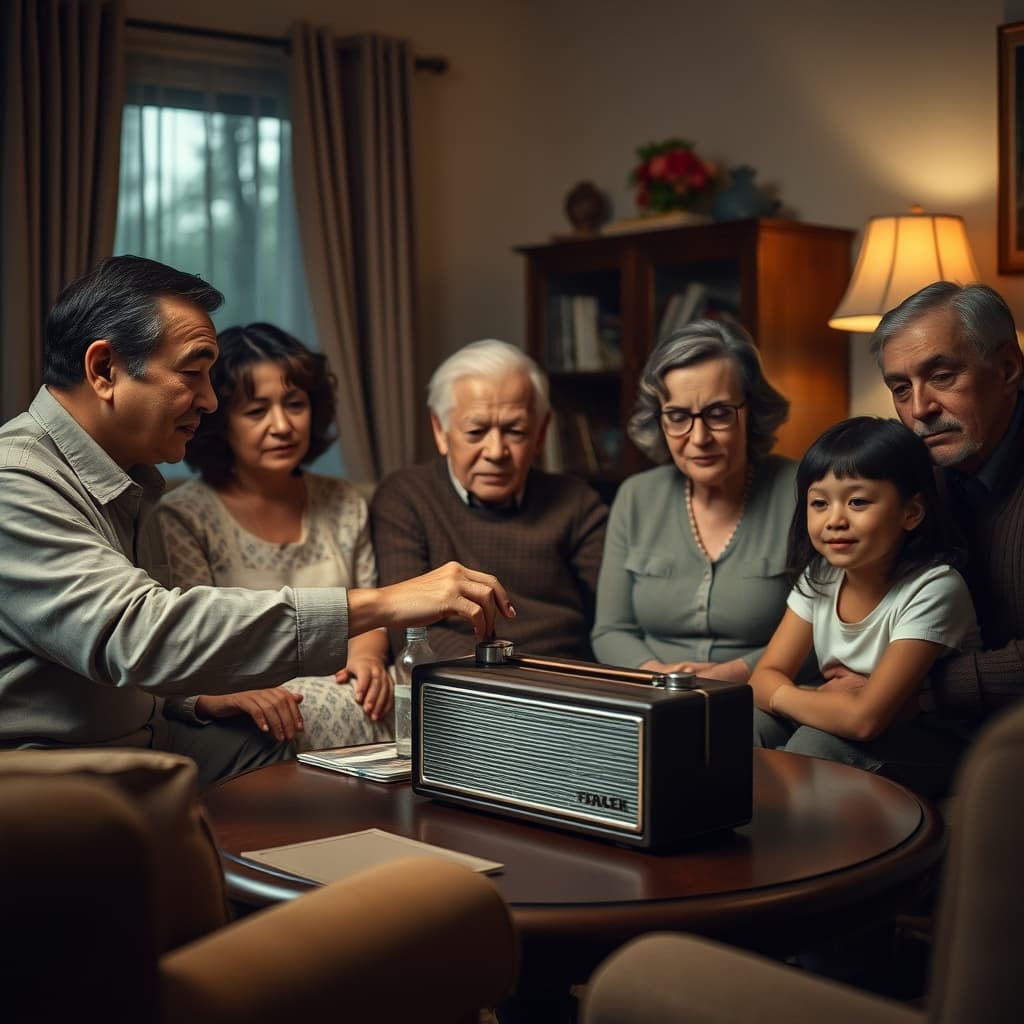
Eski evlerde akşamın belirli bir saatinde salonun havası değişirdi. Masanın üstüne bırakılan küçük bir cep radyosu, bir anda bütün aileyi aynı merkeze toplardı. Cihazın boyutu küçüktü ama etkisi büyüktü; çünkü o küçük gövde, uzak şehirlerden haber, türkü, maç anlatımı ve anons taşıyan bir pencereydi. Radyonun açma düğmesine basıldığında önce hafif bir cızırtı gelir, sonra frekans netleşirken odadaki herkesin dikkati aynı noktaya kilitlenirdi. O an, evin günlük telaşını kısa süreliğine askıya alan ortak bir merak anıydı.
Cep radyosunun unutulmayan heyecanı biraz da bu bekleme ritminden doğdu. Bugünün tek tıkla açılan dijital içeriklerinden farklı olarak burada her ses emekle bulunurdu. Anteni hafifçe uzatmak, cihazı pencereye yaklaştırmak, düğmeyi milim milim çevirmek gerekirdi. Bir kişi ayar yaparken diğerleri “şimdi daha iyi”, “biraz geri” diye yön verir, böylece teknik işlem aile içi işbirliğine dönüşürdü. Bu küçük ortak çaba, dinleme deneyimini pasif tüketim olmaktan çıkarıp paylaşılan bir üretime dönüştürürdü.
Salonun ortasında toplanan aile sahnesi, analog çağın kültürel omurgalarından biriydi. Anne örgüsünü örerken kulağını yayına verir, baba günün yorgunluğunu sandalyesine bırakıp haber bültenini takip eder, çocuklar hem ders defterine bakar hem programın açılış müziğini ezberlerdi. Kimi akşamlar komşu kapıyı tıklatır, “maç başladı mı?” diye sorar; iki evin heyecanı tek bir radyoda birleşirdi. Bu yüzden cep radyosu bireysel değil kolektif bir cihaz olarak hatırlandı. O cihazın sesi, duvarları aşan bir mahalle frekansı üretirdi.
Teknoloji mirası açısından cep radyosu, taşınabilirliğin ilk duygusal sembollerinden biriydi. Büyük salon radyolarının aksine elde taşınabilir olması, sesi evin farklı köşelerine taşıdı. Mutfakta yemek karıştırırken, balkonda çamaşır asarken, çocuk odasında ödev yapılırken aynı yayın sürerdi. Bu hareketlilik, ev içinde görünmez bir ses köprüsü kurdu. Bugün çok odalı dijital yaşamda herkes ayrı ekrana çekilirken, o dönemin küçük radyosu aileyi aynı hikâye içinde tutabilen nadir araçlardan biriydi.
Cep radyosunun heyecanı yalnız içerikten değil belirsizlikten de beslenirdi. Hangi şarkının çıkacağı, hangi şehirden istek geleceği, spikerin ne anons edeceği tam bilinmezdi. Sürpriz unsuru, dikkat seviyesini yüksek tutardı. İnsanlar programı atlamamak için saat kurar, yayın saati gelince günlük işi kısa süreliğine yavaşlatırdı. Bu alışkanlık, zaman yönetimini bile kültürel bir pratik haline getirdi: “Radyo saati” denince herkesin zihninde aynı akşam dilimi canlanırdı.
Mahalle tamircileri de bu teknolojik hafızanın önemli aktörleriydi. Pili zayıflayan, hoparlörü boğuklaşan ya da düğmesi sertleşen cep radyosu hemen çöpe gitmezdi. Esnaf pasajındaki radyo ustası kapağı açar, lehim tazeler, anten bağlantısını düzeltir ve cihazı yeniden hayata döndürürdü. Onarım kültürü sayesinde cihaz ömrü uzar, aileyle kurduğu bağ derinleşirdi. Bir eşyanın tamir edilmesi, ona duyulan saygının da ifadesiydi; bu saygı analog çağın en karakteristik değerlerinden biriydi.
Bugün cep radyosunu hatırlarken insanlar sadece bir cihazı değil, bir dinleme ahlakını da anımsıyor. Sessizce aynı yayına kulak verme, araya girmeden bekleme, şarkı bittiğinde birlikte yorum yapma, haberi birlikte tartışma gibi pratikler toplu dikkat kültürü üretiyordu. Nostalji burada teknoloji geriliğine özlem değil; teknolojinin insanları aynı odada, aynı frekansta, aynı duyguda buluşturabildiği bir döneme duyulan özlemdir. Bu yüzden cep radyosu, analog çağın unutulmayan heyecanını bugün bile güçlü biçimde anlatmaya devam ediyor.
🇬🇧 English | A Home Gathered Around Palm-Sized Waves: The Quiet Excitement of Pocket Radio
At a certain hour in old homes, the mood of the living room changed. A small pocket radio placed on the table could gather the whole family around one center. The device was tiny, but its effect was large, because that little body opened a window carrying news, songs, match commentary, and voices from distant cities. When the power button was pressed, static came first; then, as the frequency sharpened, everyone’s attention locked onto the same point. It briefly suspended daily chaos and created shared curiosity.
Part of the unforgettable excitement came from this waiting rhythm. Unlike today’s instant digital playback, every clear sound required effort. You extended the antenna, moved closer to the window, tuned the dial millimeter by millimeter. While one person adjusted, others guided: “better now,” “a little back.” A technical action became family collaboration. This small collective labor transformed listening from passive consumption into a shared act of production.
The scene of family members gathering in the living room formed one of the analog era’s cultural backbones. A mother knitted while listening, a father followed evening news after work, children kept one ear on homework and one on the opening jingle. Some nights a neighbor knocked and asked, “has the match started?” and the excitement of two homes merged around one radio. That is why pocket radio is remembered not as an individual gadget but as a communal device. Its sound spilled through windows and became neighborhood frequency.
As technological heritage, pocket radio was one of the first emotional symbols of portability. Unlike larger cabinet radios, it moved with the listener. The same broadcast could follow household life from kitchen to balcony to children’s room. This mobility built an invisible sonic bridge across domestic space. In today’s multi-screen routines where each person retreats to separate feeds, that small radio represented an era when one device could still keep a family inside the same narrative.
Its thrill was fed not only by content but by uncertainty. Nobody knew exactly which song would play next, which city would send a request, or what surprise an announcer might deliver. This unpredictability held attention. People set schedules around broadcasts and slowed daily tasks when program time arrived. Even time management became cultural practice: when someone said “radio hour,” everyone recognized the same evening slot.
Neighborhood repair culture was another key actor in this memory. If batteries weakened, speaker sound dulled, or the dial stiffened, the radio was not discarded immediately. A local technician opened the case, refreshed solder points, fixed antenna contact, and returned it to life. Repair extended the object’s lifespan and deepened emotional attachment. Keeping a device alive was also a way of showing respect for use and craft, a defining value of the analog period.
When people remember pocket radio today, they recall not only hardware but an ethic of listening: paying attention together, waiting without interruption, commenting after songs, discussing news side by side. Nostalgia here is not longing for technological limits; it is longing for a moment when technology could gather people in one room, on one frequency, in one shared emotional field. That is why the pocket radio still tells the unforgettable excitement of the analog age.
🇧🇷 Português (Brasil) | Uma Casa Reunida em Ondas de Bolso: A Emoção Silenciosa do Rádio de Bolso
Em muitas casas antigas, a sala mudava de clima em um horário preciso da noite. Um pequeno rádio de bolso colocado sobre a mesa era suficiente para reunir toda a família em torno de um mesmo ponto. O aparelho era pequeno, mas o efeito era enorme, porque aquela caixa discreta trazia notícias, músicas, narração esportiva e vozes de cidades distantes. Ao ligar, vinha primeiro o chiado; depois, com a sintonia ajustada, a atenção de todos se alinhava no mesmo foco. Era um intervalo de curiosidade compartilhada no meio da rotina.
A emoção inesquecível vinha também desse ritmo de espera. Diferente do consumo digital instantâneo de hoje, ali cada som limpo exigia cuidado. Esticar a antena, aproximar da janela, girar o dial milímetro por milímetro. Enquanto alguém ajustava, os outros orientavam: “agora melhorou”, “volta um pouco”. Um gesto técnico virava cooperação familiar. Esse esforço pequeno, feito em conjunto, transformava a escuta em experiência ativa e coletiva.
A cena da família reunida na sala era parte da espinha cultural da era analógica. A mãe tricotava ouvindo o programa, o pai acompanhava o noticiário depois do trabalho, as crianças alternavam caderno e música de abertura. Em algumas noites, o vizinho batia na porta para perguntar do jogo, e a expectativa de duas casas se juntava em um único aparelho. Por isso, o rádio de bolso ficou na memória menos como objeto individual e mais como dispositivo comunitário. O som atravessava as janelas e virava frequência de bairro.
Como herança tecnológica, o rádio de bolso foi um dos primeiros símbolos afetivos da portabilidade. Diferente dos rádios grandes de móvel, ele circulava com as pessoas. O mesmo programa seguia a vida doméstica da cozinha à varanda, da sala ao quarto de estudo. Essa mobilidade criou uma ponte sonora invisível dentro da casa. Hoje, com telas separadas e rotinas fragmentadas, aquele rádio pequeno lembra um tempo em que um só aparelho conseguia manter todos dentro da mesma história.
Sua força não vinha só do conteúdo, mas da incerteza. Ninguém sabia exatamente qual música viria, de qual cidade chegaria um recado ou que surpresa o locutor anunciaria. Esse fator mantinha a atenção acesa. Famílias ajustavam horários para não perder o programa e desaceleravam tarefas quando a transmissão começava. Até a organização do tempo virava prática cultural: “hora do rádio” era uma faixa comum na memória de todos.
A cultura do conserto também sustentou essa herança. Quando a pilha enfraquecia, o alto-falante ficava abafado ou o botão endurecia, o aparelho não era descartado. O técnico do bairro abria o rádio, refazia solda, ajustava contato da antena e devolvia a voz ao dispositivo. O reparo alongava a vida útil e fortalecia o vínculo afetivo. Cuidar do objeto era também respeitar trabalho e uso, valor central da época analógica.
Ao lembrar do rádio de bolso hoje, as pessoas lembram também de uma ética da escuta: ouvir juntos, esperar sem interromper, comentar músicas em conjunto, discutir notícias lado a lado. A nostalgia aqui não é saudade da limitação técnica; é saudade de quando a tecnologia ainda conseguia colocar pessoas na mesma sala, na mesma frequência e no mesmo campo emocional. Por isso o rádio de bolso continua contando, com força, a emoção inesquecível da era analógica.