Eski Pano
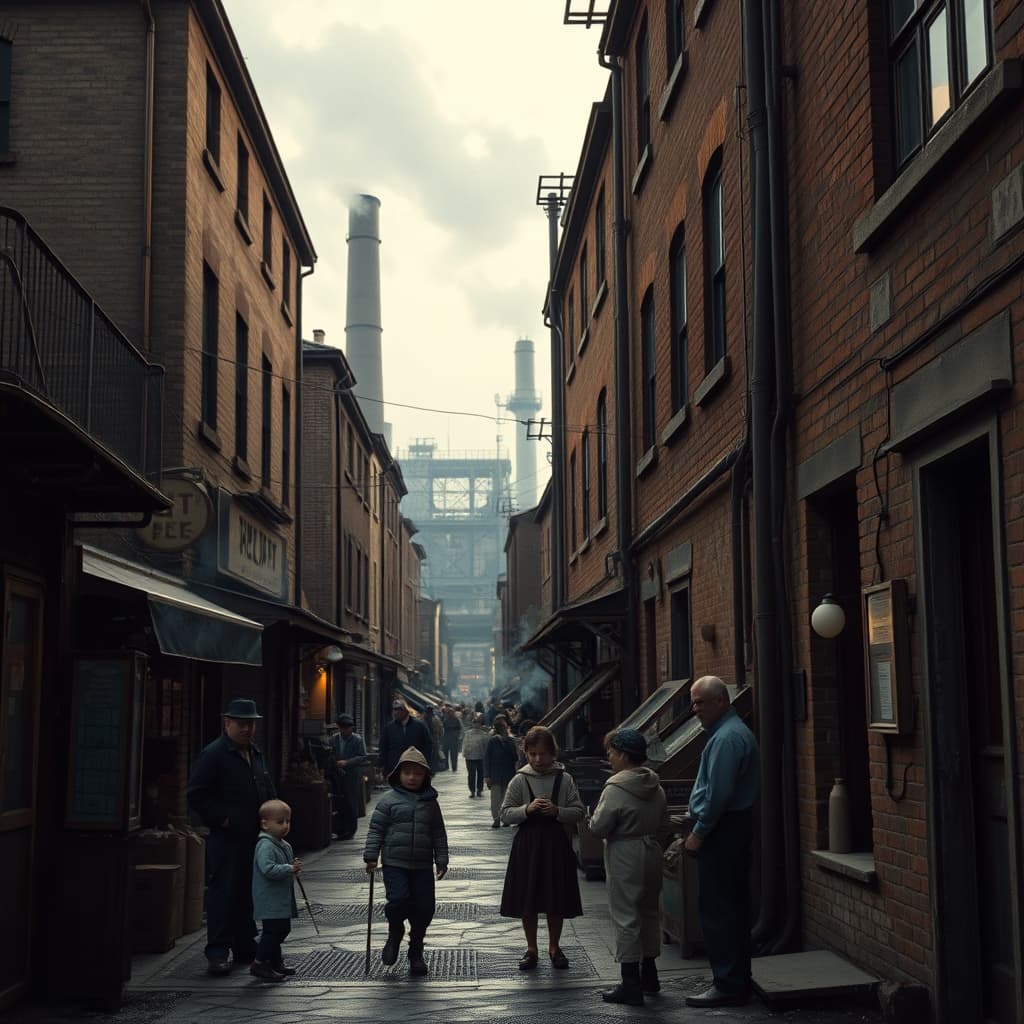
In old industrial quarters, the day began with sound before it began with light. The factory whistle rose while the sky was still gray, hit narrow walls, and spread through the whole district. Curtains moved, kettles started to boil, hurried footsteps appeared at doorways. The whistle was not only a call to work; it was the neighborhood’s shared clock. Children prepared for school, fathers measured the coming shift, mothers arranged meals around that rhythm. Daily life aligned itself to a single acoustic signal.
One reason this routine remains so vivid in memory is the social equalizing power of sound. Everyone heard the same whistle and started different stories at the same minute. The grocer opened shutters, the simit seller arranged trays, the tailor sat at his bench. Streets became transitional corridors: night had ended, day was not yet fully assembled. That threshold taught not only discipline but mutual awareness. Who left home late, who was sick, who had traveled away was often understood silently during that morning flow.
By evening in early spring, the tempo shaped by factory whistles turned into another emotional register. Ears that had carried machine noise all day relearned slowness in cooler air. At shift end, the same streets filled with the same people, yet movement changed: morning urgency gave way to conversational calm. The smell of washed laundry from balconies, fresh greens sold on corners, and tea steam from coffeehouses met in one soft atmosphere. The first evenings of spring were therefore more than seasonal transition; they were a collective exhale.
To understand why those evenings are remembered with an ache, one must look at small details. Children played marbles by the curb while mothers called from windows. Fathers removed work aprons and exchanged brief words with neighbors at doorsteps. Metallic traces from the factory mixed with meal aromas from homes. This contrast, labor fatigue beside domestic warmth on the same street, formed a powerful emotional anchor. People remembered not only where they worked, but how they returned to belonging.
Historically, in many Turkish districts, factory whistles functioned as unofficial urban timekeeping. In years when not everyone carried a reliable watch, acoustic signals coordinated social life. School departures, market errands, bakery rushes, and coffeehouse peak hours synchronized around those cues. As technology advanced and personal clocks multiplied, this shared sound regime weakened. What people now miss is not merely old order, but the feeling of inhabiting the same timeline together.
The first spring evenings sealed that shared feeling. Days grew longer, air softened, time outdoors expanded. For children, it meant games ending later; for adults, work fatigue dissolving over tea. Radio from windows blended with calls of passing street vendors, and the district behaved like one living organism. No one named it cultural heritage then, yet that is what it was: ordinary evenings carrying deep civic knowledge of coexistence.
This is why whistle-led mornings and first spring evenings are remembered as one memory. One is the sound of necessity, the other the sound of relief. One builds order, the other shows the humane side of that order. Nostalgia here does not romanticize machinery; it recognizes a city experience where labor, neighborhood ties, and seasonal rhythm met in one fabric. The ache that survives today comes from losing that shared daily harmony.
Factory-Whistle Mornings That Set the Neighborhood Rhythm Like a Scene Never Erased from the Local Calendar: Why the First Evenings of Spring Are Still Remembered with an Ache Today