 Eski Pano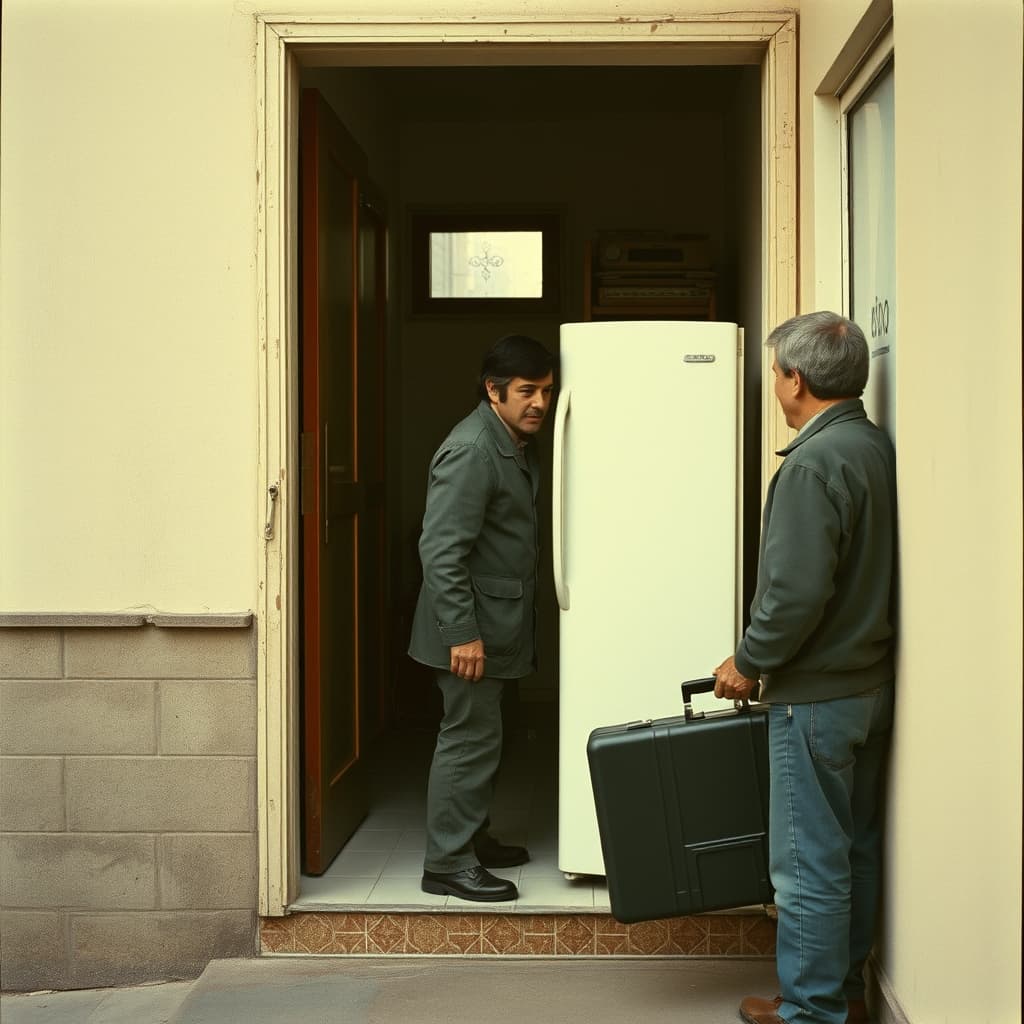
A refrigerator repair visit began before a tool touched the appliance. Someone had to contact the workshop, describe the address, arrange a time and make sure the repairer could enter the building. In apartment life, those steps could involve a caretaker, a neighbour, a shared telephone or a person listening for the door. The wait became memorable partly because it required coordination across several thresholds.
Telephone access, entrance systems and service arrangements varied by city and decade. Some households could call directly; others relied on nearby people or visited a shop. No single arrangement should stand for all older apartments. The practical question is who connected the workshop to the kitchen and what each person had to do for the visit to happen.
An Address Was More Than a Street Name
A repairer needed the correct building, entrance, floor and door. Similar names, unmarked entrances or a workshop’s unfamiliarity with the area could delay arrival. A landmark described by a resident might help, but the archive should distinguish remembered directions from a verified historical address.
These directions reveal local knowledge. A shopkeeper might know the staircase behind a passage; a caretaker might explain which entrance opened during the day. Their contribution was small but consequential. The eventual repair depended on navigation as well as technical skill.
Waiting Assigned Someone to the Door
A broad arrival window could hold one person at home. Shopping, school collection, work and cooking had to be fitted around uncertainty. Another resident might agree to receive a message or answer the bell, but that help had limits. Holding keys or admitting a worker involved trust and should never be assumed from neighbourly familiarity alone.
The burden was uneven. A person remembered as simply waiting may have rearranged paid work or care responsibilities. Oral history should ask who stayed, who left instructions and what happened if the visit was delayed. This gives waiting its actual cost without reducing the scene to friendly corridor conversation.
The Staircase Belonged to the Job
Tools and parts had to travel upstairs, sometimes without a lift. Narrow turns, poor lighting and blocked landings complicated the route. Residents could clear space and explain obstacles before arrival. Such preparation made the visit easier, while the repairer still needed appropriate equipment and safe handling practices.
Inside the flat, access to the refrigerator might require moving furniture or clearing a kitchen corner. The household could prepare the area, keep children and pets away and protect personal belongings. These ordinary actions form part of the repair history even when no component was replaced that day.
Corridor Advice Could Help or Confuse
Neighbours might offer a workshop name, report an earlier experience or describe what they thought was wrong. Recommendations helped choose a service, but several confident explanations could complicate diagnosis. The technician’s inspection, model information and observations remained necessary; a corridor theory was not a tested finding.
Private information also needed boundaries. Costs, household schedules and details visible inside the flat did not become communal property because the building helped arrange entry. A full account can recognise mutual help while recording residents’ wish for privacy and the worker’s right to concentrate.
The Visit Ended with Another Appointment or a Record
A first call might establish the fault without completing repair. A missing part, further test or decision about cost could require a return. The household then repeated the access arrangements. Keeping a receipt, service note and agreed next step reduced the uncertainty that word of mouth alone could not resolve.
Refrigeration failures can also affect food safety. The arrival appointment cannot be treated as permission to keep vulnerable food indefinitely; current guidance must determine handling. The history here concerns access and coordination, while diagnosis and food decisions each require their own evidence.
The apartment remembered the repairer because a private kitchen briefly depended on the building’s ability to organise a visit. A clear direction, answered bell, free landing and prepared corner carried the worker from street to appliance. Naming those steps preserves the practical heart of neighbourliness: people made another person’s task possible, often through actions too small to appear on the invoice.