Eski Pano
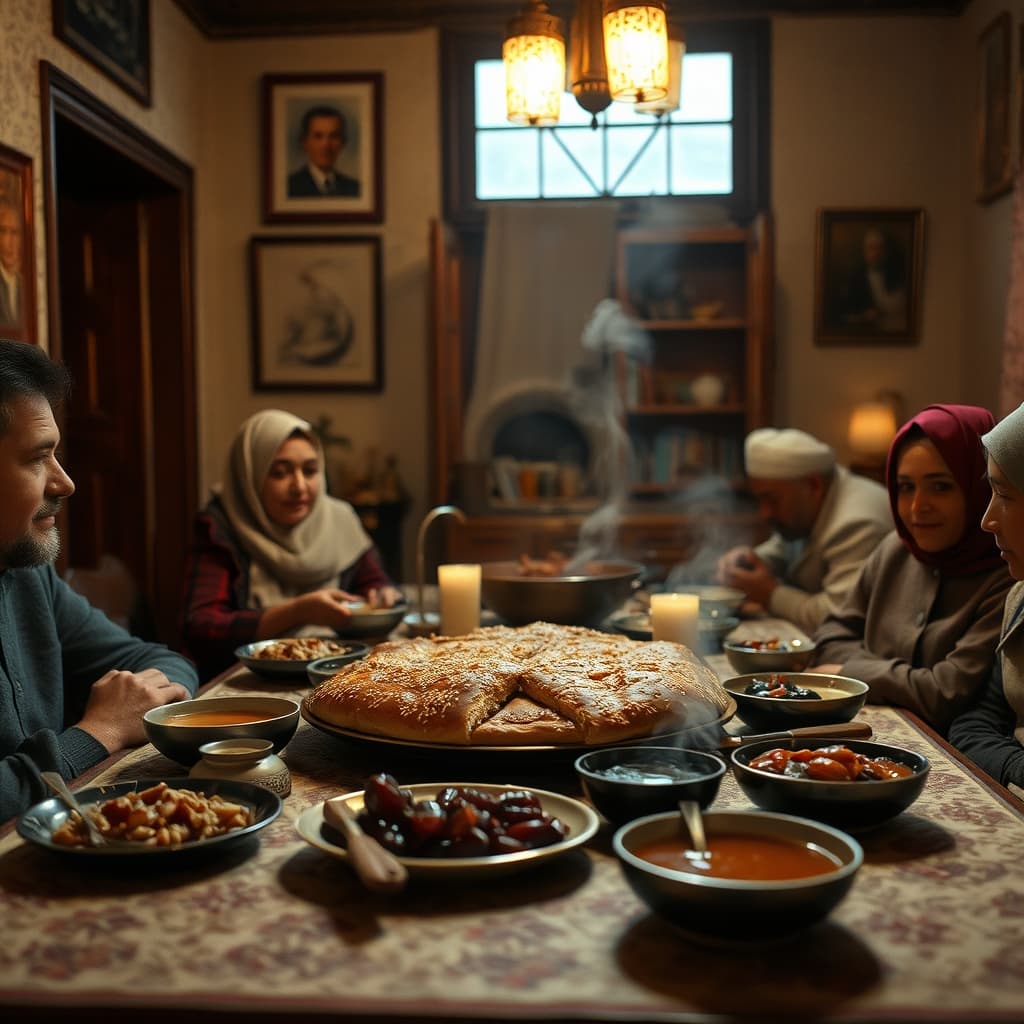
There was a time when one of the most anticipated moments of Ramadan evenings was hearing the footsteps that brought the pide to the door. Iftar was near, the soup had received its final stir, plates had been set on the table, and glasses had been filled with water. When freshly baked Ramadan pide entered the home, it was not only bread arriving at the meal; another climate entered with it as well. The roasted scent of sesame, the steam of warm dough, and the lightly smoky air of the stone oven spread from the hallway into the sitting room. Even in the languor of a holiday, that moment revived everyone at once. The smell of pide announced not only hunger, but the nearness of being together.
Seen through taste memory, the power of Ramadan pide begins with smell before flavor. In old urban life, the bond between bakery and home was strong; people knew at what hour the trays would come out, which bakery made a thinner or fuller pide, and where the sesame was laid on most generously. The line forming before the bakery prior to iftar almost became a daily gathering for the neighborhood. The pide brought home was the final link carrying that movement from outside to inside. Often children wanted to tear off a piece before anyone sat down, while elders warned them to wait for the call to prayer. The reason the smell is remembered so strongly is that it worked together with anticipation.
The way that scent filled the whole house also has to do with the life of older homes. Doors were not shut tightly, sounds and aromas moved freely between kitchen and sitting room, and the preparations for iftar spread into every corner. Dates were arranged on one side, gullac was left to rest on another, water for tea waited elsewhere, and the warmth of the pide gathered that domestic order around a single center. When the Ramadan bread was placed on the table, family members came closer not only to the same meal, but also to the same scent. That is why the memory is passed from tongue to tongue: even if different dishes were cooked in each home, the smell of pide established a common Ramadan language.
It is also meaningful that this moment remained special in the languor of holiday time. During summer Ramadans the days could be long, the body heavy, the streets quieter, yet bread from the oven dispersed that weariness at once. The warmth that lightly greased the paper bag on the walk home, the steam rising when it was placed on the table, and the softness inside the first torn piece all separated iftar from an ordinary meal. Sending a portion to a neighbor, eating what remained at sahur, or remembering the bread on purpose the next day strengthened its place at the table. For that reason, what remains in memory is not only its taste, but the state of sharing built around it.
Today many things are prepared more quickly, scents disperse faster, and meals may end sooner. Yet if the first thing many people think of when Ramadan pide is mentioned is its smell, the reason is that it occupies a deep place in taste memory. Freshly baked pide once gathered a family around the same table, the same expectation, and the same joy. That is why those evenings when the whole house filled with one scent are not only nostalgic; they are also vivid witnesses to shared time, the neighborhood bakery, and the etiquette of Ramadan. The memory passed from one mouth to another lives exactly there.
When Freshly Baked Ramadan Pide Reached the Table, Why Did the Whole House Fill with the Same Scent, Like a Memory Passed from Tongue to Tongue in the Languor of a Holiday