 Eski Pano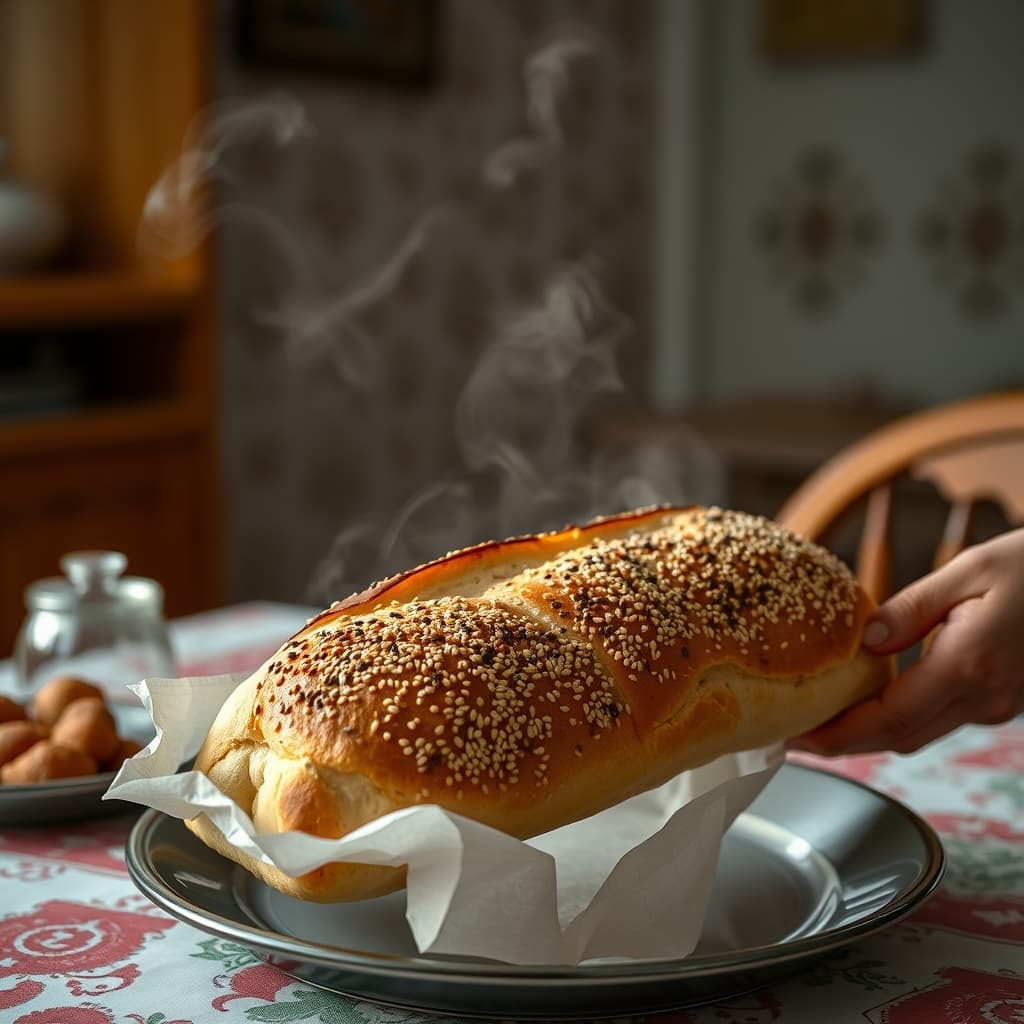
Fresh Ramadan pide announced its arrival before the bag was opened. Warm dough, toasted sesame or nigella seeds and the deeper scent of the oven moved through the hallway as the bread was carried toward the table. In a house waiting for iftar, the aroma met other preparations already under way: soup resting on the stove, water poured into glasses and plates arranged but not yet touched. The bread did not create the meal alone, yet it could give the final minutes a single recognisable atmosphere.
The effect began at the bakery. Pide required dough preparation, shaping, marking and baking in repeated batches timed for strong demand. Regional and bakery practices differ, including surface patterns, seed mixtures, thickness and texture. It would be misleading to declare one version the only authentic form. Across those variations, freshness remained central. The customer wanted a loaf that had left the oven close enough to serving time to retain heat, aroma and a tender interior.
The Bakery Queue Was Part Of The Timing
Waiting for pide involved calculation. Arrive too early and the bread cooled before the meal; arrive too late and the queue, a sold-out batch or the call to iftar created pressure. Customers watched trays move, estimated how many loaves remained and protected their place while the next batch baked. The queue could encourage conversation, but it also demanded patience from people who were fasting, working or responsible for several household tasks.
Bakery labour intensified behind the counter. Dough had to be handled consistently while heat, flour, trays and customer flow were managed safely. The visible moment when bread emerged from the oven rested on preparation begun much earlier. Remembering only the pleasant smell would erase the bakers, assistants and sellers whose concentrated work placed warm loaves into many homes within a narrow period.
Carrying The Loaf Preserved Its Character
The journey home mattered. A tightly sealed plastic bag could trap steam and soften the crust, while an open paper wrap released aroma into the street but offered less protection. Families developed preferences about how to carry and rest the bread. At home, someone might loosen the covering, place the loaf under a clean cloth or wait until the last moment to divide it. Tearing by hand released steam and exposed the soft crumb, making texture part of the shared opening of the meal.
Pide accompanied many foods rather than replacing their regional and household variety. It could absorb soup, gather a small portion from a plate or be shared from the centre. The first piece carried appetite sharpened by waiting, but also etiquette: who began, how portions were passed and how unnecessary waste was avoided. Leftovers could be stored and reused according to household practice, reminding us that even a ceremonial bread remained part of domestic economy.
Commercial production, changing ovens and delivery options have altered the route, while bakery queues and fresh pide continue to define Ramadan in many places. Its place in a Digital Nostalgia Archive should not depend on inventing a connection to a particular calendar date. The cultural memory belongs to the recurring sequence itself: the baker's batch, the careful journey, the unopened table and the instant warm bread entered the room. Aroma linked public labour to private anticipation, allowing many different households to recognise the approach of iftar through the same temporary cloud of heat, grain and toasted seeds.