 Eski Pano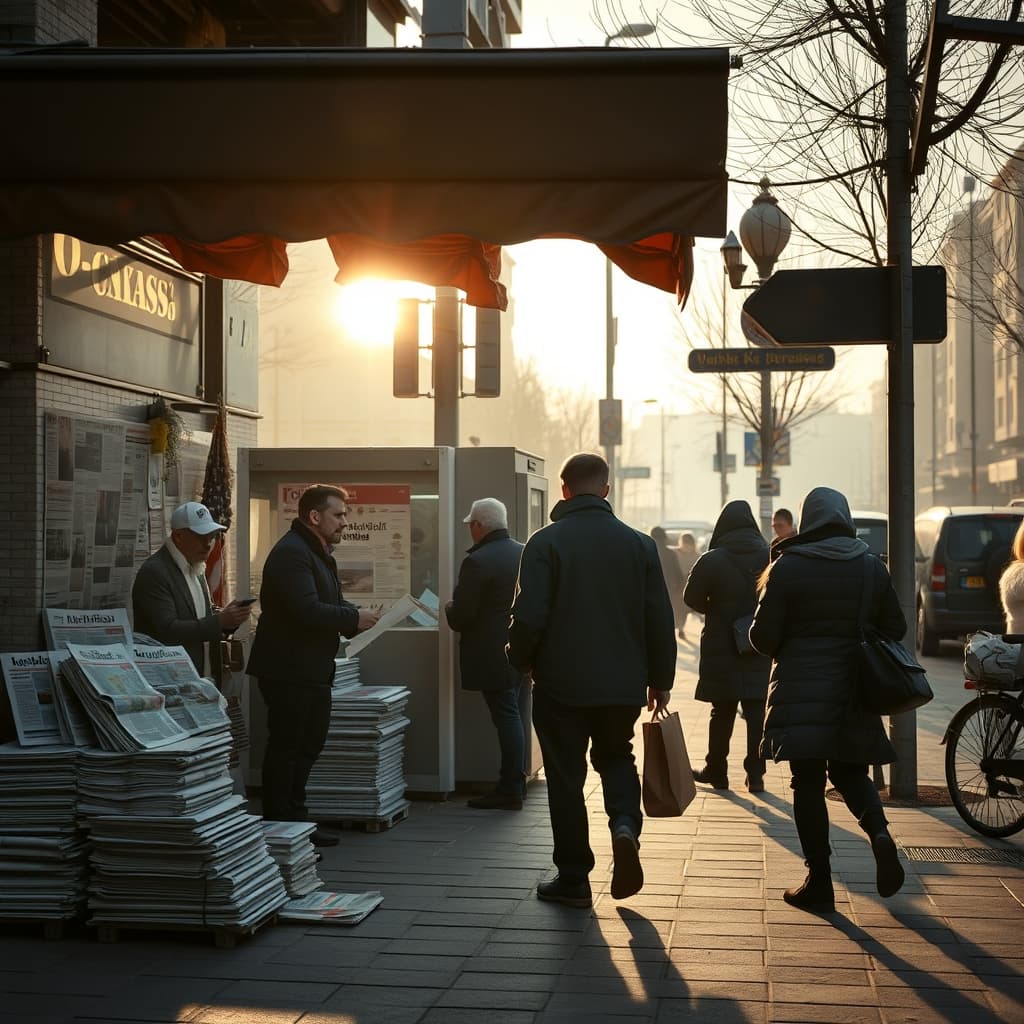
Before the neighbourhood was fully awake, a newspaper kiosk could already be arranging the day. Bundles arrived, ties were cut, editions were counted and the front pages were turned outward toward the pavement. The kiosk owner worked within a narrow space where every title needed a visible place. Commuters, shopkeepers and residents approaching from different streets could read the largest headlines before they reached the counter.
The morning paper was both a product and a public signal. A striking photograph or headline stopped pedestrians who had not planned to buy. Regular customers asked for a familiar title without naming it, while another person compared several papers before choosing. The kiosk did not create the news, but it gave news a physical order. National events, sport, local concerns and entertainment occupied neighbouring rectangles, making the range of public attention visible at a glance.
Delivery Time Shaped The First Customers
Timing was central to the trade. A late bundle disappointed workers catching transport, and unsold copies lost value as the day advanced. The seller checked quantities, separated supplements and managed returns according to the distribution system of the period. Rain, wind and strong sun threatened paper displayed at the street edge. Curtains and awnings faded because the kiosk remained exposed while protecting stock from the same weather.
Regular exchange created practical familiarity. A customer might reserve a weekend supplement, ask whether a particular magazine had arrived or leave coins ready for a quick stop. Brief comments about a headline could grow into discussion with the next person in line. Yet a kiosk was not automatically a harmonious civic forum. Political disagreement, unequal access to publications and the pressure of serving a queue were also part of its working reality.
The Pavement Became A Reading Room For A Minute
People often read without fully entering the transaction. They scanned displayed pages, repeated a score or carried a headline into a nearby shop. A purchased paper could then travel through several hands at home or work. Its fold, clipped article and pencilled mark recorded use. The kiosk therefore stood at the beginning of a longer route in which printed information moved from distributor to seller, reader, family and colleague.
Remembering this scene should include labour. The seller began early, lifted bundles, tracked many publications and remained available through changing street traffic. Small margins and unsold stock made selection consequential. The work required knowledge of customers as well as inventory. It also required restraint: recognising what someone usually bought did not mean announcing that preference to everyone nearby.
Phones now deliver headlines before a person reaches the street, and many kiosks have diversified or disappeared. Digital access is faster, but it rarely reproduces the shared view of several front pages under the same awning. The newspaper kiosk belongs in a Digital Nostalgia Archive because it made the morning materially public. Ink, folded paper, a sliding window and a familiar greeting turned distant events into objects that could be carried home. Its legacy is not a claim that printed news was perfect; it is the memory of a neighbourhood meeting the day through a visible, local point of exchange.