 Eski Pano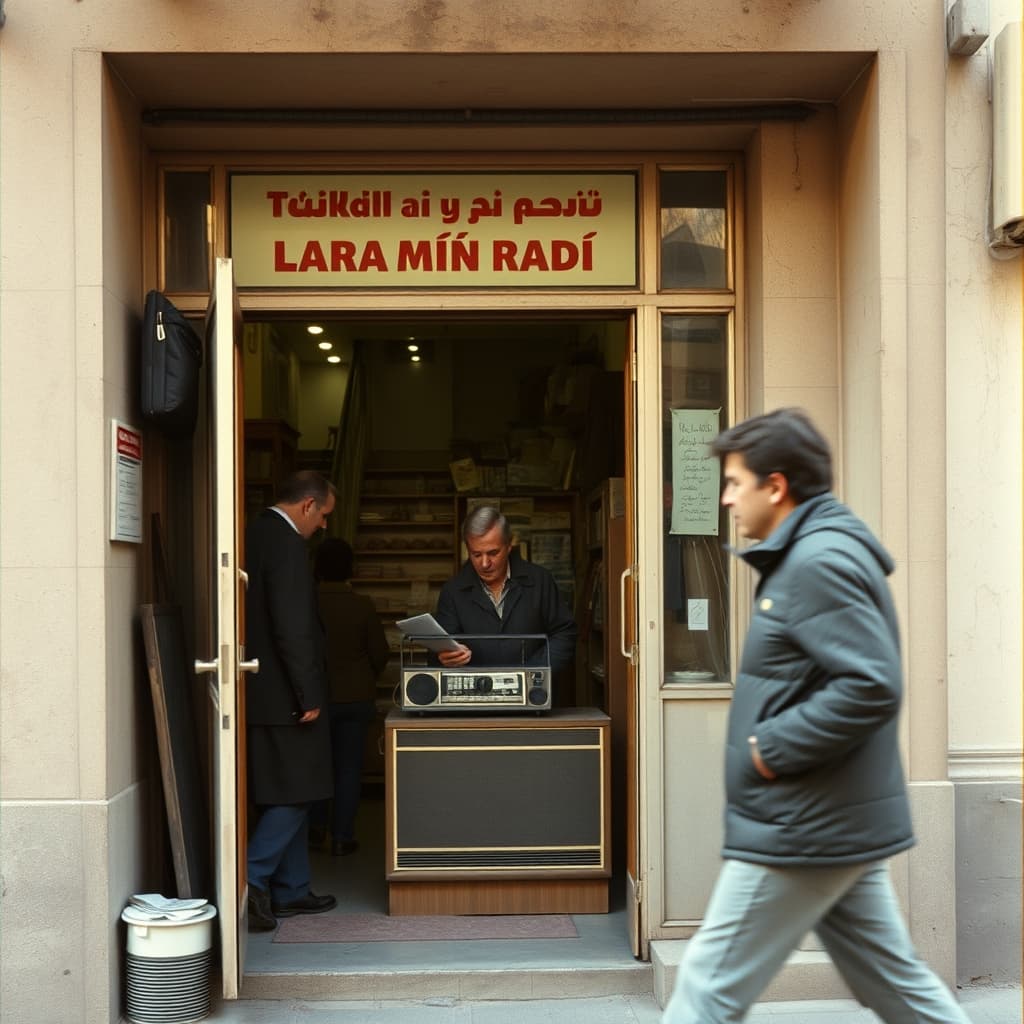
A song coming through an open shop door could accompany a pedestrian for only a few steps. Farther along, another radio might carry the same broadcast, allowing the tune to resume. This was one way a city acquired a musical memory without organising a concert: separate receivers, ordinary errands and overlapping moments of attention. The music belonged to a programme, but its setting was also the pavement, a kitchen window and the counter where someone waited for change.
October 1 offers a relevant occasion to consider that shared listening. The International Music Council inaugurated International Music Day in 1975, encouraging wider participation in musical life; radio and television were among the channels envisaged for it. This does not mean that every remembered street broadcast was part of the celebration. The date provides a lens, not evidence of an unrecorded local event.
One Broadcast, Several Doorways
A radio broadcast supplied a common sequence. Unlike a personally selected playlist, it could place listeners in different rooms within the same unfolding programme. A presenter’s introduction, a musical passage and the interval before another item helped people recognise where they had joined. Reception and station choice varied, so the city was never literally listening to one uninterrupted soundtrack.
The receiver’s location shaped what reached the street. Near a doorway, music escaped into passing traffic; farther inside, conversation and machinery competed with it. A shopkeeper might lower the volume to serve a customer, then turn it up again. Those adjustments are part of the soundscape. Remembering only the melody removes the work, interruptions and negotiations that made it audible.
A Familiar Tune Was Not a Universal Favourite
Listeners could recognise a song without liking it. Different generations, languages and musical preferences existed within the same household or street. Control of the tuning knob also mattered: the person who owned or operated the receiver could determine what others heard. Shared exposure should not be mistaken for equal choice, and a warm account can still acknowledge annoyance or exclusion.
Some people listened closely, while others used music as a background to cooking, repairing or arranging goods. The distinction could shift when a favourite piece began. Hands paused, a volume changed or a neighbour commented. Without a reliable source, however, an archive should not invent those gestures as witnessed scenes. They are questions to ask the people who remember a particular place.
Reconstructing a Sound Without Inventing a Programme
A useful oral-history interview asks where the radio stood, who tuned it, at what time it was heard and whether the listener remembers a title or merely a fragment. A remembered refrain may be accurate while the station or year remains uncertain. Keep those degrees of confidence separate. A contemporary recording of the song proves the composition exists, not that a certain shop broadcast it on a certain morning.
Programme listings, dated photographs, diaries and surviving recordings can narrow the account. They should be compared rather than treated as interchangeable evidence. A radio in a photograph does not reveal its volume; a printed schedule does not prove reception or attention. If audio is shared publicly, rights and consent need consideration, including conversations captured around the music.
Personal headphones and on-demand listening have changed how music spills into public space, but shared broadcasts and overheard songs have not vanished. The difference is not simply that an earlier city was closer-knit. It concerns timing and control: who selected the sound, who could hear it and whether strangers briefly occupied the same musical minute.
The most convincing record of a city’s radio memory may therefore be quite small: one identified doorway, a receiver’s position, a cautiously dated programme and a listener explaining why a tune interrupted their errand. Together those details preserve music as an urban encounter, rather than turning every old radio into a promise that everyone once felt the same.