 Eski Pano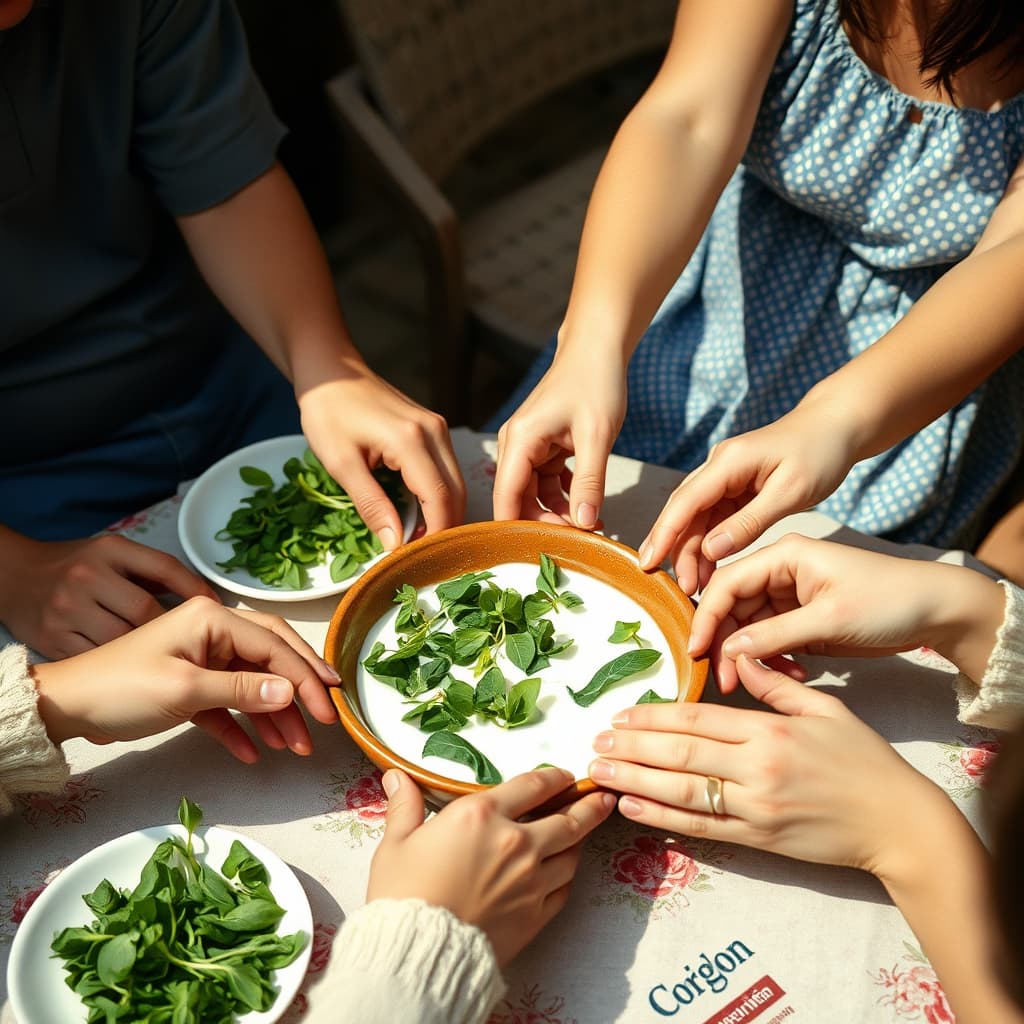
A bowl of purslane with yoghurt can return a person to a crowded summer table before the first spoonful is fully tasted. The memory may begin with coolness, a slight crunch, the tang of yoghurt or the voice of someone asking for the bowl to be passed. Its familiarity comes from repetition, but repetition did not make every household version identical. Texture, timing and serving choices gave each table its own signature.
Purslane grows and is sold in different conditions, while yoghurt, seasoning and preparation vary by region and family. Some versions are treated as a salad, others sit beside a cooked meal, and related dishes should not be collapsed into one definitive recipe. The cultural value lies partly in these differences. A good record asks who prepared this version and how, rather than declaring one authentic formula.
Washing and Draining Shaped the Bowl
Leaves and tender stems could carry soil, so preparation began with careful sorting and washing according to current food-safety guidance. Draining mattered to the final consistency. Water left on the greens could loosen the yoghurt; vigorous handling could bruise the leaves. The familiar texture was therefore produced before seasoning, through patient work that diners rarely saw.
Chopping size changed the experience. Larger pieces retained a clearer bite, while finer cutting spread the greens through each spoonful. Some cooks favoured leaves, others kept more tender stem. These are household choices, not a hierarchy. Recording them helps explain why two bowls with similar ingredients can evoke different memories.
Yoghurt Was a Texture as Well as a Flavour
The thickness and acidity of yoghurt influenced whether the dish held together or flowed across the plate. Stirring could make it smoother, while additions altered both aroma and structure. Garlic, salt, olive oil or dried herbs appear in some family versions, but none should be inserted into a remembered bowl without testimony. Even the absence of a strong seasoning can be part of its identity.
Timing mattered. Greens mixed too early might release moisture or soften; a bowl assembled near serving could remain more distinct. Refrigeration and contemporary safe-handling advice should guide preparation today, particularly for dairy and washed produce. Nostalgic memory is not a reason to repeat uncertain storage habits.
The Serving Bowl Organised Sharing
Placed at the centre, the dish moved through many hands. A shared spoon, individual portions and the order in which food was passed reflected household custom. Children might approach the green mixture cautiously, copy an adult or discover that yoghurt made an unfamiliar plant accessible. The remembered “first bite” was often social: approval, teasing, encouragement and observation surrounded the taste.
Crowded tables were not automatically effortless. Someone washed the greens, managed limited space, kept the bowl cool and replenished bread or plates. Naming that labour prevents family warmth from becoming an abstract scene. It also allows oral history to recognise cooks whose contribution was routine and therefore rarely photographed.
Record a Version Without Freezing Tradition
A family food record can include an ingredient list, approximate amounts, preparation sequence, season, source of produce, serving companions and the cook’s own language. Photograph the unprepared greens, the working stage and the finished bowl if consent allows. Clearly label present-day reconstruction rather than presenting it as an untouched historical image.
Compare accounts without forcing agreement. One sibling may recall garlic; another may insist there was none. The difference can reflect changing years, different cooks or memory itself. Attribute each version and, when possible, test it as a documented contemporary reconstruction under safe conditions. The goal is not to crown a winner but to preserve the range of family knowledge.
For a Digital Nostalgia Archive, purslane with yoghurt is valuable because an ordinary bowl connects cultivation, kitchen technique and shared attention. Its taste of childhood does not come from sentiment alone. It comes from washed leaves, chosen stems, the yoghurt’s consistency, the moment of mixing and the hands that passed the bowl around. Those precise, local details keep food memory alive without turning one family’s table into a universal recipe.