Eski Pano
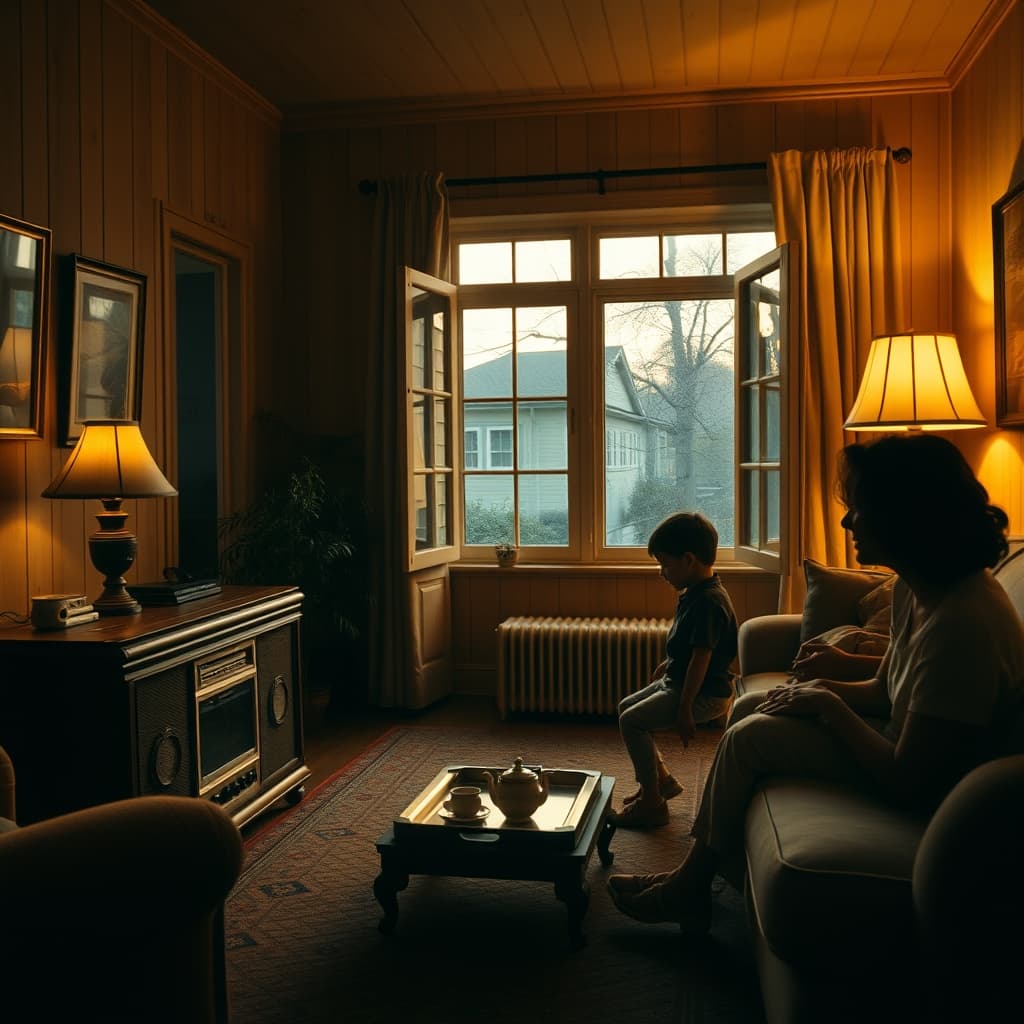
There was a time when the true beginning of evening was understood by the turning of the radio dial in the living room. Curtains were drawn, tea glasses found their places on a tray, and the direction of the armchairs slowly turned toward the same center. At the heart of that center stood a radio with a polished wooden body or a fabric speaker front. The first clear sound rising through the static seemed to reveal not only the broadcast, but the shared expectation of everyone in the house. While the neighborhood outside continued with its own murmur, everyone inside listened to the same voice, and the radio ceased to be an object and became the evening’s main guest.
From the perspective of technological heritage, radio is one of the clearest carriers of the unforgettable excitement of the analog age. The experience it offered depended not only on hearing, but on waiting, listening together, and arranging life around the hour of a program. Today a desired piece of content appears instantly; in those years people watched the clock for a favorite folk music hour, a news bulletin, or a radio play. They knew when the voice would arrive and organized the evening around it. In that way technology became less a convenience consumed alone and more a shared ritual that gathered a family in the same feeling at the same time. The cultural force of radio lived alongside its technical one.
What made that quiet excitement unforgettable were the small scenes inside the home. A father raising the volume slightly so as not to miss the news, a mother calling from the kitchen to ask whether it had begun, a grandmother praising the announcer’s diction, children lying face down on the carpet waiting for story hour, all were parts of the common time formed around the radio. On some evenings the same broadcast slipped in from neighboring homes as well, and through open windows similar sentences echoed along the street. Among the sounds of the neighborhood, the radio remained like a forgotten photograph, because it was both ordinary and treated with a special tenderness.
Another reason radio remained so lasting was the wide space it left to imagination. Because there was no image, sound built a different scene in every house, and each listener completed the setting with details from their own life. When a door creaked in a radio drama, everyone imagined a different corridor; when a song played, another face returned to memory; when the announcer’s rich voice spread through the air, it entered many different sitting rooms at once. The excitement of the analog age was hidden there. Technology did not present a finished image to consume. It opened an incomplete yet magical field, one completed by the listener’s own mind.
When we think of radio today, what comes back is not merely old devices or tuning knobs. What is truly remembered is that shared evening feeling in which a family connected to the same voice with quiet excitement. Radio was a threshold that drew the people gathered in the living room a little closer to one another while joining the sounds of the neighborhood outside with the inner rhythm of the home. That is why the unforgettable thrill of the analog age still seems to look at us from the faded corner of a photograph. The closeness built around sound remains one of the humblest and deepest inheritances in the history of technology.
Radio: It Tells the Unforgotten Excitement of the Analog Age Within the Quiet Thrill of Families Gathered in the Living Room, Like a Forgotten Photograph Among Neighborhood Sounds