 Eski Pano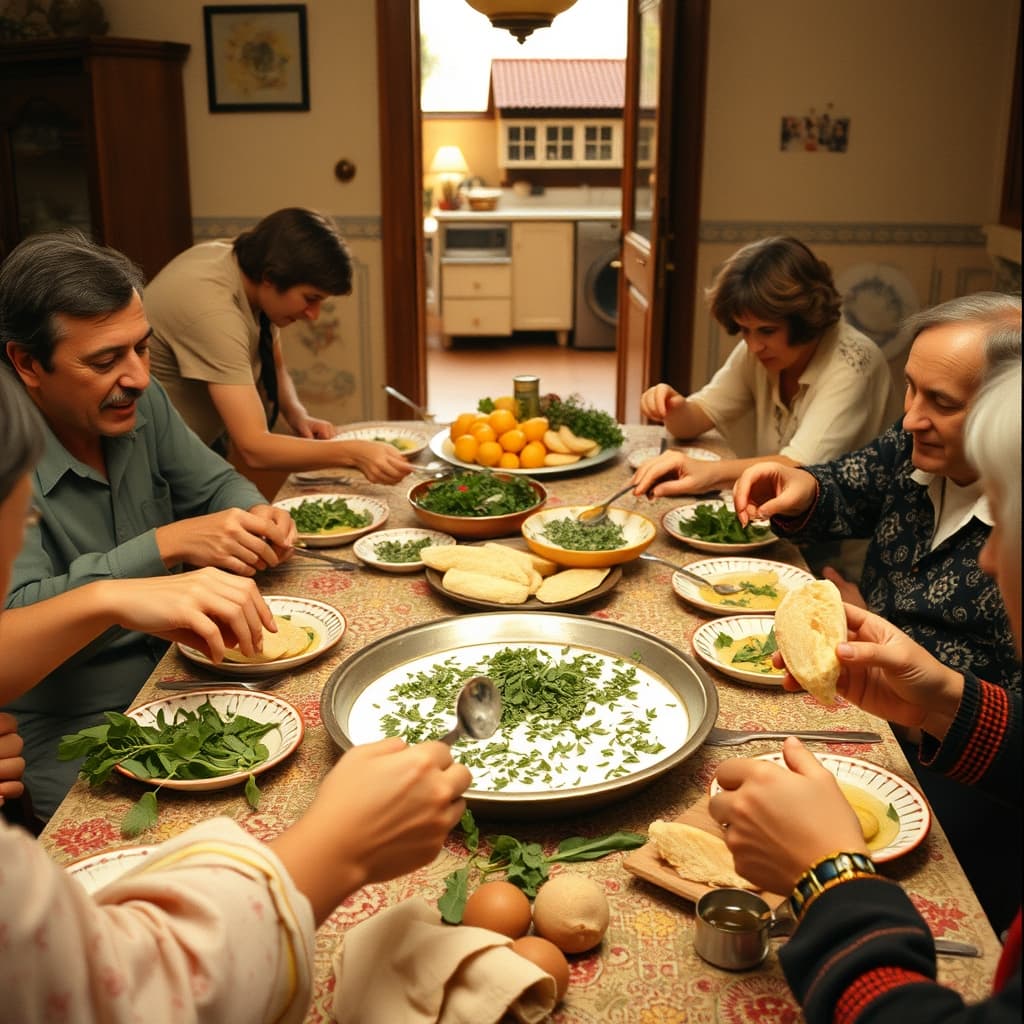
A bowl of purslane with yogurt could cool the centre of a crowded family table. Its green leaves, pale yogurt, garlic, and olive oil offered freshness beside warm dishes, bread, and conversation. The recipe looked effortless when carried from the kitchen, but its clean flavour depended on choosing tender purslane, washing it thoroughly, draining it well, and balancing the yogurt so the bowl did not become watery.
Turkish households prepare yoğurtlu semizotu in many ways. Some use raw leaves and stems; others briefly cook the plant or combine it with grain, pulses, cucumber, spices, or a warm sauce. Garlic may be strong, restrained, or omitted. These versions reflect season, region, digestion, preference, and available ingredients. A food archive should preserve variation rather than crown one family method as the only authentic recipe.
The Dish Began at the Market or Garden
Purslane is a succulent edible green that can grow as a crop or volunteer plant. Buyers looked for crisp leaves and tender stems without excessive damage or decay. Foraging requires expert identification and knowledge of land use; plants near traffic, sprayed ground, animal waste, or contaminated soil may be unsafe. Nostalgia for gathering wild greens should never replace local guidance and careful sourcing.
Soil can cling between the branching stems. Leaves were sorted, roots and damaged parts removed, and the greens washed in several changes of clean water. Soaking alone does not guarantee cleanliness. Safe preparation uses clean hands, utensils, and surfaces, keeps raw greens away from contaminated foods, and follows current public-health advice. Draining or spinning the leaves helps prevent diluted yogurt.
Yogurt Set the Character
Thick yogurt coated the leaves more evenly, while a looser yogurt produced a spoonable salad. Crushed garlic and salt were mixed carefully; olive oil, dried mint, chilli, or walnuts could finish the dish according to household taste. Acid was not always necessary because yogurt already brought tang. The cook adjusted texture at the last moment, knowing that salt and time would draw moisture from the greens.
Food safety matters especially at a summer table. Yogurt must be kept cold and returned to refrigeration promptly rather than left for hours in a warm room. Clean serving spoons reduce contamination. Diners with dairy allergy or intolerance need an appropriate alternative, while nuts must be disclosed when used. A familiar family dish should welcome guests without treating ingredients as secret tests.
The Shared Bowl Balanced the Meal
On a large table, the salad passed between generations. Someone preferred more garlic, another reached for the olive oil pooled at the edge, and a child might first approach the unfamiliar green through yogurt. Its cooling texture balanced rice, legumes, meat, or pastry, depending on the menu. The dish linked abundance with seasonality: a feast did not require every plate to be heavy.
The labour behind the bowl was easily overlooked. Shopping, sorting, repeated washing, straining yogurt, crushing garlic, serving, and cleaning belonged to the meal's timetable. Women often carried much of this domestic work, though roles varied. Recording who prepared the dish is as important as listing ingredients. Otherwise a crowded table appears to assemble itself.
A Digital Nostalgia Archive can preserve handwritten recipes, market photographs, garden notes, bowls, serving memories, and interviews with growers and cooks. Quantities and methods should be recorded alongside substitutions and safety context. Yoğurtlu semizotu calls back the family table because it joined many small forms of care: a seasonal leaf cleaned patiently, yogurt held cold, garlic adjusted by taste, and one shared bowl placed where every hand could reach.