 Eski Pano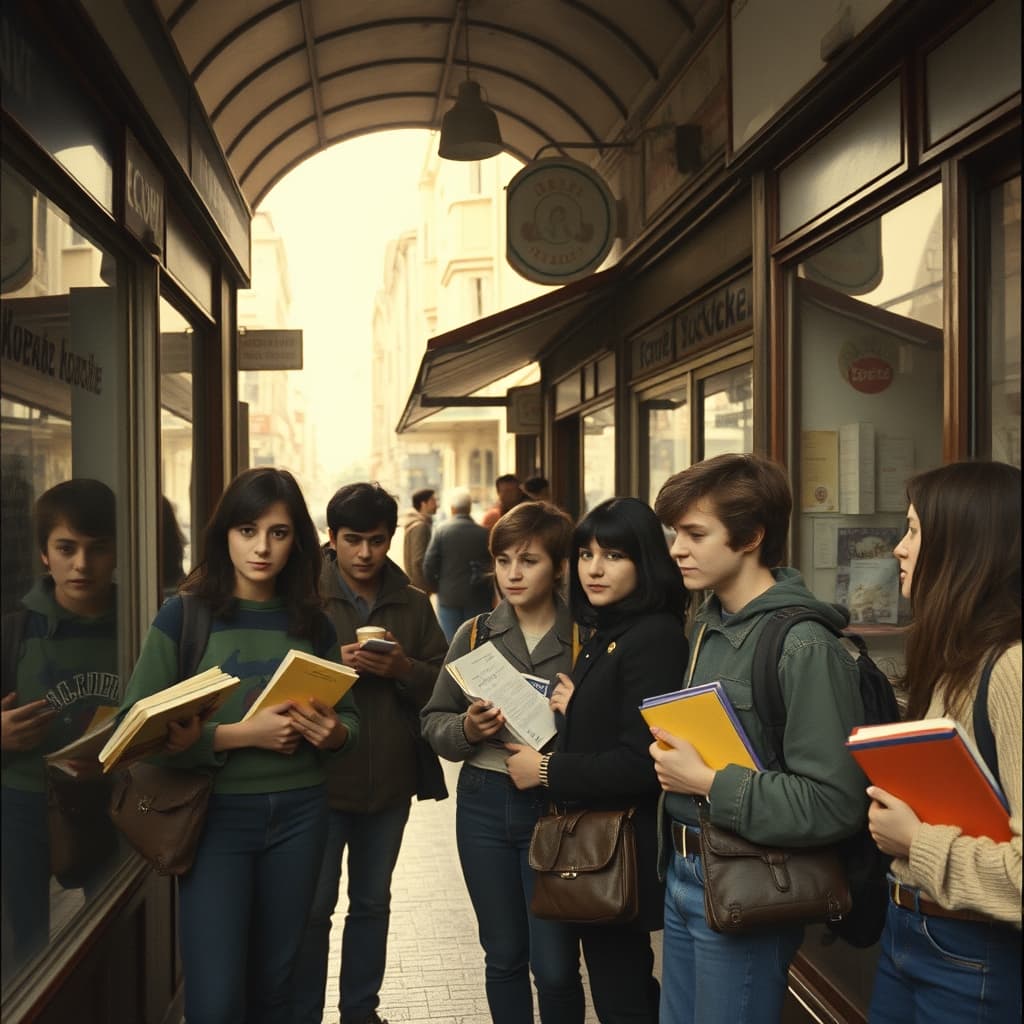
When the final school bell released a crowd into the city, the covered passage offered a place between classroom and home. Students slowed in front of stationery windows, listened at record shops, compared badges, and calculated what a small allowance could buy. The passage was neither fully street nor enclosed shopping centre. Its narrow route turned browsing, conversation, and the postponement of going home into a recognisable youth ritual.
Passages differed across cities and decades. Some linked major streets through old commercial buildings; others sat beneath offices, cinemas, or apartment blocks. Their tenants changed with rent, fashion, and local demand. One person's remembered passage may combine several shops and years, so directories, advertisements, photographs, leases, and oral histories are needed to identify what occupied a particular corridor at a particular time.
The Windows Taught Desire and Restraint
A stationery display could make notebooks, pens, stickers, and drawing tools feel like promises for the new term. Record sleeves and cassette covers introduced styles before many households could afford the music. Young people learned prices, saved coins, shared purchases, and sometimes visited repeatedly without buying. Shopkeepers recognised the serious browser and the bored student, balancing hospitality with concern about crowded aisles and fragile stock.
Pocket money shaped the route. A modest snack, photocopy, magazine, game token, or bus fare required choices. Friends lent small amounts or divided food. These transactions taught budgeting, but access was unequal. Some students could shop freely; others watched, hurried to work, or went directly home. Nostalgia should not treat consumer choice as a universal teenage experience.
A Corridor Became a Social Room
The passage provided shelter from rain, summer glare, and traffic while remaining connected to public life. Friends arranged meetings by a familiar staircase or sign. News moved through shop counters, cinema queues, and café tables. Older students introduced younger ones to music, fashion, jokes, and unwritten rules. This informal education could build confidence, yet it could also carry peer pressure, exclusion, or harassment.
Safety depended on lighting, exits, maintenance, and the conduct of adults nearby. Shopkeepers and caretakers sometimes noticed a child in difficulty, offered a telephone, or intervened in conflict. Informal supervision was valuable but could not replace safe design, responsible guardianship, and clear boundaries. Girls, disabled students, and minority youth did not always experience the same freedom to linger.
The Passage Ran on Everyday Labour
Behind the displays were clerks, cleaners, porters, repair workers, tea sellers, security staff, and small business owners managing long hours. Deliveries squeezed through narrow entrances before or during trade. Smoke, poor ventilation, stairs, fire safety, and uncertain leases affected working conditions. The youthful memory of effortless browsing depended on adults opening shutters, arranging goods, extending credit, and closing late.
Urban redevelopment, online retail, malls, and changing entertainment altered many passages. Some specialised in books, electronics, tailoring, music, or food; others emptied or were renovated beyond recognition. Survival often depended on affordable rent and a community of trades that drew repeat visitors. Preserving a passage means considering active use, not merely freezing its façade.
A Digital Nostalgia Archive can connect shop signs, receipts, school notebooks, cinema tickets, floor plans, music catalogues, and interviews with students and workers. Images of minors require care and consent. After-school hours in the passage mattered because young people practised independence in small increments: one delayed bus, one shared snack, one long look through a window, and one more turn before finally heading home.