 Eski Pano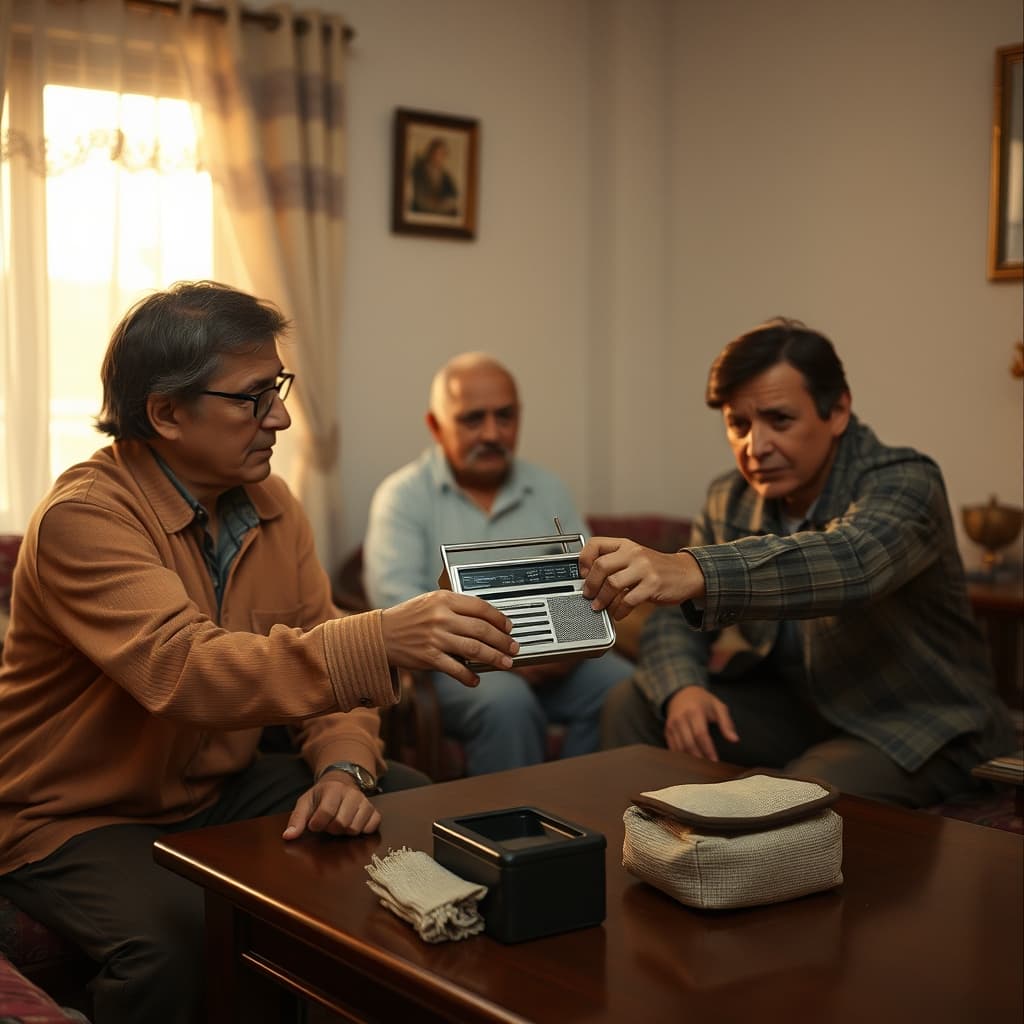
A pocket radio could be described as personal technology, yet inside a family home it rarely belonged to one listener in a simple way. It moved from a schoolbag to a kitchen shelf, from an older sibling’s hand to a parent checking the news, then back to a bedside table. The device was portable, but its route through the household was shaped by permission, habit and the remaining life of its batteries.
This angle differs from the large sitting-room receiver around which everyone faced the same programme. A small set could still gather several people, but it also allowed attention to shift. One person held it, another asked for more volume, and someone else requested a different station. Quiet excitement came from the possibility that the next turn of the dial might change who controlled the room.
Possession Was Marked in Small Ways
A name scratched inside a battery cover, a cloth pouch, a replaced strap or a repair label can show how owners tried to keep track of a travelling object. These marks should be documented, not automatically removed. They may indicate care or circulation, but they do not by themselves identify the person who made them. Family testimony must remain attributed and uncertain names labelled as such.
Borrowing carried informal rules. The radio might be available after homework, kept away from younger hands or returned before a regular broadcast. Such arrangements differed across homes and generations. They reveal domestic authority without supporting a sentimental claim that every family listened peacefully together.
Volume Negotiated the Edges of the Room
A pocket speaker could be loud enough for nearby listeners yet still create a small circle. Turning it up expanded that circle and could interrupt conversation; lowering it made the holder lean closer. An earphone narrowed the audience further, although older fittings and damaged cables require inspection before present-day use.
Placement also mattered. On a table, shelf or windowsill, the radio became temporarily shared. Held close to the body, it seemed more private even when its sound leaked into the room. These ordinary movements helped families negotiate when listening was communal and when one person could withdraw without leaving.
Battery Life Became Household Arithmetic
Portable listening depended on consumable power. A fading battery could bring distortion, reduced volume or uncertain reception, but a symptom should not be diagnosed without examining the set. Families might limit listening time, reserve fresh cells for an anticipated programme or move batteries between devices. Exact practices should be recorded from testimony rather than treated as universal thrift.
The battery compartment is now a preservation priority. Corrosion, residue and swollen cells can damage contacts and cases. Old batteries should not be tested casually or discarded with household waste; current local guidance and appropriate protective handling apply. An empty compartment photographed before cleaning can retain evidence about size, orientation and previous leakage.
The Dial Recorded Choice Without Keeping a History
Unlike a modern account, the analogue dial did not preserve a list of what each person heard. A pointer’s resting position may suggest the last tuning action but cannot prove a favourite station. Station schedules, family recollection and local broadcasting history can help, provided the archive distinguishes a confirmed programme from a plausible one.
A useful oral history follows the radio’s movement rather than asking only what was broadcast. Who was allowed to carry it outdoors? Who bought batteries? Where was it placed at mealtimes? What happened when two people wanted different programmes? These questions recover the social life of the device without inventing a perfect family scene.
The pocket radio belongs to analogue memory because it made listening movable before making it fully private. Its cabinet crossed boundaries between owner and borrower, child and adult, common room and quiet corner. Preserving that route explains why a small receiver could hold so much anticipation: each handover reopened the questions of who would tune, who would listen and how much of the household would hear.