 Eski Pano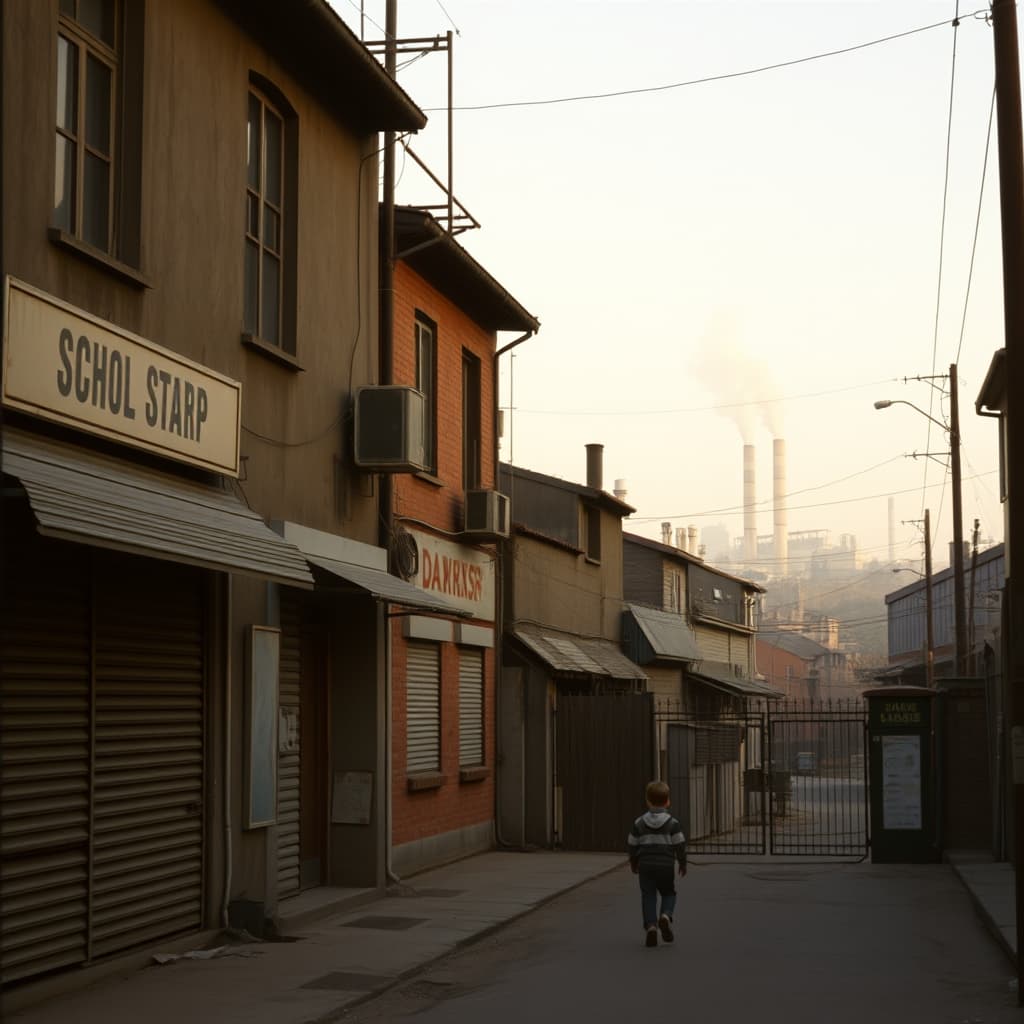
A factory whistle did not reach an old city district as a uniform wall of sound. It arrived strongly at an open junction, softened behind a row of buildings and entered an upstairs room differently from a ground-floor shop. Residents learned not only the hour associated with a familiar signal but also how their particular corner received it. The neighbourhood rhythm was therefore acoustic and geographical at once.
The original purpose of a factory signal was operational. Its exact meaning depended on the workplace, period and local system, so a remembered morning blast should not automatically be labelled as a shift change, warning or break without supporting evidence. What oral memory can establish more confidently is where the sound was heard, what people did after hearing it and how consistently that association returned.
One Whistle Produced Many Listening Positions
A child walking to school, a shopkeeper raising a shutter and a household member near an open window occupied different listening points. Streets channelled sound; walls, courtyards, trees, traffic and weather altered its clarity. A person might hear the beginning but not the end, or recognise a distant vibration before identifying the source. Those differences created a mental map that no factory timetable could show.
This is why an interview about industrial sound benefits from a street map. A former resident can mark a home, school route, workshop and place where the whistle became faint. Several maps may disagree, and that disagreement is useful. Hearing changes with attention, age, buildings and recollection. The archive should preserve attributed accounts instead of averaging them into a falsely exact radius.
The School Bell Answered a Different Institution
Factory whistle and school bell could divide the same morning without serving the same authority. One organised industrial work; the other marked lessons, breaks or arrival at school. Children may have used both as practical clues while adults followed other schedules. Their proximity in memory does not prove that the signals were synchronised or deliberately coordinated.
The distance between the sounds mattered. Near the school, a bell could be immediate and directional; the factory might remain an unseen presence beyond roofs. On another street, industrial sound dominated. Remembering which signal came first can reveal how a route was experienced, but the claim should be recorded as testimony unless contemporary schedules confirm it.
Closed Windows Changed the Morning
Season and domestic habits shaped audibility. An open summer window admitted street sound readily, while a closed room, heavy curtain or new glazing altered the signal. Later construction could block or reflect it. More vehicles, ventilation systems and electronic alarms added competing noise. The whistle may not have become physically weaker; the path between source and listener may simply have changed.
When a plant closed or replaced its signal, silence was not neutral. Some residents experienced relief, while others noticed the loss of an audible reference tied to work and local movement. The archive should hold both reactions. Familiarity can coexist with disturbance, and nostalgia should not erase the demands that industrial time placed on workers or neighbours.
Reconstruct the Route Without Staging Certainty
A responsible sound record combines testimony with maps, building history, factory documents and any verified recording. A modern recreation should be labelled clearly and kept at a safe level; sounding a powerful historic whistle in public may create risk or confusion. Written descriptions such as duration, repetition and perceived direction are valuable even when no original audio survives.
The factory whistle remains vivid because listeners placed it inside a route: before a turn, beside a school gate, through a kitchen window or across a workshop threshold. Its memory is not only the note itself. It is the changing distance between industry and daily life. Mapping those listening positions preserves a district as people heard it, including the places where the signal broke apart, disappeared or met the school bell.