Eski Pano
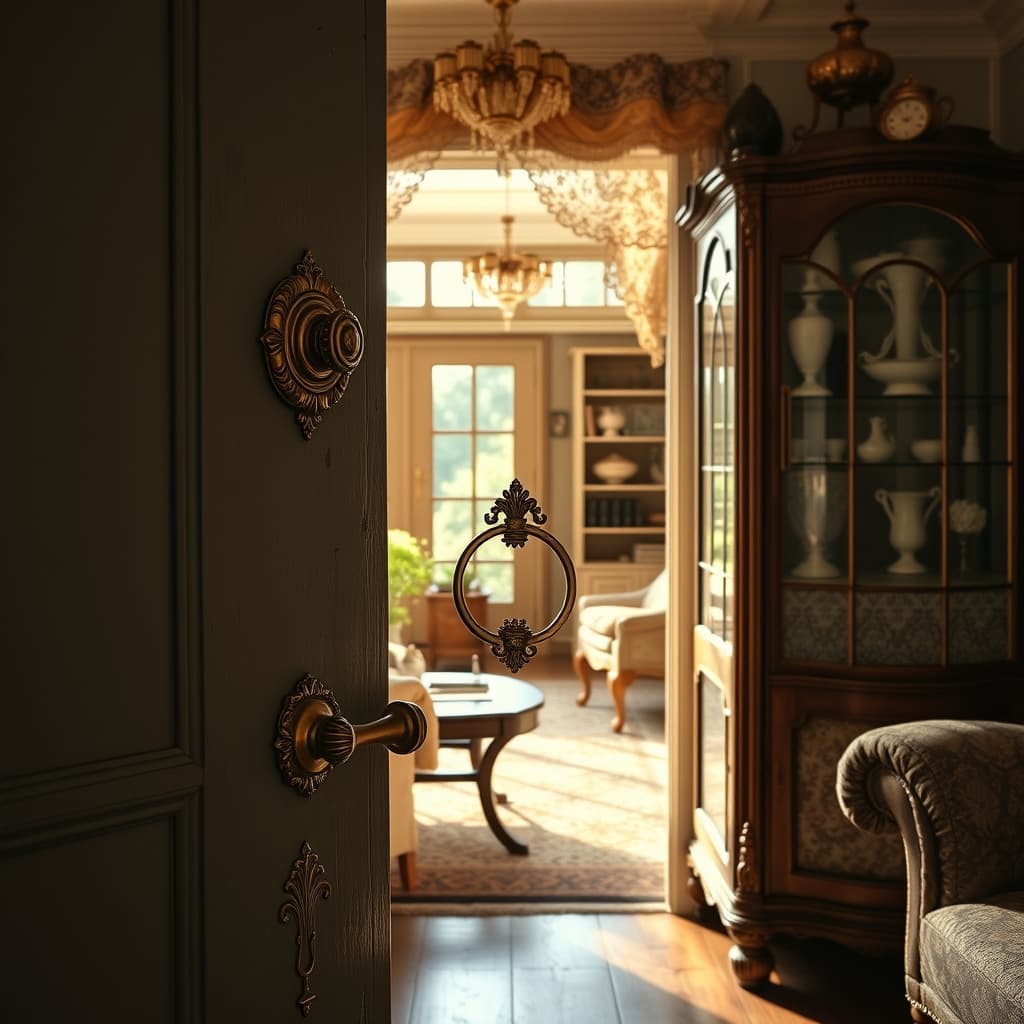
There was a time when one of the first things noticed while approaching a house was the sound of the brass door knocker, and once inside, the arrangement in the most visible corner of the living-room display cabinet. These two details represented the outward and inward face of domestic life. The knocker carried the way a visitor announced arrival; the cabinet corner carried the way the household presented itself. The pale golden gleam of brass, the traces of hands left on its polished surface, and the glass or porcelain objects placed on lace inside the cabinet all spoke of the seriousness and measured pride of older homes. It is no accident that these objects are attracting attention again today. They are not merely decorative pieces, but daily symbols carrying an era’s sense of taste, household order, and language of hospitality.
From the perspective of object stories, the brass door knocker and the most visible corner of the display cabinet are closely related. Both are threshold objects. The knocker comes into play at the moment the house meets the outside world, while the cabinet arranges the quiet order first noticed by a guest after entering. The firm sound of the knocker carries the memory of apartment buildings and houses where a bell did not exist or, even if it did, was seldom used. People could guess who had come from the particular way the metal was struck; before the door opened, the sound itself already suggested a face. Inside, the visible corner of the cabinet functioned as a small stage for the family’s most valued or most remembered things. A tea set brought out on holidays, a sugar bowl saved from a wedding, a figurine sent by a distant relative, or simply an object loved enough to stand in front became a silent representative of family memory there.
One reason these objects attract renewed interest today is the search for solidity against the increasingly immaterial surface of modern life. A brass knocker has weight in the hand, coolness to the touch, and the record of use darkening across time. A display cabinet similarly offers a frame that does more than store objects; it gives them meaning. In a design culture built on speed and easy replacement, people are turning again toward things that last longer, carry a story, or can survive long enough to become part of a family. The tone of brass, which grows more beautiful as it ages, and the patient structure of the cabinet, which invites careful arrangement, answer that longing. What is being sought is not only beauty, but continuity.
Behind this interest also lie childhood memories. For many, the door knocker was the first sound heard when visiting a grandmother’s house, while the living-room cabinet was an interior world that could be observed for a long time but not touched. The objects behind the glass felt like treasures that were somehow near and distant at once. The brightness of the brass knocker marked the passage from the harder outside world into the shelter of the house. That is why these objects gain value again today in design magazines, second-hand shops, and new decoration searches not only through their forms, but also through the emotional echo they carry.
In the end, the brass door knocker and the most visible corner of the living-room display cabinet are instruments of both representation and remembrance in old domestic life. Their return is less a temporary fashion than a response to the need for meaningful objects. People miss the sound made at the door, the place reserved for a beloved object in the cabinet, and the calm language through which a home once expressed itself. Sometimes the character of a house is understood not in its largest furniture, but in the sound kept by its knocker and the small gleam preserved behind its glass.
The Brass Door Knocker and the Most Visible Corner of the Living Room Display Cabinet: Why Is It Attracting Interest Again Today?