 Eski Pano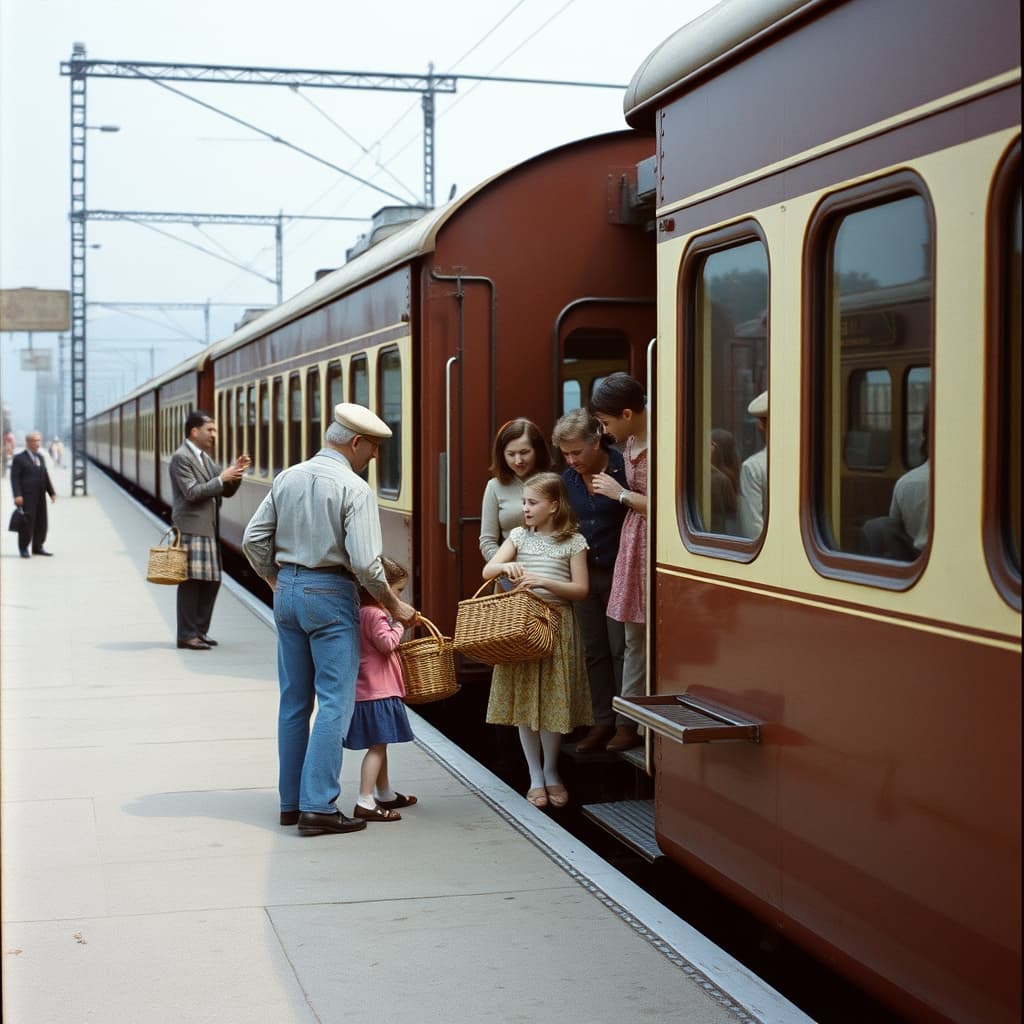
Weekend picnic trains carried family excitement beyond the city, but the joyful journey depended on more than finding a seat by the window. Crowded platforms, heavy baskets, children near carriage doors, food kept without refrigeration, changing weather, and a fixed return timetable all required planning. The railway outing worked when shared pleasure was supported by clear responsibilities.
Excursion services varied by city, decade, operator, destination, rolling stock, ticketing, and season. A scheduled suburban train used for picnics was not the same as a dedicated charter or rural branch service. Timetables, special notices, tickets, route maps, carriage records, photographs, weather reports, and passenger testimony help identify the actual journey.
The Platform Needed a Family Plan
Adults should agree who carries tickets, who supervises each child, where the group meets if separated, and which train and station form the return plan. Children need simple instructions about platform edges, moving trains, doors, and trusted railway staff. Clothing should include contact information discreetly without publicly exposing a home address.
Queues, stairs, narrow gates, and last-minute running increase falls and separation. Arriving early reduces pressure. Luggage should remain manageable, closed, and out of aisles. Prams, mobility devices, older relatives, and travellers with sensory needs may require advance accessibility information and staff assistance.
Picnic Food Began Its Journey at Home
Perishable food needs clean preparation, suitable containers, temperature control, and a realistic travel duration. Raw ingredients should remain separate from ready-to-eat dishes. A shaded basket or cool morning is not a measured cold chain. Current food-safety guidance should determine ice packs, holding time, serving, and disposal.
Drinking water must be safe and sufficient for the route, weather, and group. Shared cups can spread contamination, while glass bottles add breakage risk. Ingredient and allergen information matters when several households contribute food. A familiar pastry or salad may contain dairy, eggs, nuts, sesame, gluten, or other allergens.
The Destination Was Not an Empty Stage
Picnic areas could include steep ground, water, railway tracks, roads, dry grass, insects, livestock, or limited toilets. Families should respect signs, property, wildlife, fire restrictions, and local communities. Braziers and open flames require current legal and fire-safety guidance; nostalgia never justifies lighting a fire where it is prohibited or unsafe.
Weather can shift between departure and return. Shade, suitable clothing, rain protection, sun protection, and a decision point for leaving early belong in the plan. A timetable should be checked rather than remembered. Missing the final service may expose families to darkness, isolation, unplanned expense, or unsafe walking.
Waste should return with the group or enter the correct collection system. Food scraps, broken glass, embers, tins, and plastic can injure people and wildlife. Railway staff, drivers, guards, cleaners, station workers, and maintenance teams carried the less visible burden of crowded excursion days. Their working conditions belong in the historical record.
A Digital Nostalgia Archive can connect a picnic-train photograph with tickets, timetable, route, carriage, passenger list, baskets, recipes, food temperatures, destination rules, weather, accessibility, railway workers, waste, and return journey. Family joy travelled on rails because many small plans held together. Preserving the outing means recording those practical arrangements alongside the window view and the first glimpse of open countryside.