 Eski Pano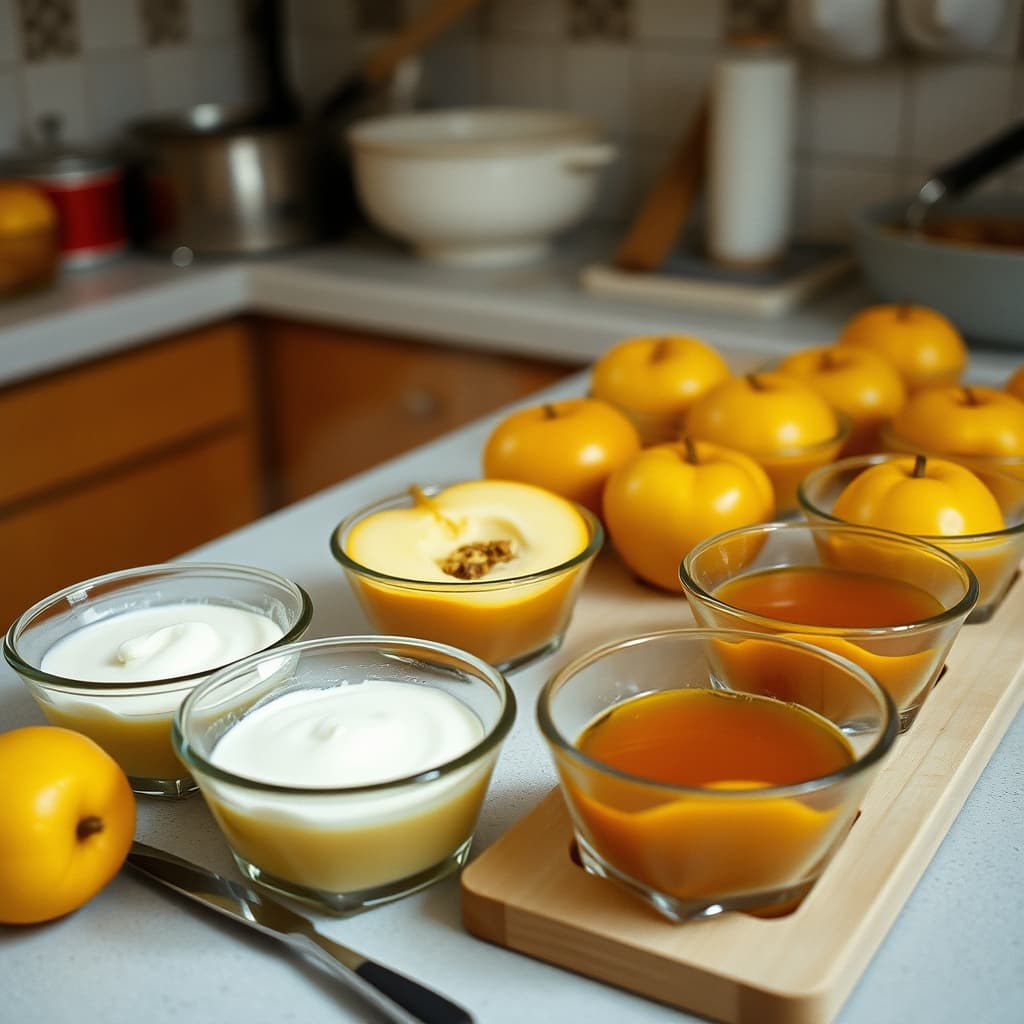
Cinnamon quince dessert can fill a house with aroma because firm fruit, sugar, spice, and slow heat release fragrance over time. The same process involves hard fruit, sharp knives, hot syrup, steam, dairy toppings, and leftovers that need temperature control. A family recipe becomes more durable when its safety decisions are written as clearly as its colour and sweetness.
Recipes vary by quince variety, ripeness, peeling, halving, poaching, baking, sugar, water, lemon, spices, colour method, portion size, and topping. Fresh dessert, hot-held service, refrigerated leftovers, and a sealed preserve are not the same product. Ingredient weights, pan size, oven settings, cooking time, dates, and storage notes define one batch.
Hard Fruit Requires a Stable Cutting Method
Choose sound quinces without mould, rot, pest damage, or leaking areas. Wash appropriately and use a stable board, sharp suitable knife, clear work area, and controlled technique. Trying to force a dull blade through rocking fruit increases slip risk. People with limited grip or vision may need adapted tools or help.
Remove the core and seeds carefully according to the recipe. Seeds and hard fragments can become choking or tooth hazards if left in a serving unexpectedly. Claims about using crushed seeds, leaves, or other plant parts should not be adopted from an unverified tradition; ingredient safety depends on accurate identification and evidence.
Colour Is Not a Cooking Thermometer
Quince may turn pink or red through variety, acidity, oxidation, heat, and cooking duration, but colour does not prove that the centre is cooked or the dessert is preserved. Follow a tested method, control pan depth and portion size, and use suitable temperature checks where required. Caramelising sugar and hot syrup can cause severe burns.
Open oven doors and pan lids cautiously because steam escapes toward hands and face. Use dry heat protection and stable dishes. Children should not lean over syrup or carry the hot pan. Cinnamon, cloves, lemon, colourings, or flavour extracts should be measured and identified rather than added from unlabelled containers.
Toppings Change the Storage Rules
Kaymak, cream, yoghurt, ice cream, nuts, or other garnishes add allergens and may require strict refrigeration. Keep toppings separate until service where practical, use clean utensils, and provide accurate ingredient information. A plain fruit portion is not allergen-free if prepared with shared tools or stored beneath a contaminated garnish.
Serve hot food within safe holding rules or begin cooling promptly. Divide large quantities into suitable shallow containers rather than leaving a deep warm pan through the evening. Refrigerate according to current food-safety guidance and label the preparation and opening dates. A sweet syrup does not automatically make a cooked dessert shelf-stable.
Use clean serving spoons and avoid returning food from plates. Reheat only the portion needed, evenly and according to guidance. Mould, bubbling, swelling, leakage, strongly abnormal odour, or an unknown time outside temperature control are reasons for caution. Do not taste suspect dessert or scrape away visible mould to save the remainder.
A Digital Nostalgia Archive can connect the quince aroma with fruit source, harvest, ingredient weights, cutting method, cook, pan, heat, spice labels, colour changes, toppings, allergens, serving time, cooling, storage, reheating, and discard decisions. The scent filled the house because transformation happened slowly. Preserving it responsibly means keeping that sensory memory beside the practical record that made each serving safe.