 Eski Pano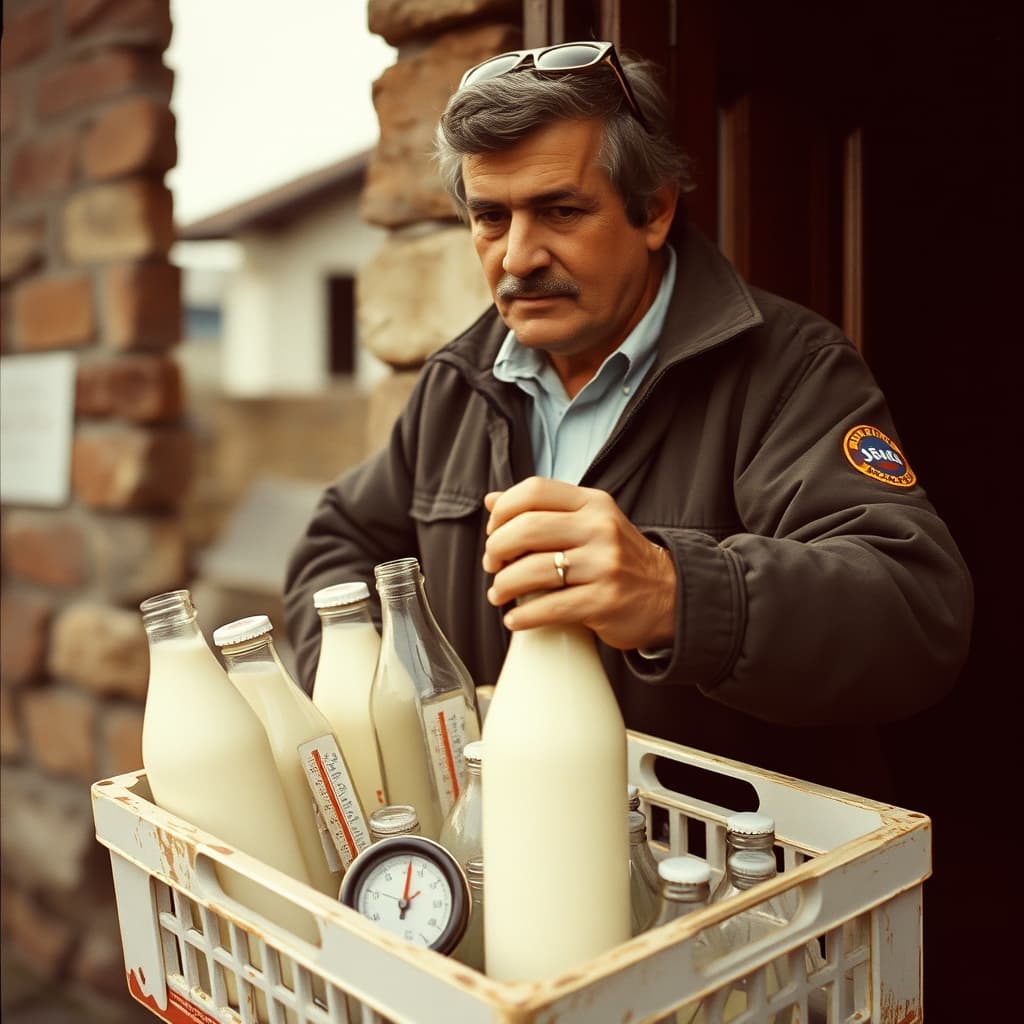
The milkman's bell could feel like the warmest sound in an old neighbourhood because it announced breakfast and a familiar face. The product itself was highly perishable. Safe doorstep delivery depended on verified production, pasteurisation where required, clean containers, sealed closures, continuous temperature control, timely collection, and immediate household refrigeration.
Delivery systems varied by city, dairy, decade, animal source, processing, bottle deposit, vehicle, and law. Raw milk sold locally, pasteurised bottled milk, sterilised products, and modern refrigerated delivery have different risks and shelf lives. Dairy records, labels, batch codes, inspection reports, route sheets, temperature logs, bottle-washing procedures, and household accounts define the actual system.
The Bell Was Not a Safety Certificate
A trusted seller still needed lawful producer identity, product description, date, batch, storage conditions, and traceability. Sensory familiarity cannot detect every pathogen or contaminant. Claims that raw milk is automatically healthier or safe because it came from a known farm should not replace current public-health guidance for vulnerable people and the wider household.
Pasteurisation and other heat treatments require controlled time and temperature, suitable equipment, and prevention of contamination afterward. Boiling at home is not a substitute for an accountable production system, and it can create burn risks without correcting every earlier handling failure. Consumers need accurate information about the process actually used.
Cold Control Continued along the Route
Milk should travel at the temperature specified by regulation and the producer, in clean equipment protected from sun, exhaust, animals, dust, and handling. A winter morning is not a calibrated refrigerator. Route duration, delays, insulated storage, vehicle hygiene, and measured temperatures determine whether the last delivery is as controlled as the first.
Leaving bottles on a doorstep introduces sunlight, weather, theft, breakage, pests, and unknown time outside control. Households need an agreed delivery window or insulated secure handoff that follows current guidance. A bottle should enter the refrigerator promptly, with its use-by information retained.
Returnable Bottles Needed a Closed Hygiene Loop
Deposits encouraged return, but empties could contain dirt, foreign objects, chemicals, insects, or chips. Consumers should not repurpose milk bottles for hazardous substances. Dairies needed sorting, inspection, validated washing, rinsing, and rejection procedures before refilling. A clean-looking bottle is not proof of an effective sanitation cycle.
Cracked glass, damaged mouths, loose caps, leakage, swelling, off-odour, unexpected separation, or an unknown temperature history require caution. Do not taste questionable milk to test it. Isolate the product, keep identifiers for reporting, and follow current food-safety advice on disposal and notification.
Milk is a declared allergen and may be unsuitable for some people. Delivery notes, reusable account books, and payment records also contain addresses and financial information that need privacy. The milkman's relationship with children and households should remain professional, with transparent prices, change, deposits, and safeguarding boundaries.
A Digital Nostalgia Archive can connect the morning bell with dairy, farm source, heat treatment, batch, bottle, cap, washing cycle, vehicle, route, temperatures, delivery time, deposit, household refrigeration, payment, and complaints. The scene felt warm because a regulated chain arrived as a personal encounter. Preserving it honestly means placing the familiar bell beside the invisible cold, hygiene, testing, traceability, and labour that made the milk dependable.