 Eski Pano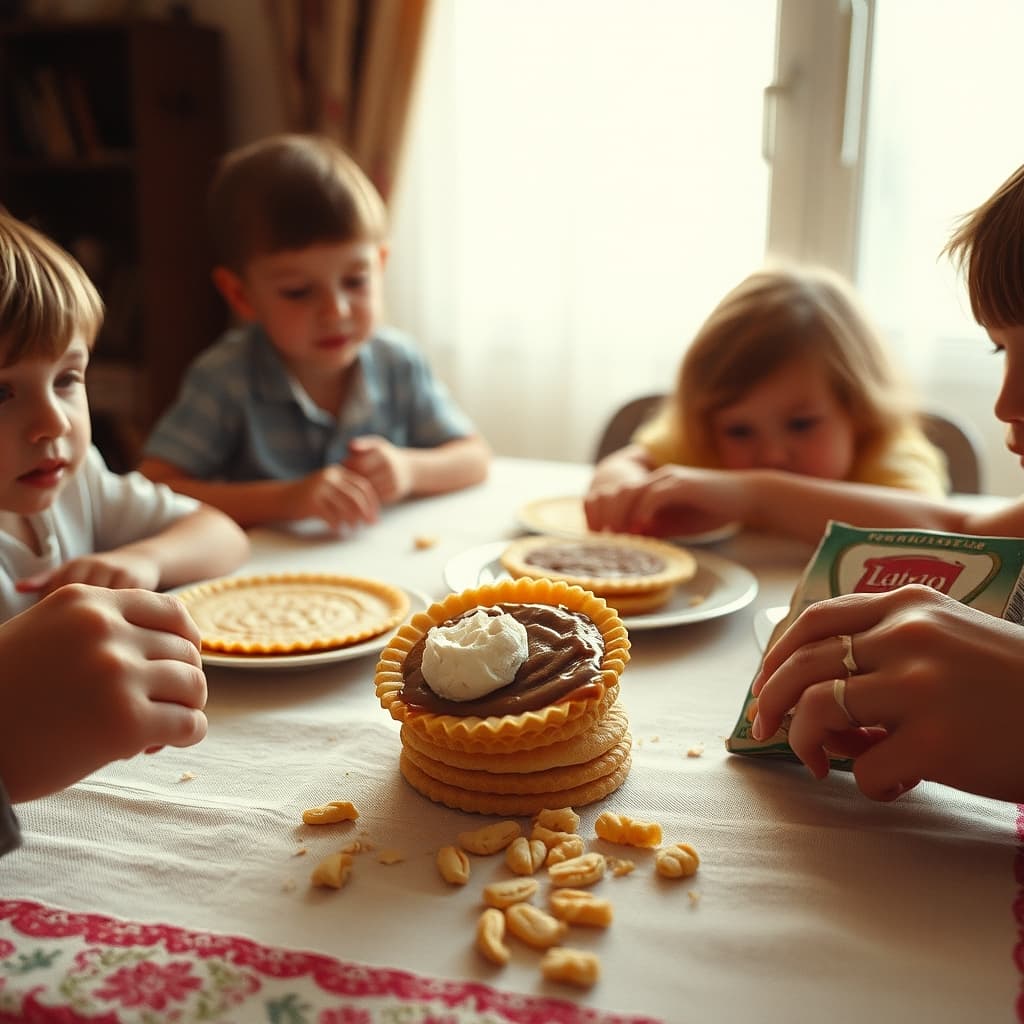
A round paper halva placed on the table looked too large for one person and too fragile for an ordinary knife. Its embossed wafer surface cracked with a dry sound, scattering crumbs before portions were even agreed. Children recognised it from fairs, seaside walks, grocers, and summer outings. At home, the simple disc became a shared dessert, especially when ice cream, tahini halva, chocolate spread, or fruit was layered between two halves.
Despite its English nickname, Turkish kâğıt helva is not paper and differs from dense sesame halva. It is a thin, crisp wafer made from a light batter whose precise ingredients and industrial methods vary by producer. The plain wafer has a delicate toasted aroma rather than a scent likely to fill an entire house. Stronger memories often come from added ice cream, cocoa, tahini, packaging, or the surrounding kitchen.
A Portable Sweet Became a Ritual
The wafer's durability made it suitable for vendors and small shops, provided it stayed dry. It could be carried to a picnic, offered after dinner, or bought as an affordable treat during a walk. Circular form encouraged division, though crisp sheets rarely broke into perfectly equal pieces. Choosing who received the larger fragment became part of the family theatre.
Street and fairground sales gave the sweet a public life. Packaging protected it from dust and humidity while providing space for colour, branding, and childhood recognition. Vendors' routes, wholesale networks, and seasonal crowds connected factories to neighbourhood consumption. A surviving wrapper can help identify manufacturer and date, but designs were reused, so packaging should be compared with catalogues, price lists, and trade records.
Fillings Changed Texture and Meaning
A home version could turn two wafers into a large sandwich. Ice cream softened the inner surface while the outer layers stayed crisp for a few minutes. Tahini halva added density; chocolate or banana made a modern variation. Assembly had to happen close to serving, because moisture quickly changed the texture. The contrast between cold cream and brittle wafer was part of the excitement.
Recipes and preferences differed. Some families ate the wafer plain and broke it by hand; others cut it with a serrated knife or assembled elaborate layers. No addition should be presented as the only authentic method. Food allergies and dietary needs also matter: labels should be checked for wheat, dairy, sesame, nuts, soya, or other ingredients, and shared utensils can cause cross-contact.
Crispness Depended on Storage
Humidity was the main enemy. Once a package opened, the wafer absorbed moisture and lost its snap. Families folded the wrapper, used a tin, or planned to finish it quickly. Broken pieces were not necessarily wasted; they could top a pudding or accompany ice cream. The habit shows an everyday economy in which imperfect portions remained edible and useful.
The dessert's affordability was relative. Price, family size, holiday travel, and access to a grocer shaped how special it felt. For one child it was a routine seaside purchase; for another it marked a rare outing. Memory often enlarges the disc and intensifies the aroma because anticipation gives food emotional scale. An archive should welcome that feeling while separating sensory recollection from claims about ingredients or production.
A Digital Nostalgia Archive can preserve wrappers, advertisements, shop photographs, price lists, factory histories, family serving methods, and interviews with vendors. Unopened old food should not be tasted; it is an object, not a safe sample. Kâğıt helva remains memorable because it turned breaking and sharing into entertainment. Its crumbs spread across the cloth, its filling demanded quick decisions, and a modest wafer briefly made the whole table pay attention.