
🇹🇷 Türkçe | Bip Sesinin Ardındaki Bekleyiş: Pager Cihazının Evin İçindeki Gerilimi
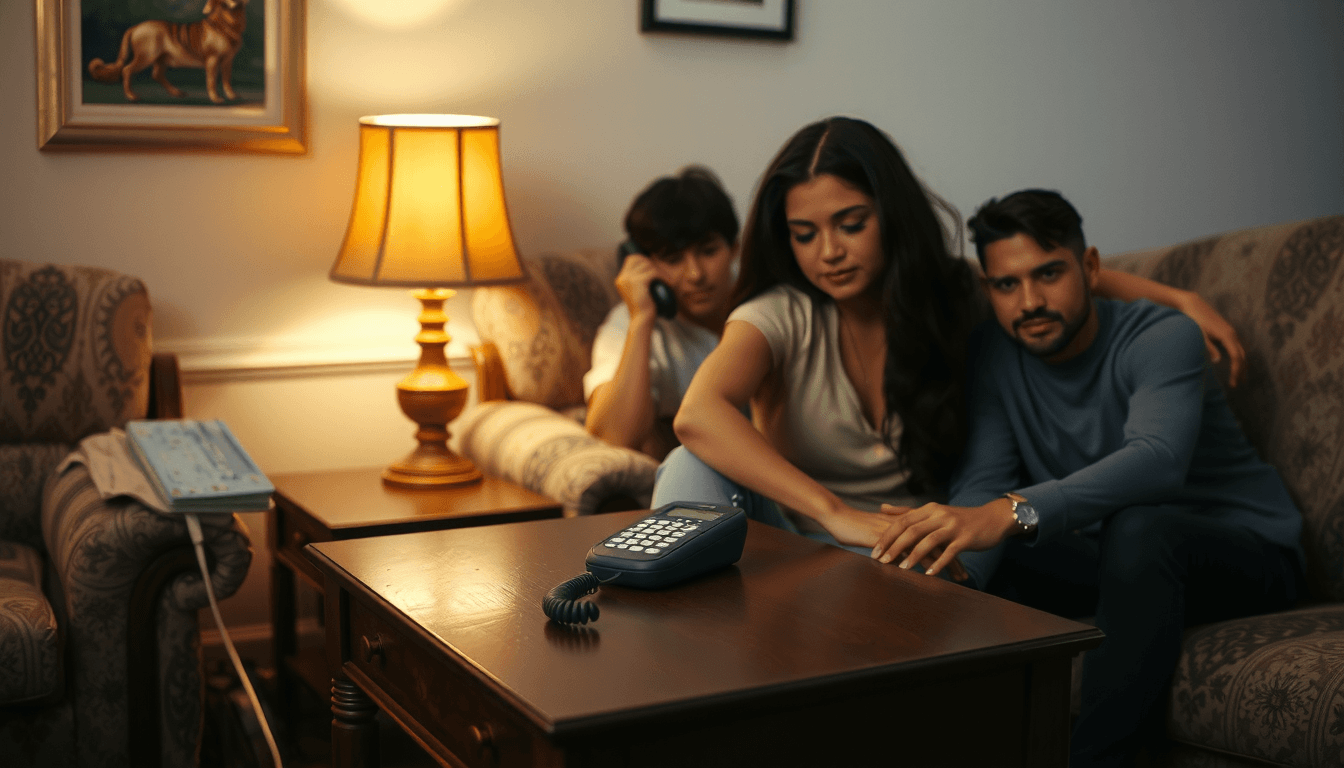
Bir zamanlar haberleşme bugünkü kadar hızlı değildi; tam da bu yüzden daha yoğun hissedilirdi. Pager cihazı çaldığında evin içinde küçük ama derin bir dalga yayılırdı. Özellikle akşam saatlerinde salonda toplanmış ailelerin arasına düşen o tekdüze bip sesi, sıradan bir akşamı bir anda dikkat kesilen bir ana dönüştürürdü. Kimin aradığı, ne için mesaj bıraktığı, geri dönüşün nereden yapılacağı, mesajın acil olup olmadığı… Hepsi birkaç saniyede zihinden geçerdi. Küçük, plastik kasalı, kemere takılan ya da sehpanın üstüne bırakılan o cihaz, bugün bakınca mütevazı görünebilir; ama analog çağın unutulmayan heyecanını tam da bu sınırlı ama etkili varlığıyla anlatıyordu.
Pager’ın kültürel önemi, iletişimi yalnız pratik bir aktarım olmaktan çıkarıp beklentiyle örülü bir deneyime dönüştürmesindeydi. Cep telefonunun sürekli erişilebilirliği henüz yokken, birine ulaşmak ve ondan haber almak kesintili bir ritme bağlıydı. Bu yüzden pager cihazı haberin kendisi kadar haberin geliş anını da önemli kılardı. Doktorlardan iş insanlarına, saha çalışanlarından nöbet tutan meslek gruplarına kadar pek çok kişi için pager profesyonel hayatın vazgeçilmez parçasıydı; ama ev içinde onun anlamı daha da başkaydı. Cihaz çaldığında salondaki herkes bir an için susar, gözler sahibine döner, bazen çocuklar bile bir şeylerin değiştiğini sezerdi. Teknoloji, aile ortamına böylece görünmez bir gerilim ve merak duygusu taşırdı.
Bu cihazın unutulmayan yanı biraz da mühendisliğinin gündelik hayata doğrudan hissedilmesidir. Küçük ekran, sınırlı karakterler, bazen yalnızca numara gösteren yapı, kullanıcıyı eksik bilgiyle harekete geçmeye zorlar, iletişimi tamamlamak için ikinci bir adım gerektirirdi. Yani pager tek başına sonuca ulaşan bir cihaz değil, bir eşikti. Telefon kulübesi bulmak, sabit hattan geri dönmek, kısa bir notu doğru yorumlamak bu teknolojinin doğal uzantılarıydı. Bugün neredeyse kusursuz görünen iletişim araçlarına alışkın olanlar için bu zahmet eksiklik gibi durabilir; ama o dönemde bu süreç, haberin ağırlığını artırıyor, onu daha dikkatle ele alınan bir şeye dönüştürüyordu. Bir bip sesi bazen bütün akşamın yönünü değiştirebilirdi.
Pager cihazının teknoloji mirası içindeki yeri de burada başlar. O, analog ile dijital arasındaki geçişin küçük ama çok anlamlı simgelerinden biridir. Tam anlamıyla eski dünyanın yavaşlığına ait değildir, ama bugünün kesintisiz bağlantısına da ulaşmamıştır. Arada durur ve tam bu yüzden hafızada güçlü kalır. Salonda toplanan ailelerin sessiz heyecanı, o bip sesinin ardından büyüyen kısa bekleyiş ve geri dönüş için yapılan küçük telaş, geçmişin iletişim kültürünü anlamak için çok şey söyler. Pager bize şunu hatırlatır: Teknoloji yalnızca hız değil, bazen bekleme biçimidir; yalnızca bağlantı değil, bağlantı kurulmadan önceki ortak sessizliktir. Analog çağın unutulmayan heyecanı da biraz bu ortak sessizlikte saklıdır.
🇬🇧 English | The Waiting Behind the Beep: The Pager’s Tension Inside the Home
There was a time when communication was not nearly as fast as it is today, and precisely for that reason it was felt more intensely. When a pager sounded, a small but deep ripple spread through the home. Especially in the evening, when families had gathered in the living room, that single monotonous beep could transform an ordinary night into a moment of sudden attention. Who had called, why they had left a message, where the return call should be made, whether it was urgent: all of this flashed through the mind within seconds. The device itself, small, plastic, clipped to a belt or left on a side table, may appear modest today, but it carried the unforgettable thrill of the analog age precisely through its limited yet powerful presence.
The pager’s cultural significance lay in turning communication from a merely practical transfer into an experience woven with anticipation. Before mobile phones made constant reachability normal, receiving news depended on interruptions and intervals. That made the arrival of a message as meaningful as the message itself. For doctors, businesspeople, field workers, and those on duty, the pager was an indispensable part of professional life, yet inside the home it held another meaning altogether. When it beeped, conversation in the living room paused, eyes turned toward its owner, and even children sensed that something had shifted. Technology entered the family setting carrying with it a quiet tension and a shared curiosity.
Part of what made the pager memorable was how directly its engineering shaped daily life. The small display, limited number of characters, and sometimes number-only alerts forced the user to act on incomplete information and required a second step to complete the communication. The pager was not a device that delivered closure by itself; it was a threshold. Finding a payphone, returning the call from a landline, interpreting a brief numeric message correctly: these were natural extensions of the technology. To those accustomed to nearly frictionless communication today, that inconvenience may seem like a flaw. Yet in its own time, the process gave news more weight and made it something to be handled with care. A single beep could change the direction of an entire evening.
This is also where the pager’s place in technological heritage begins. It is one of the small but meaningful symbols of the transition between analog and digital life. It does not fully belong to the slowness of the old world, yet it does not reach the uninterrupted connectivity of the present either. It stands between them, and that is exactly why it remains strong in memory. The silent excitement of families gathered in the living room, the brief waiting that followed the beep, and the small rush to return the message tell us much about the communication culture of the recent past. The pager reminds us that technology is not only speed; sometimes it is a form of waiting. It is not only connection, but the shared silence just before connection happens. The unforgettable thrill of the analog age is hidden in that silence.
🇧🇷 Português (Brasil) | A Espera por Trás do Bip: A Tensão do Pager Dentro de Casa
Houve um tempo em que a comunicação não era tão rápida quanto hoje e, justamente por isso, era sentida com mais intensidade. Quando um pager tocava, uma pequena mas profunda onda atravessava a casa. Especialmente à noite, com a família reunida na sala, aquele bip único e repetitivo transformava um serão comum num instante de atenção total. Quem chamou, por que deixou a mensagem, de onde seria preciso retornar, se havia urgência ou não… tudo isso passava pela cabeça em poucos segundos. O aparelho, pequeno, de plástico, preso ao cinto ou deixado sobre a mesa, pode parecer modesto hoje, mas carregava a emoção inesquecível da era analógica exatamente por sua presença limitada e, ao mesmo tempo, poderosa.
A importância cultural do pager estava em transformar a comunicação de algo apenas prático em uma experiência cercada de expectativa. Antes dos celulares tornarem normal a possibilidade de acesso contínuo, receber notícias dependia de interrupções e intervalos. Por isso, a chegada da mensagem era quase tão importante quanto seu conteúdo. Para médicos, executivos, trabalhadores de campo e profissionais de plantão, o pager era parte indispensável da vida de trabalho; mas dentro de casa seu significado era ainda mais particular. Quando ele tocava, a conversa na sala parava, os olhares se voltavam para seu dono e até as crianças percebiam que algo havia mudado. A tecnologia entrava no ambiente familiar levando consigo uma tensão silenciosa e uma curiosidade compartilhada.
Parte do que tornava esse aparelho inesquecível era a forma como sua engenharia moldava diretamente o cotidiano. A pequena tela, o número limitado de caracteres e, às vezes, os alertas apenas numéricos obrigavam o usuário a agir com informações incompletas e exigiam um segundo passo para completar a comunicação. O pager não era um aparelho que resolvia tudo sozinho; era um limiar. Encontrar um telefone público, retornar a chamada de uma linha fixa, interpretar corretamente uma mensagem curta: tudo isso fazia parte natural da tecnologia. Para quem está acostumado com a comunicação quase sem atrito de hoje, isso pode parecer falha. Mas, naquela época, o processo dava mais peso à notícia e a transformava em algo tratado com atenção. Um único bip podia mudar o rumo de toda uma noite.
É exatamente aí que começa o lugar do pager no patrimônio tecnológico. Ele é um dos símbolos pequenos, mas muito expressivos, da transição entre a vida analógica e a digital. Não pertence totalmente à lentidão do velho mundo, mas também ainda não alcança a conectividade contínua do presente. Fica no meio, e por isso permanece tão vivo na memória. A emoção silenciosa das famílias reunidas na sala, a breve espera que seguia o bip e a pequena correria para responder dizem muito sobre a cultura da comunicação de um passado recente. O pager nos lembra que tecnologia não é apenas velocidade; às vezes, é uma forma de espera. Não é apenas conexão, mas o silêncio partilhado que antecede a conexão. A emoção inesquecível da era analógica está um pouco escondida nesse silêncio.
