
Skip to content

Eski Pano

🇹🇷 Geçmişin güzelliğini keşfedin 🇬🇧 Exploring the beauty of the past 🇧🇷 Explorando a beleza do passado

Menu
  • Hakkımızda | About Us | Sobre Nós
  • İletişim | Contact | Contato
Menu

Eski Bavul Ve Anneanne Evinin Değişmeyen Köşesi: Ustalık Ve Sabrın İzini Neden Hâlâ Taşıyor | The Old Suitcase And The Unchanging Corner Of Grandmother’s House: Why It Still Carries The Marks Of Craftsmanship And Patience | A Mala Antiga E O Canto Imutável Da Casa Da Avó: Por Que Ainda Carrega As Marcas Da Habilidade E Da Paciência

Posted on 12/03/202611/03/2026 by admin

🇹🇷 Türkçe | Kilidin Sessizliği, Derinin Yorgunluğu: Eski Bavulun Evde Kalan Hikâyesi

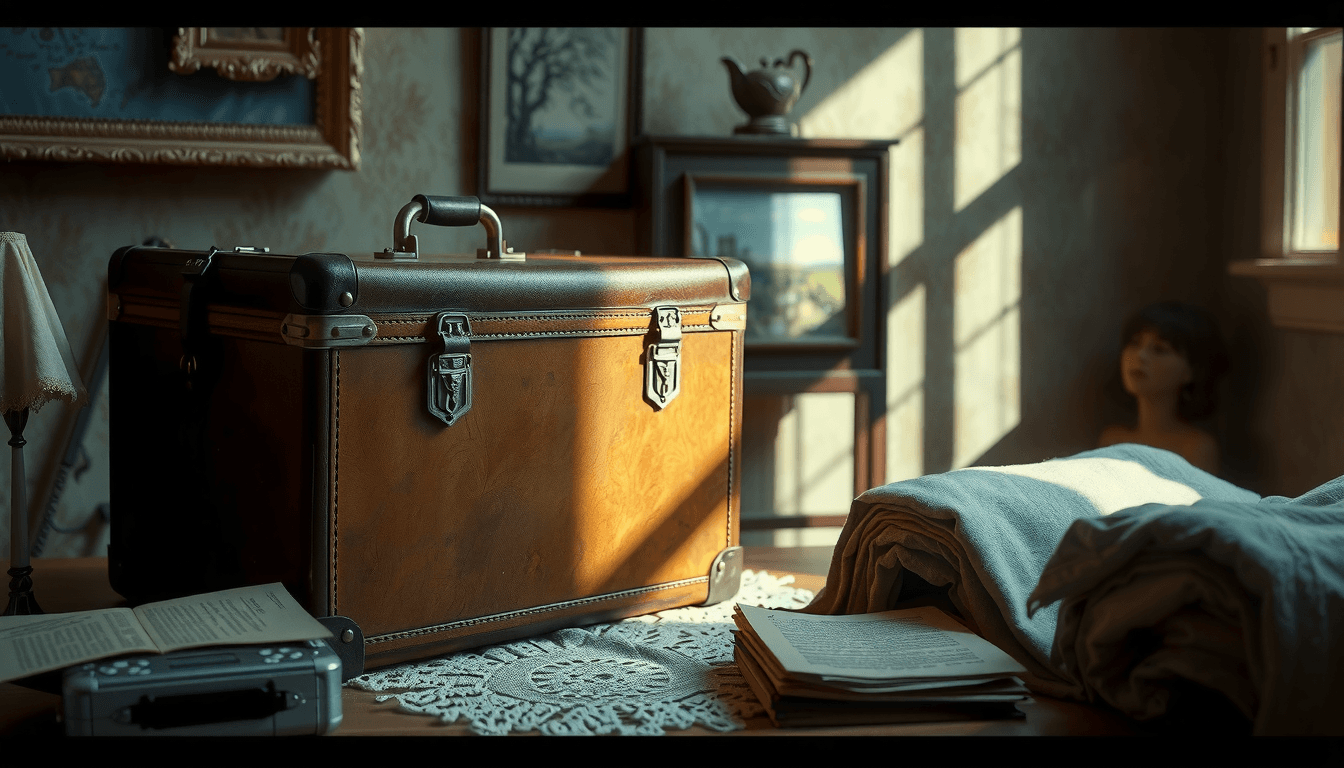
Anneanne evlerinde bazı köşeler hiç değişmezdi. Perdenin kıvrımı, vitrinin dizilişi, duvardaki saat kadar, odanın bir yanında duran eski bavul da o değişmeyen düzenin parçası olurdu. Kimi zaman yatağın altında, kimi zaman dolabın yanında, kimi zaman üstüne dantel örtü serilmiş bir sehpaya dönüşmüş hâlde… Eski bavulun orada bulunması bir tesadüf değil, yılların yerleştirdiği sessiz bir karardı. O yalnız yolculuğa çıkmak için yapılmış bir eşya değildi artık; bir evin saklama biçimini, sabrını, el emeğine duyduğu saygıyı ve geçmişi atmaya kıyamayan mizacını anlatan bir objeye dönüşmüştü. Nostalji meraklıları için bugün bile hemen dikkat çekmesinin nedeni tam da bu yoğun hikâye taşıma hâlidir.

Eski bavulların ustalık izini taşıması, önce yapılarından anlaşılır. Kalın deri ya da sert karton gövde, metal köşebentler, sağlam kilitler, elde dikilmiş kulplar ve iç kaplamadaki özen… Bunların her biri yalnız dayanıklılık için değil, uzun ömür için yapılmıştı. Bir bavulun yıllarca kullanılabileceği varsayılırdı; tren yolculuklarına, otobüs bekleyişlerine, gurbet dönüşlerine, yazlık eve gidişlere dayanması beklenirdi. Bu yüzden üretimi de aceleci değildi. Malzeme kadar işçilik de görünürdü. Bugün plastik valizlerin çabuk ama ruhsuz konforuna alışmış gözler için bu ağır gövdeler eski moda görünebilir. Oysa onları özel kılan şey tam da hız çağından önce üretilmiş olmalarıdır: Sabırla yapılmış, yıprandıkça da karakter kazanmış olmaları.

Anneanne evinin değişmeyen köşesinde duran bavul, zamanla yolculuktan çok hatıraya hizmet etmeye başlardı. İçinde eski fotoğraflar, mektuplar, dantel parçaları, bayramlık kumaşlar, çocukluk defterleri ya da “bir gün lazım olur” denerek ayrılmış küçük eşyalar bulunurdu. Yani bavul, hareketin değil, birikimin nesnesine dönüşürdü. Onu açmak başlı başına bir törendi; metal kilidin sesi, içinden yükselen eski kumaş kokusu ve kat kat yerleştirilmiş eşyaların görünmesi, geçmişin elle tutulur hâline benzerdi. Bu yüzden o bavul yalnız bir yolculuk aracı değil, evin arşiviydi. Ustalık ve sabrın izi de burada yeniden belirirdi: Hem onu üreten ellerde hem de yıllarca içini düzenleyip koruyan ev sahibinin tavrında.

Bugün eski bavulun hâlâ etkileyici gelmesi, bize eşya ile kurulan ilişkinin nasıl değiştiğini gösteriyor. Artık birçok nesne kısa süreli kullanım için yapılıyor; oysa bavul gibi objeler bir ömür sürsün, yıpransa da dursun, işlevi değişse de evde kalsın diye üretilmişti. Anneanne evindeki köşesini yıllarca koruması, sadece mekânsal bir alışkanlık değil, kültürel bir tavırdı: Kullanılmış olana sadakat, eskimiş olana saygı ve emek verilmiş olana minnet. Bu yüzden o bavul bugün hâlâ ustalık ve sabrın izini taşır. Çünkü o iz, yalnız derideki aşınmada değil; bir eşyanın kolayca vazgeçilmeden nasıl yaşatıldığında da görünür.


🇬🇧 English | The Silence of the Lock, the Fatigue of the Leather: The Old Suitcase Left Behind in the Home

In grandmother’s houses, some corners never changed. Just like the fold of the curtain, the arrangement of the glass cabinet, or the clock on the wall, the old suitcase standing quietly in one part of the room belonged to that same lasting order. Sometimes it rested beneath a bed, sometimes beside a wardrobe, and sometimes it even became a makeshift side table with a lace cloth draped over it. Its presence there was not an accident, but a silent decision made by years. The suitcase was no longer simply an object made for travel. It had become a thing that spoke of how a household stored its life, how it respected handwork, how it practiced patience, and how reluctant it was to throw away the past. That is precisely why it still attracts the attention of nostalgia lovers today.

The marks of craftsmanship carried by old suitcases are first visible in their construction. Thick leather or stiff cardboard bodies, metal corner protectors, sturdy locks, hand-stitched handles, and carefully lined interiors were all made not merely for durability, but for longevity. A suitcase was expected to last through train journeys, bus station waits, returns from distant cities, and summers spent away from home. Its making was never rushed. The work was as visible as the material. To eyes accustomed to the fast but characterless convenience of modern plastic luggage, these heavy cases may seem outdated. Yet what makes them special is precisely that they come from a time before speed ruled every object: they were made patiently, and they acquired more character as they aged.

In the unchanged corner of grandmother’s house, the suitcase gradually served memory more than movement. Inside it might be found old photographs, letters, lace pieces, holiday fabrics, school notebooks, or small objects saved because “they may be useful one day.” The suitcase became an object of accumulation rather than travel. Opening it was a small ceremony. The sound of the metal lock, the scent of aged fabric rising from inside, the sight of carefully layered belongings: all of it made the past feel tangible. For that reason, the suitcase was not just a vehicle of travel, but the household archive. The traces of craftsmanship and patience appeared again here, both in the hands that originally made it and in the habits of the person who spent years arranging and protecting what it held.

That the old suitcase still feels meaningful today tells us something about how our relationship with objects has changed. Many things are now made for brief use, while objects like the suitcase were made to last a lifetime, to remain in the home even after their purpose had shifted. Its long-kept place in grandmother’s house was not only a spatial habit, but a cultural one: loyalty to what had been used, respect for what had aged, gratitude toward what had required labor. That is why the old suitcase still carries the marks of craftsmanship and patience. Those marks are not visible only in worn leather or dented corners, but in the fact that an object was allowed to continue living instead of being easily abandoned.


🇧🇷 Português (Brasil) | O Silêncio do Fecho, o Cansaço do Couro: A História da Mala Antiga que Ficou na Casa

Nas casas de avó, alguns cantos nunca mudavam. Assim como a dobra da cortina, a arrumação da cristaleira ou o relógio na parede, a mala antiga colocada num lado do quarto fazia parte dessa ordem duradoura. Às vezes ficava debaixo da cama, às vezes ao lado do armário, e às vezes até servia de apoio com uma toalhinha de renda por cima. Sua presença ali não era acaso, mas uma decisão silenciosa tomada pelos anos. A mala já não era apenas um objeto feito para viajar. Tornara-se uma peça que falava da forma como a casa guardava a vida, respeitava o trabalho manual, praticava a paciência e evitava se desfazer do passado. É exatamente por isso que ainda hoje chama a atenção de quem gosta de nostalgia.

As marcas de habilidade presentes nas malas antigas aparecem primeiro na sua construção. Corpos de couro grosso ou papelão rígido, cantoneiras metálicas, fechos firmes, alças costuradas à mão e forros internos bem cuidados eram feitos não apenas para resistência, mas para durar muito tempo. Esperava-se que uma mala atravessasse viagens de trem, esperas em rodoviárias, retornos de longe e temporadas em casas de verão. Sua fabricação não era apressada. O trabalho era tão visível quanto o material. Para olhos acostumados ao conforto rápido, porém sem alma, das malas plásticas modernas, essas peças pesadas podem parecer antigas demais. Mas é justamente isso que as torna especiais: foram criadas antes de a pressa dominar os objetos, com paciência, e ganharam mais caráter à medida que envelheciam.

No canto imutável da casa da avó, a mala passou a servir mais à memória do que ao deslocamento. Dentro dela podiam estar fotografias antigas, cartas, rendas, tecidos de festa, cadernos de infância ou pequenos objetos guardados porque “um dia podem servir”. A mala tornou-se objeto de acúmulo, não de movimento. Abri-la era uma pequena cerimônia. O som do fecho metálico, o cheiro de tecido antigo subindo de dentro, a visão dos pertences organizados em camadas faziam o passado parecer tangível. Por isso, a mala não era apenas instrumento de viagem, mas arquivo da casa. As marcas de habilidade e de paciência reapareciam aí: tanto nas mãos que a produziram quanto no cuidado da pessoa que, durante anos, organizou e protegeu o que havia dentro dela.

O fato de a mala antiga ainda nos tocar hoje mostra como a relação com os objetos mudou. Muitas coisas agora são feitas para uso breve, enquanto peças como essa eram feitas para durar uma vida inteira e permanecer na casa mesmo depois de perder a função original. O lugar fixo que ela manteve por anos na casa da avó não era apenas um hábito espacial, mas uma atitude cultural: fidelidade ao que já foi usado, respeito ao que envelheceu e gratidão pelo que exigiu trabalho. É por isso que a mala antiga ainda carrega as marcas da habilidade e da paciência. Essas marcas não aparecem apenas no couro gasto ou nas quinas amassadas, mas no fato de um objeto ter sido mantido vivo em vez de ser facilmente descartado.


Category: Obje Hikayeleri / Object Stories / Histórias de Objetos

Yazı gezinmesi

← Salonda Toplanan Ailelerin Sessiz Heyecanı Ve Pager Cihazı: Analog Çağın Unutulmayan Heyecanını Anlatıyor | The Silent Excitement Of Families Gathered In The Living Room And The Pager Device: Telling The Unforgettable Thrill Of The Analog Age | A Emoção Silenciosa Das Famílias Reunidas Na Sala E O Pager: Contando A Inesquecível Excitação Da Era Analógica
Ayakkabı Boyacısının Köşe Nöbeti Neden Eski Şehir Hayatının Kalbinde Yer Etti | Why The Shoeshiner’s Watch On The Corner Held A Place At The Heart Of Old City Life | Por Que A Vigília Do Engraxate Na Esquina Ocupou O Coração Da Antiga Vida Urbana →

Bir yanıt yazın Yanıtı iptal et

E-posta adresiniz yayınlanmayacak. Gerekli alanlar * ile işaretlenmişlerdir

🇹🇷 Retro, Tarih ve Nostaljik Hikayeler
🇬🇧 Retro, History & Vintage Stories
🇧🇷 Histórias Retro, Históricas e Vintage

Son Yazılar | Recent Posts | Postagens recentes

  • Fırın Sütlaç Günleri: Unutulan Mutfak Alışkanlıklarını Nasıl Geri Çağırıyor | Baked Rice Pudding Days: How They Call Back Forgotten Kitchen Habits | Os Dias Do Arroz-Doce De Forno: Como Fazem Voltar Hábitos Esquecidos Da Cozinha
  • Ayakkabı Boyacısının Köşe Nöbeti Neden Eski Şehir Hayatının Kalbinde Yer Etti | Why The Shoeshiner’s Watch On The Corner Held A Place At The Heart Of Old City Life | Por Que A Vigília Do Engraxate Na Esquina Ocupou O Coração Da Antiga Vida Urbana
  • Eski Bavul Ve Anneanne Evinin Değişmeyen Köşesi: Ustalık Ve Sabrın İzini Neden Hâlâ Taşıyor | The Old Suitcase And The Unchanging Corner Of Grandmother’s House: Why It Still Carries The Marks Of Craftsmanship And Patience | A Mala Antiga E O Canto Imutável Da Casa Da Avó: Por Que Ainda Carrega As Marcas Da Habilidade E Da Paciência
  • Salonda Toplanan Ailelerin Sessiz Heyecanı Ve Pager Cihazı: Analog Çağın Unutulmayan Heyecanını Anlatıyor | The Silent Excitement Of Families Gathered In The Living Room And The Pager Device: Telling The Unforgettable Thrill Of The Analog Age | A Emoção Silenciosa Das Famílias Reunidas Na Sala E O Pager: Contando A Inesquecível Excitação Da Era Analógica
  • Sokak Lambalarının Altında Büyüyen Anılarda Bayram Sabahlarının Şehri Erkenden Uyandırdığı Yıllar: Unutulan Ayrıntılarıyla Bize Ne Söylüyor İnce Hırkalı Günler | In Memories Grown Beneath Street Lamps, The Years When Holiday Mornings Woke The City Early: What Do Those Cardigan-Light Days Tell Us Through Their Forgotten Details? | Nas Lembranças Crescidas Sob Os Postes De Rua, Os Anos Em Que As Manhãs De Festa Acordavam A Cidade Cedo: O Que Esses Dias De Casaco Leve Ainda Nos Dizem Por Meio De Detalhes Esquecidos?

Son Yorumlar | Recent Comments | Comentários recentes

  1. fjuleir - Gazoz Kapaklarından Koleksiyonlara | Treasures of the Street: Soda Caps | Tesouros de Rua: Tampinhas de Garrafa
  2. nerpev - Kadifeden Atlasa: Sandık Mirası | Velvet and Silk: The Legacy of Hope Chests | Veludo e Seda: O Legado dos Baús de Enxoval

Arşivler | Archives | Arquivos

  • Mart 2026
  • Şubat 2026

Kategoriler | Categories | Categorias

  • Damak Hafızası / Taste of Memory / Memória do Paladar
  • Mahalle Kültürü / Neighborhood Culture / Cultura do Bairro
  • Obje Hikayeleri / Object Stories / Histórias de Objetos
  • Teknoloji Mirası / Tech Heritage / Herança Tecnológica
  • Uncategorized
  • Zamanın İzinde / Traces of Time / Trilhas do Tempo
  • Gizlilik Politikası | Privacy Policy | Política de Privacidade
  • Hakkımızda | About Us | Sobre Nós
  • İletişim | Contact | Contato
  • Site Haritası | Sitemap | Mapa do site
© 2026 Eski Pano | Powered by Minimalist Blog WordPress Theme