
Skip to content

Eski Pano

🇹🇷 Geçmişin güzelliğini keşfedin 🇬🇧 Exploring the beauty of the past 🇧🇷 Explorando a beleza do passado

Menu
  • Hakkımızda | About Us | Sobre Nós
  • İletişim | Contact | Contato
Menu

Ayakkabı Boyacısının Köşe Nöbeti Neden Eski Şehir Hayatının Kalbinde Yer Etti | Why The Shoeshiner’s Watch On The Corner Held A Place At The Heart Of Old City Life | Por Que A Vigília Do Engraxate Na Esquina Ocupou O Coração Da Antiga Vida Urbana

Posted on 12/03/202611/03/2026 by admin

🇹🇷 Türkçe | Kaldırımın Üzerindeki Sabır: Ayakkabı Boyacısının Şehirle Kurduğu Bağ

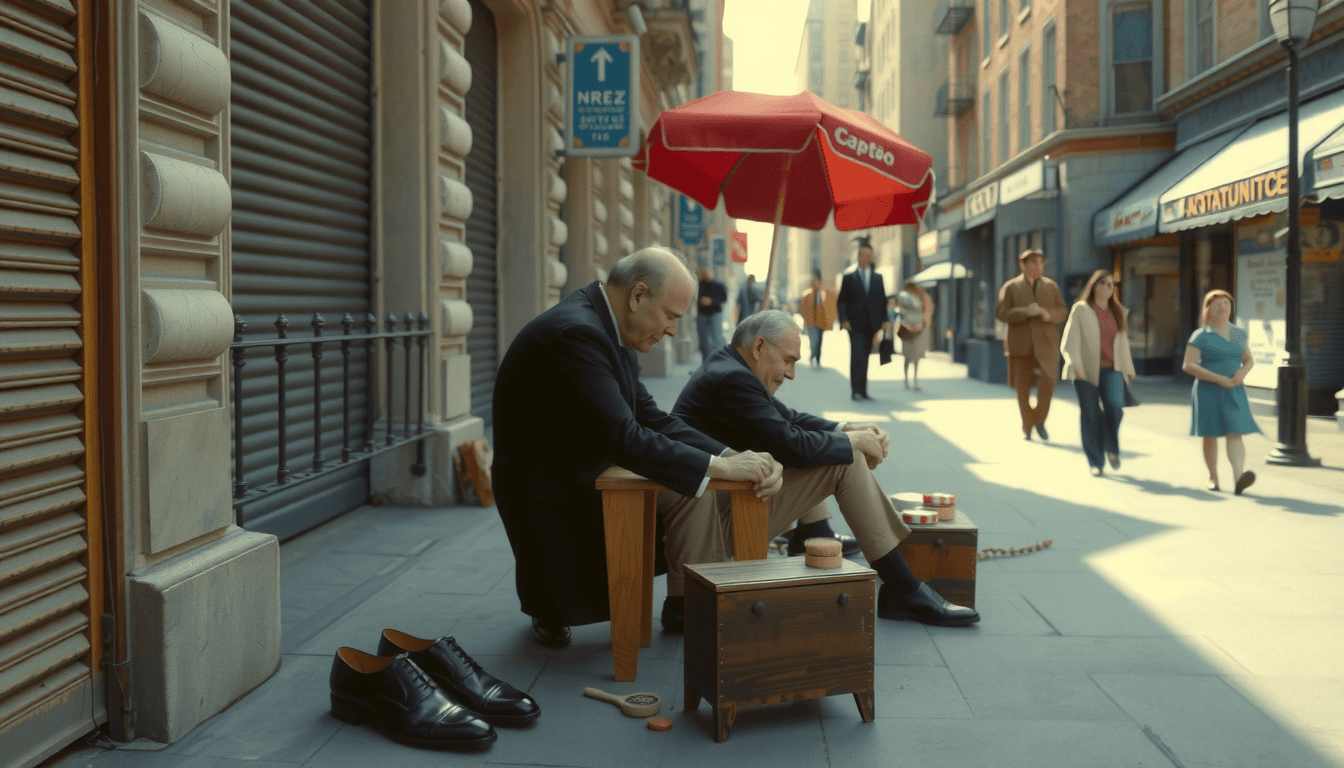
Eski şehir hayatında bazı insanlar bir yere ait olmaktan çok, o yerin kendisi gibi hissedilirdi. Ayakkabı boyacısı da bunlardan biriydi. Her gün aynı köşede, aynı taburenin yanında, cila kutuları, fırçaları ve ayakkabı kalıbıyla bekleyen bu sessiz emek sahibi, yalnız bir hizmet sunmazdı; şehrin ritmini görünür kılardı. Sabah işe giden memurun telaşı, öğle vakti esnafın soluklanması, okul çıkışında acele eden gençlerin adımları, akşamüstü ağırlaşan cadde… Hepsi onun önünden geçerdi. O yüzden ayakkabı boyacısının köşe nöbeti yalnız bir meslek pratiği değil, eski şehrin gündelik akışına tutunmuş canlı bir işaretti.

Ayakkabı boyacısının bu kadar merkezde oluşu, biraz da şehir hayatının yürümeye dayalı oluşundandı. İnsanlar sokakta daha çok vakit geçirir, ayakkabı görünür bir temsil aracına dönüşürdü. Parlak bir ayakkabı, iş ciddiyetini, bayram temizliğini, özenli giyinmeyi ve kamusal hayata saygıyı simgelerdi. Boyacı bu yüzden yalnız kiri silen biri değil, görünüşü tamamlayan son dokunuşun sahibiydi. Ama onun önemi bununla bitmezdi. Köşede beklemek, şehri izlemek demekti; şehri izlemek ise insanları tanımak, yüzleri ayırmak, mahalle ile cadde arasındaki geçişleri okumak demekti. Ayakkabı boyacısı çoğu zaman sessizdi ama şehir hakkında çok şey bilirdi.

Bu nöbetin kültürel anlamı, küçük esnafın eski şehir hayatındaki vazgeçilmez yerini de anlatır. Büyük dükkânların, kapalı merkezlerin ve hızla tüketilen hizmet anlayışının öncesinde, sokakta kurulan emek daha doğrudan ve daha görünürdü. Bir tabureye oturup ayakkabı boyatmak birkaç dakikalık bir bakım hizmetinden çok daha fazlasıydı. O kısa sürede hava konuşulur, gazete başlığı anılır, maç sonucu yorumlanır, bazen yalnızca sessizce çevre izlenirdi. Yani ayakkabı boyacısı şehrin hem çalışkan hem de gözlemci yüzlerinden biriydi. Onun köşesi, rastlantısal karşılaşmaların, kısa sohbetlerin ve şehrin kendini ağır ağır yeniden üretmesinin mekânıydı.

Bugün ayakkabı boyacısının eski şehir hayatının kalbinde yer etmiş görünmesi boşuna değil. Çünkü o figür, emek ile kamusal alanın birbirinden kopmadığı bir zamanı temsil ediyor. Şehir o zaman daha yakın, daha yürünebilir, daha yüz yüze yaşanıyordu. Bir köşede gün boyu duran boyacı, yalnız ayakkabıları değil, kamusal hayatın görünür düzenini de parlatıyordu sanki. Onu hatırlamak, yalnız bir mesleği değil, bir şehrin nasıl işlediğini, nasıl selam verdiğini, nasıl durup soluklandığını hatırlamaktır. Kaldırımın üzerindeki bu sabır, geçmişin neden daha insan sıcaklığında göründüğünü anlatan en küçük ama en güçlü sahnelerden biridir.


🇬🇧 English | Patience on the Pavement: The Bond Between the Shoeshiner and the City

In old city life, some people seemed less like individuals attached to a place and more like part of the place itself. The shoeshiner was one of them. Waiting every day on the same corner, beside the same stool, with polish tins, brushes, and shoe rests, this quiet worker offered more than a service. He made the city’s rhythm visible. The hurry of clerks on their way to work, the midday pause of shopkeepers, the quick steps of students after school, the slower cadence of the avenue toward evening: all of it passed before him. That is why the shoeshiner’s watch on the corner was more than an occupational routine. It was a living sign fastened to the ordinary flow of the old city.

The shoeshiner held such a central place partly because city life depended more on walking. People spent more time in the street, and shoes became visible markers of care, seriousness, and public presence. A polished shoe could suggest professional dignity, holiday cleanliness, careful dressing, and respect for appearing in shared space. The shoeshiner was therefore not only someone who removed dirt, but someone who completed the final gesture of presentation. Yet his importance went beyond this. To wait on the corner was to observe the city, and to observe the city was to learn faces, separate routines, and read the transitions between neighborhood and avenue. The shoeshiner was often quiet, but he knew much about the life unfolding around him.

The cultural meaning of this corner watch also tells us about the indispensable place of small tradesmen in old urban life. Before large commercial centers and fast, impersonal service culture took over, labor set up in the open street was more direct and more visible. Sitting down on a stool for a shine was not merely a few minutes of maintenance. In that short pause, people might discuss the weather, mention a newspaper headline, comment on a football result, or simply watch the surroundings in silence. The shoeshiner was one of the city’s hardworking and observant faces. His corner was a place of accidental encounters, brief exchanges, and the slow reproduction of city life itself.

There is a reason the shoeshiner appears to occupy the heart of old city life in memory. He represents a time when labor and public space had not yet been separated from one another. The city was closer, more walkable, and more face to face. Standing at the corner all day, the shoeshiner seemed to polish not only shoes, but the visible order of public life itself. To remember him is not merely to remember a profession, but to remember how a city functioned, how it greeted, how it paused and caught its breath. That patience on the pavement is one of the smallest yet strongest scenes explaining why the past appears warmer in human terms.


🇧🇷 Português (Brasil) | A Paciência na Calçada: O Vínculo entre o Engraxate e a Cidade

Na antiga vida urbana, algumas pessoas pareciam menos ligadas a um lugar e mais parte do próprio lugar. O engraxate era uma delas. Todos os dias, no mesmo canto, ao lado do mesmo banquinho, com latas de graxa, escovas e apoio para o pé, esse trabalhador silencioso oferecia mais do que um serviço. Ele tornava visível o ritmo da cidade. A pressa do funcionário indo para o trabalho, a pausa do comerciante ao meio-dia, os passos rápidos dos estudantes saindo da escola, o movimento mais lento da avenida no fim da tarde… tudo passava diante dele. Por isso, a vigília do engraxate na esquina era mais do que rotina profissional. Era um sinal vivo preso ao fluxo cotidiano da velha cidade.

O fato de o engraxate ocupar lugar tão central tem a ver também com uma vida urbana mais baseada em caminhar. As pessoas passavam mais tempo na rua, e os sapatos se tornavam sinais visíveis de cuidado, seriedade e presença pública. Um sapato bem engraxado podia representar dignidade profissional, limpeza de dia festivo, gosto ao vestir e respeito pelo espaço compartilhado. O engraxate, então, não era apenas quem tirava a sujeira, mas quem finalizava o gesto de apresentação. E sua importância não parava aí. Esperar na esquina significava observar a cidade; observar a cidade significava conhecer rostos, distinguir rotinas e ler as passagens entre o bairro e a avenida. O engraxate falava pouco, mas sabia muito sobre a vida ao redor.

O sentido cultural dessa vigília também revela o lugar indispensável do pequeno trabalhador na antiga vida urbana. Antes dos grandes centros comerciais e dos serviços rápidos e impessoais, o trabalho instalado na rua era mais direto e mais visível. Sentar-se por alguns minutos para engraxar os sapatos não era apenas manutenção. Nesse breve intervalo, falava-se do tempo, comentava-se uma manchete, lembrava-se o resultado de um jogo ou apenas se observava o movimento em silêncio. O engraxate era um dos rostos mais trabalhadores e atentos da cidade. Sua esquina era espaço de encontros fortuitos, trocas breves e da lenta renovação da própria vida urbana.

Há um motivo para que o engraxate apareça na memória como parte do coração da antiga cidade. Ele representa um tempo em que trabalho e espaço público ainda não haviam se separado. A cidade era mais próxima, mais caminhável e mais vivida face a face. Parado na esquina o dia inteiro, o engraxate parecia dar brilho não apenas aos sapatos, mas também à ordem visível da vida comum. Lembrá-lo não é apenas lembrar uma profissão, mas recordar como a cidade funcionava, como cumprimentava e como parava para respirar. Essa paciência na calçada é uma das cenas menores e, ao mesmo tempo, mais fortes para explicar por que o passado parece mais humano e mais quente.


Category: Mahalle Kültürü / Neighborhood Culture / Cultura do Bairro

Yazı gezinmesi

← Eski Bavul Ve Anneanne Evinin Değişmeyen Köşesi: Ustalık Ve Sabrın İzini Neden Hâlâ Taşıyor | The Old Suitcase And The Unchanging Corner Of Grandmother’s House: Why It Still Carries The Marks Of Craftsmanship And Patience | A Mala Antiga E O Canto Imutável Da Casa Da Avó: Por Que Ainda Carrega As Marcas Da Habilidade E Da Paciência
Fırın Sütlaç Günleri: Unutulan Mutfak Alışkanlıklarını Nasıl Geri Çağırıyor | Baked Rice Pudding Days: How They Call Back Forgotten Kitchen Habits | Os Dias Do Arroz-Doce De Forno: Como Fazem Voltar Hábitos Esquecidos Da Cozinha →

Bir yanıt yazın Yanıtı iptal et

E-posta adresiniz yayınlanmayacak. Gerekli alanlar * ile işaretlenmişlerdir

🇹🇷 Retro, Tarih ve Nostaljik Hikayeler
🇬🇧 Retro, History & Vintage Stories
🇧🇷 Histórias Retro, Históricas e Vintage

Son Yazılar | Recent Posts | Postagens recentes

  • Fırın Sütlaç Günleri: Unutulan Mutfak Alışkanlıklarını Nasıl Geri Çağırıyor | Baked Rice Pudding Days: How They Call Back Forgotten Kitchen Habits | Os Dias Do Arroz-Doce De Forno: Como Fazem Voltar Hábitos Esquecidos Da Cozinha
  • Ayakkabı Boyacısının Köşe Nöbeti Neden Eski Şehir Hayatının Kalbinde Yer Etti | Why The Shoeshiner’s Watch On The Corner Held A Place At The Heart Of Old City Life | Por Que A Vigília Do Engraxate Na Esquina Ocupou O Coração Da Antiga Vida Urbana
  • Eski Bavul Ve Anneanne Evinin Değişmeyen Köşesi: Ustalık Ve Sabrın İzini Neden Hâlâ Taşıyor | The Old Suitcase And The Unchanging Corner Of Grandmother’s House: Why It Still Carries The Marks Of Craftsmanship And Patience | A Mala Antiga E O Canto Imutável Da Casa Da Avó: Por Que Ainda Carrega As Marcas Da Habilidade E Da Paciência
  • Salonda Toplanan Ailelerin Sessiz Heyecanı Ve Pager Cihazı: Analog Çağın Unutulmayan Heyecanını Anlatıyor | The Silent Excitement Of Families Gathered In The Living Room And The Pager Device: Telling The Unforgettable Thrill Of The Analog Age | A Emoção Silenciosa Das Famílias Reunidas Na Sala E O Pager: Contando A Inesquecível Excitação Da Era Analógica
  • Sokak Lambalarının Altında Büyüyen Anılarda Bayram Sabahlarının Şehri Erkenden Uyandırdığı Yıllar: Unutulan Ayrıntılarıyla Bize Ne Söylüyor İnce Hırkalı Günler | In Memories Grown Beneath Street Lamps, The Years When Holiday Mornings Woke The City Early: What Do Those Cardigan-Light Days Tell Us Through Their Forgotten Details? | Nas Lembranças Crescidas Sob Os Postes De Rua, Os Anos Em Que As Manhãs De Festa Acordavam A Cidade Cedo: O Que Esses Dias De Casaco Leve Ainda Nos Dizem Por Meio De Detalhes Esquecidos?

Son Yorumlar | Recent Comments | Comentários recentes

  1. fjuleir - Gazoz Kapaklarından Koleksiyonlara | Treasures of the Street: Soda Caps | Tesouros de Rua: Tampinhas de Garrafa
  2. nerpev - Kadifeden Atlasa: Sandık Mirası | Velvet and Silk: The Legacy of Hope Chests | Veludo e Seda: O Legado dos Baús de Enxoval

Arşivler | Archives | Arquivos

  • Mart 2026
  • Şubat 2026

Kategoriler | Categories | Categorias

  • Damak Hafızası / Taste of Memory / Memória do Paladar
  • Mahalle Kültürü / Neighborhood Culture / Cultura do Bairro
  • Obje Hikayeleri / Object Stories / Histórias de Objetos
  • Teknoloji Mirası / Tech Heritage / Herança Tecnológica
  • Uncategorized
  • Zamanın İzinde / Traces of Time / Trilhas do Tempo
  • Gizlilik Politikası | Privacy Policy | Política de Privacidade
  • Hakkımızda | About Us | Sobre Nós
  • İletişim | Contact | Contato
  • Site Haritası | Sitemap | Mapa do site
© 2026 Eski Pano | Powered by Minimalist Blog WordPress Theme