
Skip to content

Eski Pano

🇹🇷 Geçmişin güzelliğini keşfedin 🇬🇧 Exploring the beauty of the past 🇧🇷 Explorando a beleza do passado

Menu
  • Hakkımızda | About Us | Sobre Nós
  • İletişim | Contact | Contato
Menu

Sokak Lambalarının Altında Büyüyen Anılarda Bayram Sabahlarının Şehri Erkenden Uyandırdığı Yıllar: Unutulan Ayrıntılarıyla Bize Ne Söylüyor İnce Hırkalı Günler | In Memories Grown Beneath Street Lamps, The Years When Holiday Mornings Woke The City Early: What Do Those Cardigan-Light Days Tell Us Through Their Forgotten Details? | Nas Lembranças Crescidas Sob Os Postes De Rua, Os Anos Em Que As Manhãs De Festa Acordavam A Cidade Cedo: O Que Esses Dias De Casaco Leve Ainda Nos Dizem Por Meio De Detalhes Esquecidos?

Posted on 12/03/202611/03/2026 by admin

🇹🇷 Türkçe | Erken Açılan Pencereler: Bayram Sabahlarının Şehre Verdiği İlk Işık

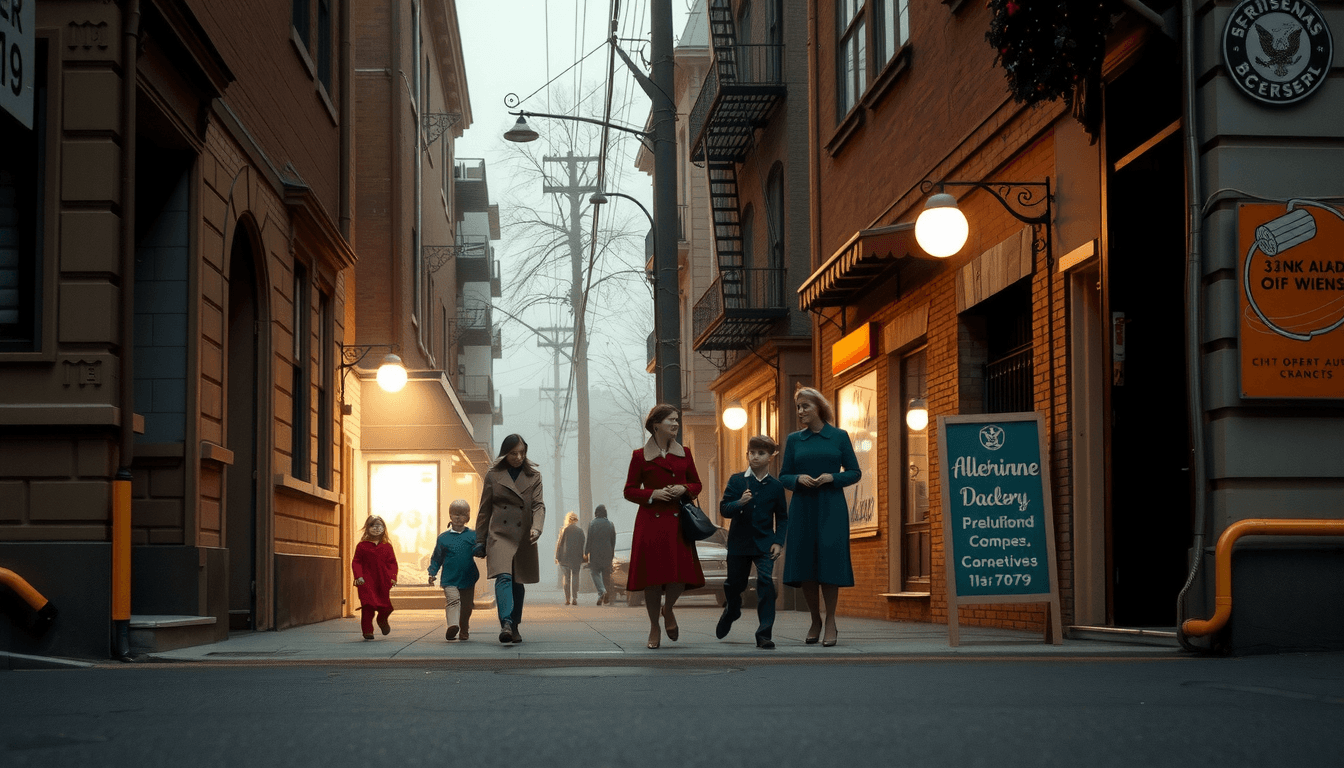
Bazı sabahlar gün doğmadan hatırlanır. Bayram sabahları da böyledir; şehir henüz tam uyanmadan sokak lambalarının solgun ışığıyla sabahın serinliği birbirine karışır, apartman kapıları beklenenden erken açılır, kaldırımlar alışılmış günlerden daha düzenli görünür. İnce hırkaların omza alındığı, ayakkabıların bir gece önceden kapı önüne dizildiği, çocukların daha güneş yükselmeden heyecanla yerinden kalktığı o sabahlarda şehir başka türlü nefes alırdı. Hatırladığımız şey yalnız bayramın kendisi değil, bayramın şehri uyandırma biçimiydi. O erken saatlerde sokak, ev ve insan arasındaki bağ daha görünür, daha sıcak ve daha ortak bir hâl alırdı.

Bu sabahların tarihsel değeri yalnızca dinî ya da takvimsel bir ritüelden gelmez; aynı zamanda ortak zaman duygusu üretmelerinden gelir. Eski şehir hayatında herkes aynı günün aynı erkenliğine uyanırdı. Fırın erkenden açılır, berber dükkânının önünden telaşlı adımlar geçer, cami yolu ile ev yolu arasında selamlar çoğalırdı. Yeni ütülenmiş gömleklerin kokusu, kolonya şişelerinin kapağı, mutfaktan gelen hafif şekerli bir hazırlık hissi, annelerin son kez çocukların saçını düzeltmesi… Bütün bunlar bayram sabahını yalnız bireysel değil toplumsal bir sahneye dönüştürürdü. Şehrin farklı mahalleleri aynı heyecanla hareket eder, bu ortak ritim insanların kendini daha büyük bir topluluğun parçası gibi hissetmesini sağlardı.

Unutulan ayrıntılar tam da burada önem kazanıyor. Bir çocuğun ceplerini kontrol etmesi, mendilin unutulup unutulmadığına bakılması, kapı önünde komşuyla ilk bayramlaşma, büyüklerin evine giderken elde taşınan küçük paketler, ayakta içilen ilk çay, avludan ya da apartman girişinden yankılanan ayak sesleri… Bunlar büyük anlatıların içine sığmayan ama hafızada en çok yaşayan parçalardır. İnce hırkalı günler bize şunu söylüyor: Geçmiş bazen büyük olaylarda değil, küçük hazırlıklarda, tekrarlanan jestlerde ve bir sabahın havasına sinmiş ortak beklentide saklıdır. Bayram sabahı, şehri yalnız erken uyandırmaz; aynı zamanda ev içi terbiyeyi, mahalle ilişkilerini ve kuşaklar arası devamlılığı da görünür kılar.

Bugün o sabahları düşündüğümüzde, aslında yitip giden yalnızca bir ritüel değil, birlikte yaşanan bir zaman biçimidir. Şehir artık daha gürültülü, daha parçalı ve daha dağınık akıyor olabilir; ama hafıza, sokak lambalarının altında başlayan o yumuşak geçişi hâlâ saklıyor. Bayram sabahlarının bize söylediği şey belki de şu: Bir toplumu bir arada tutan, yalnız büyük kutlamalar değil, aynı anda uyanıp aynı incelikleri tekrar etme alışkanlığıdır. İnce hırkaların, erken açılan pencerelerin ve henüz serinliğini bırakmamış kaldırımların içinden gelen bu hatıra, geçmişin neden bu kadar sıcak kaldığını da açıklıyor. Çünkü o sabahlarda şehir yalnız uyanmazdı; birbirini yeniden hatırlardı.


🇬🇧 English | Windows Opened Early: The First Light Holiday Mornings Gave to the City

Some mornings are remembered before sunrise. Holiday mornings are like that. Before the city is fully awake, the pale light of street lamps mingles with the chill of dawn, apartment doors open earlier than usual, and sidewalks seem somehow more orderly than on ordinary days. In those hours when light cardigans were draped over shoulders, shoes were lined up by the door the night before, and children rose before the sun with restless excitement, the city breathed differently. What we remember is not only the holiday itself, but the way the holiday woke the city. In those early hours, the bond between street, home, and people became more visible, warmer, and more shared.

The historical value of these mornings comes not only from a religious or calendrical ritual, but from the shared sense of time they created. In the old city, everyone woke to the same earlyness of the same day. Bakeries opened early, hurried footsteps passed the barbershop, greetings multiplied between the road to the mosque and the road back home. The scent of freshly ironed shirts, the opening of cologne bottles, a faint sweetness rising from the kitchen, mothers giving a child’s hair one last adjustment, all these turned the holiday morning into not merely a personal experience, but a social scene. Different neighborhoods moved with the same expectation, and this common rhythm allowed people to feel they belonged to something larger than themselves.

It is the forgotten details that matter most here. A child checking pockets, making sure the handkerchief has not been forgotten, the first exchange of holiday greetings with a neighbor at the door, small parcels carried while visiting elders, the first tea drunk standing up, footsteps echoing in a courtyard or apartment entrance: these are the parts too small for grand narratives yet the ones that survive most strongly in memory. Those cardigan-light days tell us that the past often lives not in major events, but in small preparations, repeated gestures, and a shared expectation settled into the air of a single morning. Holiday mornings did not only wake the city early; they also revealed domestic manners, neighborhood ties, and continuity between generations.

When we think of those mornings today, what has faded is not merely a ritual, but a form of shared time. The city may now move with more noise, fragmentation, and haste, yet memory still keeps that gentle transition that began beneath the street lamps. What holiday mornings seem to tell us is this: what holds a society together is not only great celebrations, but the habit of waking at the same time and repeating the same courtesies. The memory carried by light cardigans, early-opened windows, and pavements still cool from dawn explains why the past remains so warm. On those mornings, the city did not simply awaken. It remembered one another again.


🇧🇷 Português (Brasil) | Janelas Abertas Cedo: A Primeira Luz que as Manhãs de Festa Davam à Cidade

Algumas manhãs são lembradas antes mesmo do nascer do sol. As manhãs de festa são assim. Antes de a cidade despertar por completo, a luz pálida dos postes se mistura com o frescor da madrugada, as portas dos prédios se abrem mais cedo do que o habitual e as calçadas parecem mais organizadas do que em dias comuns. Nesses momentos em que os casaquinhos leves eram postos sobre os ombros, os sapatos ficavam alinhados desde a noite anterior e as crianças se levantavam antes do sol, tomadas pela animação, a cidade respirava de outro modo. O que a memória guarda não é apenas a festa em si, mas a maneira como ela despertava a cidade. Nessas horas, a ligação entre rua, casa e pessoas se tornava mais visível, mais calorosa e mais coletiva.

O valor histórico dessas manhãs não vem apenas de um ritual religioso ou do calendário, mas do senso de tempo compartilhado que elas criavam. Na antiga vida urbana, todos acordavam para a mesma antecipação no mesmo dia. As padarias abriam cedo, passos apressados passavam diante da barbearia, e os cumprimentos se multiplicavam entre o caminho da oração e o caminho de volta para casa. O cheiro das camisas recém-passadas, a tampa do vidro de colônia se abrindo, um leve preparo adocicado vindo da cozinha, as mães ajeitando o cabelo das crianças pela última vez… tudo isso transformava a manhã de festa não apenas em experiência íntima, mas em cena social. Bairros diferentes se moviam com a mesma expectativa, e esse ritmo comum fazia cada pessoa se sentir parte de algo maior.

É justamente nos detalhes esquecidos que mora a força dessa lembrança. A criança verificando os bolsos, vendo se o lenço não foi esquecido, a primeira saudação trocada com o vizinho na porta, os pequenos pacotes levados para a casa dos mais velhos, o primeiro chá tomado em pé, os passos ecoando no pátio ou na entrada do prédio… São esses fragmentos que não cabem nas grandes narrativas, mas permanecem vivos na memória. Os dias de casaco leve nos dizem que o passado muitas vezes se esconde não nos grandes acontecimentos, mas nos pequenos preparos, nos gestos repetidos e na expectativa comum depositada no ar de uma única manhã. A manhã de festa não acordava apenas a cidade mais cedo; também tornava visíveis a educação doméstica, os vínculos do bairro e a continuidade entre gerações.

Quando pensamos nessas manhãs hoje, percebemos que o que se perdeu não foi apenas um ritual, mas uma forma de tempo compartilhado. A cidade pode hoje correr com mais ruído, pressa e fragmentação, mas a memória ainda guarda aquela transição suave que começava sob os postes. O que as manhãs de festa talvez ainda nos digam é isto: o que mantém uma sociedade unida não são apenas as grandes celebrações, mas o hábito de acordar juntos e repetir as mesmas delicadezas. A lembrança trazida pelos casaquinhos leves, pelas janelas abertas cedo e pelas calçadas ainda frias da madrugada ajuda a explicar por que o passado continua tão quente. Naquelas manhãs, a cidade não apenas despertava. Ela se lembrava de si mesma.


Category: Zamanın İzinde / Traces of Time / Trilhas do Tempo

Yazı gezinmesi

← Anneanne Kurabiyesi: Mevsim Geçişlerinde Neden Daha Da Anlam Kazanıyor Ve Eski Mutfak Kültürünü Nasıl Yaşatıyor | Grandmother’s Cookies: Why They Gain Even More Meaning During Seasonal Transitions And How They Keep Old Kitchen Culture Alive | Os Biscoitos Da Avó: Por Que Ganham Ainda Mais Sentido Nas Mudanças De Estação E Como Mantêm Viva A Antiga Cultura Da Cozinha
Salonda Toplanan Ailelerin Sessiz Heyecanı Ve Pager Cihazı: Analog Çağın Unutulmayan Heyecanını Anlatıyor | The Silent Excitement Of Families Gathered In The Living Room And The Pager Device: Telling The Unforgettable Thrill Of The Analog Age | A Emoção Silenciosa Das Famílias Reunidas Na Sala E O Pager: Contando A Inesquecível Excitação Da Era Analógica →

Bir yanıt yazın Yanıtı iptal et

E-posta adresiniz yayınlanmayacak. Gerekli alanlar * ile işaretlenmişlerdir

🇹🇷 Retro, Tarih ve Nostaljik Hikayeler
🇬🇧 Retro, History & Vintage Stories
🇧🇷 Histórias Retro, Históricas e Vintage

Son Yazılar | Recent Posts | Postagens recentes

  • Fırın Sütlaç Günleri: Unutulan Mutfak Alışkanlıklarını Nasıl Geri Çağırıyor | Baked Rice Pudding Days: How They Call Back Forgotten Kitchen Habits | Os Dias Do Arroz-Doce De Forno: Como Fazem Voltar Hábitos Esquecidos Da Cozinha
  • Ayakkabı Boyacısının Köşe Nöbeti Neden Eski Şehir Hayatının Kalbinde Yer Etti | Why The Shoeshiner’s Watch On The Corner Held A Place At The Heart Of Old City Life | Por Que A Vigília Do Engraxate Na Esquina Ocupou O Coração Da Antiga Vida Urbana
  • Eski Bavul Ve Anneanne Evinin Değişmeyen Köşesi: Ustalık Ve Sabrın İzini Neden Hâlâ Taşıyor | The Old Suitcase And The Unchanging Corner Of Grandmother’s House: Why It Still Carries The Marks Of Craftsmanship And Patience | A Mala Antiga E O Canto Imutável Da Casa Da Avó: Por Que Ainda Carrega As Marcas Da Habilidade E Da Paciência
  • Salonda Toplanan Ailelerin Sessiz Heyecanı Ve Pager Cihazı: Analog Çağın Unutulmayan Heyecanını Anlatıyor | The Silent Excitement Of Families Gathered In The Living Room And The Pager Device: Telling The Unforgettable Thrill Of The Analog Age | A Emoção Silenciosa Das Famílias Reunidas Na Sala E O Pager: Contando A Inesquecível Excitação Da Era Analógica
  • Sokak Lambalarının Altında Büyüyen Anılarda Bayram Sabahlarının Şehri Erkenden Uyandırdığı Yıllar: Unutulan Ayrıntılarıyla Bize Ne Söylüyor İnce Hırkalı Günler | In Memories Grown Beneath Street Lamps, The Years When Holiday Mornings Woke The City Early: What Do Those Cardigan-Light Days Tell Us Through Their Forgotten Details? | Nas Lembranças Crescidas Sob Os Postes De Rua, Os Anos Em Que As Manhãs De Festa Acordavam A Cidade Cedo: O Que Esses Dias De Casaco Leve Ainda Nos Dizem Por Meio De Detalhes Esquecidos?

Son Yorumlar | Recent Comments | Comentários recentes

  1. fjuleir - Gazoz Kapaklarından Koleksiyonlara | Treasures of the Street: Soda Caps | Tesouros de Rua: Tampinhas de Garrafa
  2. nerpev - Kadifeden Atlasa: Sandık Mirası | Velvet and Silk: The Legacy of Hope Chests | Veludo e Seda: O Legado dos Baús de Enxoval

Arşivler | Archives | Arquivos

  • Mart 2026
  • Şubat 2026

Kategoriler | Categories | Categorias

  • Damak Hafızası / Taste of Memory / Memória do Paladar
  • Mahalle Kültürü / Neighborhood Culture / Cultura do Bairro
  • Obje Hikayeleri / Object Stories / Histórias de Objetos
  • Teknoloji Mirası / Tech Heritage / Herança Tecnológica
  • Uncategorized
  • Zamanın İzinde / Traces of Time / Trilhas do Tempo
  • Gizlilik Politikası | Privacy Policy | Política de Privacidade
  • Hakkımızda | About Us | Sobre Nós
  • İletişim | Contact | Contato
  • Site Haritası | Sitemap | Mapa do site
© 2026 Eski Pano | Powered by Minimalist Blog WordPress Theme