🇹🇷 Türkçe | Dönemin ruhunu ele veren o eski saatlerde otobüs terminallerinin gurbet hikâyelerini çoğalttığı yıllar: geçmişe bakınca neden daha parlak görünüyor ıhlamur kokusuna dönen bahçeler
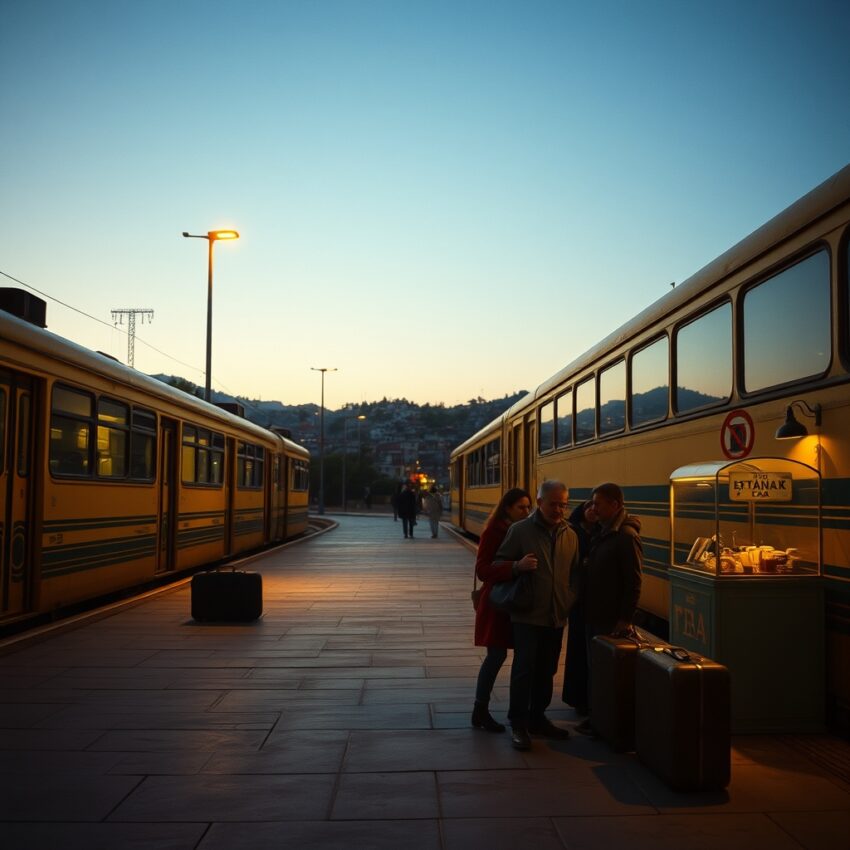
Bir zamanlar şehirlerin otobüs terminalleri, yolculuktan çok bekleyişin kokusunu taşırdı. Akşamüstü serinliği çökerken camların buğusuna karışan mazot kokusu, elinde file taşıyan anneler, omzunda ceket duran babalar ve köşede sessizce duran bavullar, o büyük gidiş geliş sahnesini daha ilk bakışta kurardı. Peronların üstüne düşen sarı ışık, otobüslerin ön camında titreyen şehir isimleri ve anons hoparlöründen yükselen çatallı ses, bir dönemin ruhunu birkaç dakikada görünür kılmaya yeterdi. Terminalin dışında, yazı hafifçe yorgunlaştıran bir akşamda, bahçelerden gelen ıhlamur kokusu bu sert taş zemine değdiğinde her şey biraz daha duygulu görünürdü. Belki bugün geçmişe dönüp bakınca o yılların daha parlak görünmesinin ilk nedeni de budur: sertlikle şefkati, ayrılıkla umudu aynı havada tutabilmeleri.
Zamanın İzinde bakıldığında otobüs terminalleri yalnız bir ulaşım merkezi değildi; taşradan kente, kentten memlekete uzanan toplumsal dönüşümün en canlı sahnelerinden biriydi. Eski gazetelerde bayram yoğunlukları, ek sefer haberleri, yaz tatilinde artan yolcu sayıları ve uzun hat firmalarının rekabeti anlatılırken satır aralarında başka bir hikâye akardı. Çalışmak için büyük şehre giden gençler, üniversiteye ilk kez kayıt yaptırmak üzere yola çıkan çocuklar, mevsimlik iş için bavul hazırlayan aileler ve yıllık iznini sayarak memlekete dönen gurbetçiler, aynı terminalin hafızasına farklı ağırlıklar bırakırdı. Her bilet, yalnız bir koltuk numarası değil, ardında bir evin sessizliğini de taşırdı. Bu yüzden peronda vedalaşanların yüzündeki ifade, çoğu zaman yolculuğun süresinden daha uzun yaşardı.
Gündelik hayatın ayrıntıları bu hafızayı daha da derinleştirirdi. Çay ocağında ince belli bardakların peş peşe dizilmesi, emanet eşya köşesinde üst üste duran koli ve battaniyeler, muavinlerin yüksek sesle şehir adı çağırışı, çocukların cam kenarı isteği ve son dakikada uzatılan poğaça paketleri, terminalin küçük ritüelleriydi. O yıllarda yolculuk yalnız gidenin meselesi değildi; bütün aile onun etrafında toparlanırdı. Bir teyze mendil sıkıştırır, bir komşu “varınca haber et” der, bir kardeş son kez otobüsün plakasına bakardı. Terminal böylece sadece bir bina değil, kentin duygusal arşivi hâline gelirdi. Gurbet hikâyeleri burada çoğalırdı çünkü herkesin dilinde aynı kelime olmasa da kalbinde benzer bir eksiklik taşınırdı.
Bu anılarda bahçelerin ıhlamur kokusuna dönmesi boşuna değildir. Çünkü eski şehir hayatında mevsimler, ayrılık duygusuna eşlik eden görünmez anlatıcılardı. İlkbahar sonu ya da yaz başı akşamlarında terminale gidilirken yol üstündeki apartman bahçelerinden, okul duvarlarının yanından ya da müstakil evlerin önünden gelen ıhlamur kokusu, mazot ve sıcak asfaltla tuhaf ama unutulmaz bir birlik kurardı. İşte hafızada yıllar sonra parlayan şey biraz da bu zıtlıktır. Sert bir vedanın içine ev kokusu karışır, kalabalık bir terminalin ortasında mahalle akşamı hissi belirir, gurbet fikri soyut olmaktan çıkarak tenin üstünde hissedilen bir havaya dönüşürdü. İnsan geçmişi yalnız gördüğü şeylerle değil, kokularla da hatırladığı için o bahçeler bugün olduğundan daha aydınlık görünür.
Belki de o yılların bugün daha parlak görünmesinin asıl nedeni, ayrılığın bile ortak yaşanmasıydı. Şimdi yolculuklar daha hızlı, terminaller daha işlevsel, vedalar daha kısa. Oysa eski terminallerde beklemek toplumsal bir hâldi; herkes birbirinin iç sıkıntısını biraz anlardı. Bavullar taşınır, yol sorulur, çocuk oyalanır, çay paylaşılır, dönüş tarihi tahmin edilirdi. Otobüs hareket ederken el sallayanların yüzünde yalnız hüzün değil, dayanma gücü de olurdu. Bu yüzden geçmişe bakınca terminal yılları daha parlak görünür: çünkü o sert saatlerde bile insanı eve bağlayan bir ıhlamur kokusu dolaşır, gurbetin hikâyesi yalnız ayrılığı değil, geri dönme umudunu da aynı anda taşırdı.
🇬🇧 English | In Those Old Hours That Revealed the Spirit of the Era, the Years When Bus Terminals Multiplied Stories of Longing for Home: Why Do the Gardens Turning Into the Scent of Linden Seem Brighter in Retrospect?
There was a time when city bus terminals carried less the feeling of travel than the scent of waiting. As the late afternoon cool settled in, the smell of diesel mixing with misted glass, mothers holding market bags, fathers with jackets over one shoulder, and suitcases standing silently in a corner built the whole scene of departure and return at first glance. The yellow lights falling over the platforms, city names trembling on the windshields of buses, and the cracked voice rising from the loudspeaker were enough to make the spirit of an era visible within minutes. Outside the terminal, on an evening softened by early summer fatigue, the linden scent drifting from nearby gardens touched that hard stone ground and made everything seem more tender. Perhaps the first reason those years look brighter when we turn back toward them is exactly this: they could hold hardness and affection, separation and hope, in the same air.
Seen along the trail of time, bus terminals were never just transport hubs. They were among the liveliest stages of the social transformation stretching from small towns to cities and from cities back to home provinces. Old newspapers wrote about holiday crowds, extra departures, the rise in summer passengers, and competition among long-distance bus companies, but another story flowed between those lines. Young people leaving for work in the big city, students traveling for their first university registration, families packing for seasonal labor, and migrants counting down the days to return home during annual leave all left different weights in the memory of the same terminal. Every ticket held not only a seat number, but also the silence of a house left behind. That is why the expression on the faces saying goodbye on the platform often lasted longer than the trip itself.
The details of daily life made this memory even deeper. Tea glasses lined up in quick succession at the refreshment counter, stacked boxes and blankets in the left-luggage corner, assistants shouting city names, children pleading for window seats, and pastries handed over at the last minute were among the terminal’s small rituals. In those years, a journey was never only the concern of the person leaving. The whole family gathered around it. An aunt tucked a handkerchief into a pocket, a neighbor said, “send word when you arrive,” and a younger sibling looked one last time at the bus plate number. In that way, the terminal became not just a building, but the emotional archive of the city. Stories of homesickness multiplied there because even when the word was not the same on every tongue, a similar absence was carried in every heart.
The way those gardens turn into the scent of linden in memory is no coincidence. In old urban life, the seasons were invisible narrators accompanying the feeling of separation. On late spring and early summer evenings, while heading toward the terminal, the linden fragrance drifting from apartment gardens, school walls, or the fronts of detached houses formed a strange yet unforgettable union with diesel and warm asphalt. What shines in memory years later is precisely that contrast. A hard farewell absorbed the smell of home, the middle of a crowded terminal suddenly held the feeling of a neighborhood evening, and the idea of distance ceased to be abstract and became a weather felt on the skin. Since people remember the past not only through what they saw, but through what they smelled, those gardens appear brighter now than they perhaps ever did then.
Perhaps the real reason those years seem brighter today is that even separation was lived collectively. Journeys are faster now, terminals are more functional, and farewells are shorter. In old terminals, however, waiting was a social condition. People understood a little of one another’s unease. Suitcases were carried, directions were given, children were distracted, tea was shared, and return dates were guessed aloud. When the bus finally pulled away, the faces waving from the platform held not only sadness, but also resilience. That is why the terminal years glow more brightly in retrospect: because even in those stern hours a linden scent wandered through the air and tied people back to home, and the story of longing for home carried not only separation, but also the hope of return.
🇧🇷 Português (Brasil) | Naqueles Velhos Horários que Revelavam o Espírito da Época, os Anos em que os Terminais Rodoviários Multiplicavam Histórias de Saudade da Terra: Por Que os Jardins que se Transformam em Cheiro de Tília Parecem Mais Luminosos Quando Olhamos para Trás?
Houve um tempo em que os terminais rodoviários das cidades carregavam menos a sensação de viagem do que o cheiro da espera. Quando o frescor do fim da tarde descia, o odor de diesel misturado ao vidro embaçado, as mães com sacolas na mão, os pais com o casaco no ombro e as malas paradas num canto montavam, logo à primeira vista, toda a cena de partidas e retornos. A luz amarela caindo sobre as plataformas, os nomes das cidades tremendo no para-brisa dos ônibus e a voz rachada do alto-falante bastavam para tornar visível o espírito de uma época em poucos minutos. Do lado de fora, numa noite amolecida pelo cansaço do começo do verão, o cheiro de tília vindo dos jardins tocava aquele chão duro de pedra e deixava tudo um pouco mais delicado. Talvez a primeira razão para aqueles anos parecerem mais luminosos quando os recordamos esteja justamente nisso: eles conseguiam manter dureza e afeto, separação e esperança, no mesmo ar.
No rastro do tempo, os terminais nunca foram apenas centros de transporte. Eram um dos palcos mais vivos da transformação social que ligava o interior às cidades grandes e as cidades grandes de volta à terra natal. Jornais antigos falavam das multidões em feriados, dos horários extras, do aumento de passageiros no verão e da disputa entre empresas de longa distância, mas por trás dessas linhas corria outra narrativa. Jovens que partiam para trabalhar na metrópole, estudantes indo pela primeira vez fazer matrícula na universidade, famílias preparando malas para trabalho sazonal e migrantes contando os dias para voltar nas férias deixavam pesos diferentes na memória do mesmo terminal. Cada passagem carregava não só um número de poltrona, mas também o silêncio de uma casa que ficava para trás. Por isso, a expressão no rosto de quem se despedia na plataforma quase sempre durava mais do que a própria viagem.
Os detalhes da vida cotidiana tornavam essa lembrança ainda mais profunda. Os copos de chá enfileirados no balcão, caixas e cobertores empilhados no canto do guarda-volumes, os ajudantes chamando os nomes das cidades em voz alta, as crianças pedindo lugar na janela e os pacotes de pão ou salgado entregues no último instante eram pequenos rituais do terminal. Naqueles anos, viajar não dizia respeito apenas a quem partia. A família inteira se organizava ao redor disso. Uma tia colocava um lenço no bolso, um vizinho dizia “avise quando chegar”, um irmão mais novo olhava mais uma vez para a placa do ônibus. Assim, o terminal se tornava não só um edifício, mas o arquivo afetivo da cidade. As histórias de saudade se multiplicavam ali porque, mesmo quando a palavra mudava de boca em boca, uma ausência parecida era carregada por todos.
Não é por acaso que, nessas lembranças, os jardins se transformam em cheiro de tília. Na antiga vida urbana, as estações do ano eram narradoras invisíveis do sentimento de separação. Nas noites do fim da primavera ou do começo do verão, ao seguir para o terminal, o perfume de tília vindo dos jardins dos prédios, dos muros das escolas ou da frente das casas antigas criava uma união estranha e inesquecível com o diesel e o asfalto ainda quente. O que brilha na memória anos depois é justamente esse contraste. Uma despedida dura recebia um cheiro de casa, o meio de um terminal lotado passava a conter algo do fim de tarde do bairro, e a ideia de distância deixava de ser abstrata para virar um clima sentido na pele. Como as pessoas recordam o passado não apenas pelo que viram, mas também pelo que cheiraram, esses jardins parecem hoje mais claros do que talvez tenham sido no próprio tempo.
Talvez a verdadeira razão para aqueles anos parecerem mais luminosos hoje seja o fato de até a separação ser vivida em comum. As viagens agora são mais rápidas, os terminais mais funcionais e as despedidas mais curtas. Nos antigos terminais, porém, esperar era uma condição social. As pessoas entendiam um pouco da aflição umas das outras. Carregavam-se malas, davam-se informações, distraíam-se crianças, dividia-se chá e imaginava-se em voz alta a data da volta. Quando o ônibus enfim saía, os rostos que acenavam da plataforma carregavam não apenas tristeza, mas também resistência. É por isso que os anos dos terminais brilham mais quando lembrados: porque, mesmo naquelas horas severas, um cheiro de tília passava pelo ar e prendia as pessoas à ideia de casa, e a história da saudade carregava ao mesmo tempo a separação e a esperança do retorno.