🇹🇷 Türkçe | makaralı teyp başında geçen saatler: tamircilerin elinde neden ikinci bir ömür bulduğunu açıklıyor pencere önlerinde bekleyen akşamlarda zamanın usul adımlarıyla
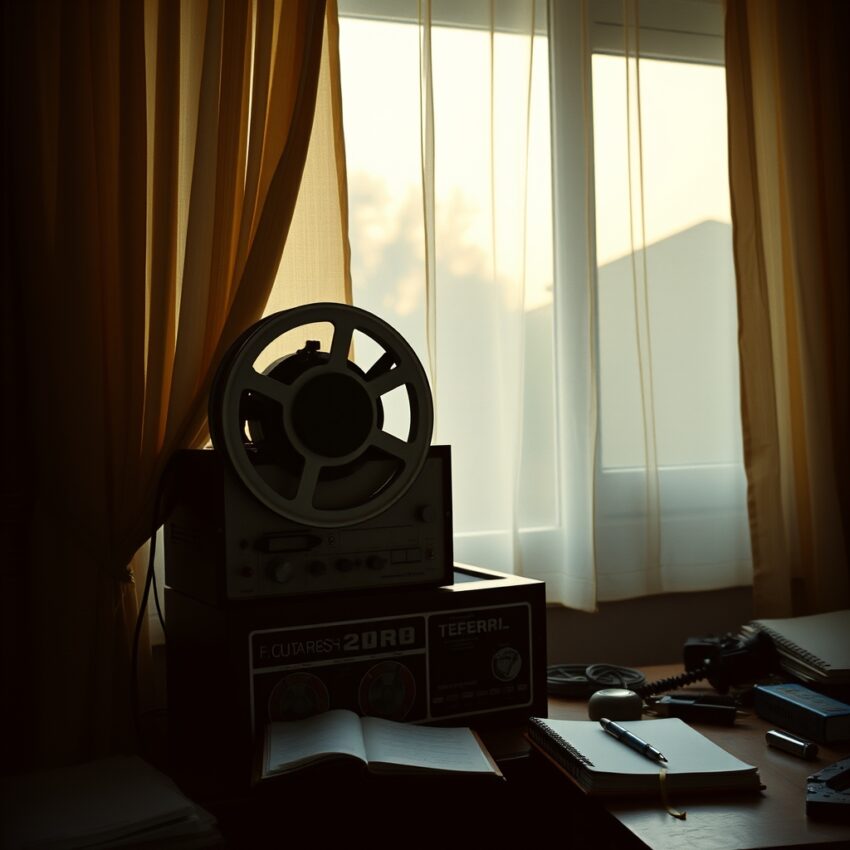
Bir zamanlar bazı evlerde akşam, pencere önüne yakın bir sehpanın üstünde duran makaralı teybin çevresinde ağır ağır toplanırdı. Dışarıda sokak lambası yeni yanmış olur, perdelerin arasından serinlik girer, camın önünde biriken sessizlik içerideki cızırtıya alan açardı. Metal makaraların dönmeye başlaması, bandın gergin yüzeyi, düğmelerin kararlı sesi ve hoparlörden yükselen hafif hışırtı, zamanı birden yavaşlatırdı. Müzik çalmadan önce bile o cihaz bir bekleyiş duygusu kurardı. Pencere önünde geçen akşamlarda insanlar bazen kayıt dinler, bazen sesleri geri sarar, bazen de cihazın niçin takıldığını anlamaya çalışırdı. Bu usul tempo, makaralı teybi yalnız bir teknoloji parçası olmaktan çıkarıp ev içi hafızanın dikkat isteyen nesnelerinden biri yapmıştı.
Teknoloji Mirası açısından makaralı teyp, analog çağın görünen emeğini taşıyan cihazlardan biriydi. Bugünkü kadar kapalı ve dokunulmaz olmayan bir teknoloji düzeninde, cihazın nasıl çalıştığına dair merak gündelik hayatın parçasıydı. Bandın kopması, ses kafasının kirlenmesi, kayışın gevşemesi ya da makaranın sarmayı bırakması, kullanıcısını cihazın iç düzeniyle ilişki kurmaya mecbur ederdi. Bu yüzden tamirciler o yıllarda yalnız arıza gideren kişiler değil, analog dünyanın sabırlı yorumcularıydı. Dar dükkânlarında tornavida sesiyle karışan radyo uğultusu, raflarda bekleyen düğmeler, lambalar ve makaralar, bozulan cihazlara ikinci bir ömür verirdi. İnsanlar bir teyp bozulduğunda hemen vazgeçmezdi; çünkü o cihazın içinde yalnız mekanik aksam değil, eve sinmiş sesler de bulunurdu.
Makaralı teybin tamircilerin elinde yeniden canlanmasının en büyük nedeni, kayıtların taşıdığı duygusal ağırlıktı. Bir doğum gününde kaydedilmiş çocuk sesi, askerden gelen selam, aile içinde söylenmiş bir türkü, radyodan yakalanmış sevilen bir şarkı ya da düğün eğlencesinden kalmış kısa kahkahalar, makaranın üstünde saklanırdı. Arıza olduğunda bozulan şey sadece bir alet değil, o seslere giden yoldu. Bu nedenle tamir dükkânına götürülen cihaz, çoğu zaman sahibinin elinde sıradan bir eşya gibi tutulmazdı. Sanki bir kutunun içinde yıllar taşınıyor gibi dikkatle bırakılır, “mümkünse kurtarın” denirdi. Tamircinin yaptığı iş de sadece teknik bir müdahale sayılmazdı; biraz sabır, biraz ustalık ve biraz da geçmişi anlama duygusu isterdi.
Pencere önlerinde bekleyen akşamlar bu hikâyeyi tamamlayan önemli bir ayrıntıdır. Çünkü eski şehir hayatında akşam, teknolojinin eve en mahrem biçimde yerleştiği saatlerdi. Çay demlenir, sokaktan ayak sesleri gelir, çocuklar ödevini bitirir, büyükler koltuğuna çekilirken teybin kapağı açılırdı. Cihazın başında geçen dakikalar, gündelik telaşı biraz dışarıda bırakırdı. Bir kayıt dinlenirken herkes kendi hatırasına başka yerden yaklaşırdı; biri sesi tanımaya çalışır, biri o günün tarihini hatırlar, biri de sesin arkasındaki odanın düzenini gözünde canlandırırdı. Makaralı teybin zamanın usul adımlarıyla anılması biraz da bundandır. O cihaz hız değil dikkat, tüketim değil tekrar dinleme, çabukluk değil emek isterdi.
Bugün neden hâlâ bu kadar saygıyla hatırlandığını düşününce, cevap biraz onun ikinci ömründe saklıdır. Tamircilerin elinde hayata dönen her makaralı teyp, eski teknolojinin yalnız dayanıklı değil, bağ kurmaya açık olduğunu da gösterirdi. Bir eşyayı atmak yerine onarmak, sesleri silmek yerine korumak, akşamı aceleyle geçirmek yerine pencere önünde biraz beklemek, o dönemin gündelik ahlakının parçalarıydı. Bu yüzden makaralı teyp bugün yalnız nostaljik bir cihaz değil; sabırla dinlenen zamanın, emekle uzatılan ömrün ve tamir kültürü sayesinde kaybolmayan aile seslerinin simgesi olarak parlıyor.
🇬🇧 English | The Hours Spent Beside the Reel-to-Reel Tape Recorder: With the Slow Steps of Time in Evenings Waiting by the Window, It Explains Why It Found a Second Life in the Hands of Repairmen
There was a time when evening gathered slowly in some homes around the reel-to-reel tape recorder resting on a small table near the window. Outside, the streetlamp had just come on, cool air entered between the curtains, and the quiet collecting by the glass made room for the static indoors. The moment the metal reels began to turn, with the taut strip of tape, the firm sound of the buttons, and the faint hiss rising from the speaker, time seemed to slow down. Even before the music started, the machine created a feeling of expectation. In those evenings spent by the window, people sometimes listened to old recordings, sometimes rewound voices, and sometimes tried to understand why the device had begun to jam. This gentle tempo made the reel-to-reel recorder more than a piece of technology; it became one of the attentive objects of domestic memory.
As technological heritage, the reel-to-reel recorder belonged to the analog age of visible labor. In a technological world that was not yet sealed and untouchable, curiosity about how a machine worked was part of daily life. A snapped tape, a dirty head, a loosened belt, or a reel that stopped winding forced the user into a relationship with the inner order of the device. That is why repairmen of those years were not merely people who fixed faults. They were patient interpreters of the analog world. In their narrow workshops, the sound of screwdrivers mixed with radio murmur, while buttons, bulbs, and reels waited on shelves and broken machines were granted a second life. When a tape recorder failed, people did not give up on it immediately, because inside it there lived not only mechanical parts, but also sounds absorbed by the home.
The greatest reason the reel-to-reel recorder came back to life in the hands of repairmen was the emotional weight carried by its recordings. A child’s voice taped at a birthday, a greeting sent from military service, a folk song sung in the family circle, a beloved song captured from the radio, or brief laughter left over from a wedding celebration all remained stored on those reels. When the machine broke, what failed was not only an object, but the path leading to those voices. For that reason, the recorder carried into the repair shop was rarely held like an ordinary item. It was placed down carefully, as though years were being carried in a box, and its owner would say, “please save it if you can.” The repairman’s work was therefore more than technical intervention. It required patience, skill, and a certain feeling for the past.
The evenings waiting by the window complete this story in an important way. In old urban life, evening was the hour when technology settled into the home in its most intimate form. Tea was brewed, footsteps rose from the street, children finished homework, and as the elders settled into their chairs the recorder lid was opened. The minutes spent with the machine set daily hurry a little outside the room. While a tape played, each person approached memory from a different angle. One tried to recognize a voice, another remembered the date of the recording, and someone else pictured the room hidden behind the sound. The reel-to-reel is remembered with the slow steps of time precisely because it asked for attention rather than speed, replay rather than disposal, and effort rather than haste.
When one asks why it is still remembered with such respect today, part of the answer lies in that second life. Every reel-to-reel brought back into service by a repairman showed that old technology was not only durable, but open to renewed attachment. Repairing rather than throwing away, preserving voices rather than losing them, and spending the evening by the window instead of rushing through it were all parts of the everyday ethics of that period. That is why the reel-to-reel recorder still shines today not simply as a nostalgic device, but as a symbol of time listened to patiently, of life extended through skill, and of family voices saved from disappearance by the culture of repair.
🇧🇷 Português (Brasil) | As Horas Passadas Diante do Gravador de Fita de Rolo: Com os Passos Lentos do Tempo nas Noites à Espera Junto da Janela, Explica Por Que Encontrou uma Segunda Vida nas Mãos dos Consertadores
Houve um tempo em que a noite se reunia devagar em algumas casas ao redor do gravador de fita de rolo colocado sobre uma mesinha perto da janela. Lá fora, o poste havia acabado de acender, um ar fresco entrava entre as cortinas, e o silêncio que se acumulava no vidro abria espaço para o chiado do lado de dentro. Quando os rolos de metal começavam a girar, com a fita esticada, o som firme dos botões e o sopro leve vindo do alto-falante, o tempo parecia desacelerar. Mesmo antes de a música começar, o aparelho já criava uma sensação de expectativa. Nessas noites vividas junto da janela, às vezes se ouviam gravações antigas, às vezes se rebobinavam vozes, às vezes se tentava entender por que a máquina havia travado. Esse ritmo calmo transformava o gravador de fita de rolo em algo maior do que uma peça de tecnologia; ele virava um dos objetos atentos da memória doméstica.
Como legado tecnológico, o gravador de fita de rolo pertencia à era analógica do trabalho visível. Num mundo em que a tecnologia ainda não era fechada e intocável, a curiosidade sobre o funcionamento do aparelho fazia parte da vida cotidiana. Uma fita rompida, a cabeça suja, a correia frouxa ou um rolo que deixava de enrolar obrigavam o usuário a se relacionar com a ordem interna da máquina. Por isso, os consertadores daqueles anos não eram apenas pessoas que eliminavam defeitos. Eram intérpretes pacientes do mundo analógico. Em oficinas estreitas, o som das chaves de fenda se misturava ao murmúrio do rádio, enquanto botões, lâmpadas e rolos esperavam nas prateleiras e aparelhos parados ganhavam uma segunda vida. Quando um gravador quebrava, ninguém desistia dele de imediato, porque ali dentro havia não só peças mecânicas, mas também sons impregnados pela casa.
A maior razão para o gravador voltar a viver nas mãos dos consertadores era o peso emocional das gravações. A voz de uma criança num aniversário, uma saudação vinda do serviço militar, uma canção entoada em família, uma música querida capturada do rádio ou risadas breves guardadas de uma festa de casamento continuavam presas naqueles rolos. Quando o aparelho quebrava, o que se perdia não era apenas um objeto, mas o caminho até essas vozes. Por isso, o gravador levado à oficina quase nunca era tratado como uma coisa comum. Ele era colocado com cuidado, como se anos inteiros estivessem sendo carregados numa caixa, e seu dono dizia: “se der, salve isso”. O trabalho do consertador, então, era mais do que uma intervenção técnica. Exigia paciência, habilidade e também certa compreensão do passado.
As noites de espera junto da janela completam essa história de forma importante. Na antiga vida urbana, a noite era a hora em que a tecnologia se acomodava na casa de modo mais íntimo. O chá era preparado, passos subiam da rua, as crianças terminavam a lição, e os mais velhos, já sentados, abriam a tampa do aparelho. Os minutos diante da máquina deixavam a correria do dia um pouco para fora do cômodo. Enquanto a fita tocava, cada pessoa se aproximava da memória por um ângulo diferente. Uma tentava reconhecer a voz, outra lembrava a data da gravação, outra imaginava o quarto ou a sala escondidos atrás daquele som. O gravador de fita de rolo é lembrado com os passos lentos do tempo justamente porque pedia atenção em vez de pressa, repetição em vez de descarte e empenho em vez de rapidez.
Quando se pergunta por que ele ainda hoje é lembrado com tanto respeito, parte da resposta está nessa segunda vida. Cada gravador devolvido ao uso pelas mãos de um consertador mostrava que a antiga tecnologia não era apenas resistente, mas aberta a novos vínculos. Consertar em vez de jogar fora, preservar vozes em vez de apagá-las e passar a noite junto da janela em vez de atravessá-la correndo eram traços da ética cotidiana daquele período. Por isso, o gravador de fita de rolo ainda brilha não apenas como objeto nostálgico, mas como símbolo do tempo escutado com paciência, da vida prolongada pela habilidade e das vozes de família que não desapareceram graças à cultura do conserto.