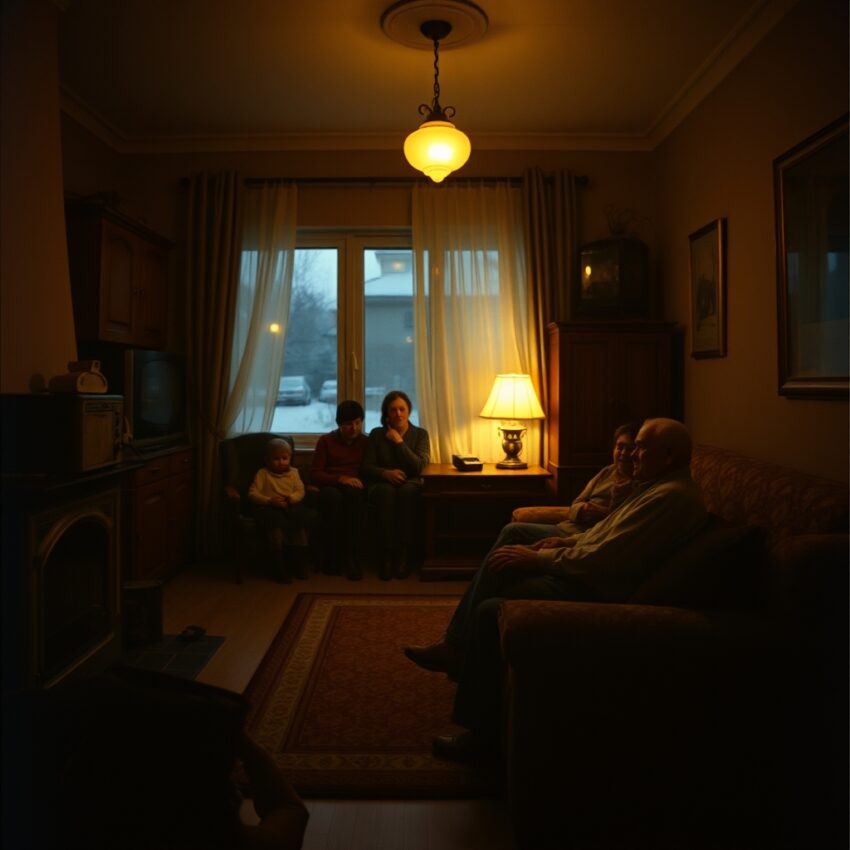
🇹🇷 Türkçe | salonda toplanan ailelerin sessiz heyecanı ve telesekreter: analog çağın unutulmayan heyecanını anlatıyor soba başı sessizliğinde zihinde kalan eski bir melodiyle
Bir zamanlar akşam saatlerinde salonun ışığı biraz daha dikkatle yakılır, sehpanın üstü toparlanır ve ev halkı fark etmeden tek bir noktaya kulak kesilirdi. Çünkü evde bir telesekreter varsa, o küçük cihaz yalnız ses kaydetmez; evin bekleyiş duygusunu da üzerine toplardı. Kimin aradığı, hangi saatte aradığı, bırakılan mesajın ne kadar ciddi ya da ne kadar neşeli olduğu, bütün salonun havasını değiştirebilirdi. Soba başında oturulan kış akşamlarında, dışarıda sokak sessizleşirken cihazdan gelen kısa bip sesi küçük bir kapı aralar, herkesin zihninde yarım kalmış bir ihtimali canlandırırdı. O anın heyecanı gürültülü değildi; tersine sessiz, dikkatli ve içeriden hissedilen bir tür analog meraktı.
Teknoloji Mirası açısından telesekreter, yalnızca telefonun yanına eklenmiş pratik bir araç değildi. O, erişilemeyen anların, kaçırılmış aramaların ve sonradan dinlenen seslerin teknolojisiydi. Telefon çaldığında evde kimse yoksa, arayan kişinin sesi o cihaza emanet edilirdi; böylece yokluk bile kayıt altına alınmış olurdu. Bu durum, ev içi iletişim kültürünü değiştirdi. İnsanlar ne söyleyeceğini düşünerek konuşur, ses tonuna daha fazla dikkat eder, birkaç saniyelik mesajın içinde hem haber hem duygu bırakmaya çalışırdı. Cihazın üzerindeki yanıp sönen ışık, eve dönüldüğünde bir mektup zarfı kadar merak uyandırırdı. “Mesaj var” duygusu, bugünün anlık bildirimlerinden farklı olarak daha yavaş, daha törensel ve biraz da kalbe yakın bir bekleyiş içerirdi.
Bu sessiz heyecanın ailece yaşanması da dönemin ruhunu gösterirdi. Mesaj tek bir kişiye bırakılmış olsa bile, çoğu zaman ilk dinleme ortak bir âna dönüşürdü. Salonda toplanılır, bazen ses açılır, bazen çocuklara sessiz olmaları işaret edilir, sonra teypten gelen hafif cızırtılı ses dikkatle dinlenirdi. Arayan bir akraba olabilir, bir iş haberi gelmiş olabilir ya da uzak bir şehirden yalnız hâl hatır soran biri konuşmuş olabilirdi. Mesajın içeriği kadar taşıdığı mesafe hissi de önemliydi. Çünkü analog çağda bir sesin saklanması, biraz mucize gibi görünürdü. Soba başı sessizliğinde dinlenen o kayıtlar, eve yalnız bilgi değil, dış dünyanın nabzını da getirirdi. Böylece telesekreter, küçük boyutuna rağmen salonun ortasında görünmez bir köprü kurardı.
Bugün sesli mesajlar, çağrı kayıtları ve bildirim ekranları hayatın doğal parçası. Ama eski telesekreterin hafızada bıraktığı iz daha farklı; çünkü o cihaz, hızı değil bekleyişi anlamlı kılıyordu. Ailelerin birlikte dinlediği bir mesaj, sadece bir iletişim aracı değil, aynı zamanda ortak bir duygulanım anıydı. Analog çağın unutulmayan heyecanı belki de tam burada gizliydi: Sesin gecikmeli gelişi, merakın birkaç dakika daha sürmesi ve salonun sessizce aynı cümleye yönelmesi… Zihinde kalan eski melodi gibi, telesekreter de geçmiş ev hayatının fonunda çalmaya devam ediyor. Bugün unutulmuş görünse bile, bir zamanlar ev içi teknolojinin en sıcak, en insani ve en merak uyandıran araçlarından biri olarak yerini koruyor.
🇬🇧 English | The Quiet Excitement of Families Gathered in the Living Room and the Answering Machine: Telling the Unforgotten Thrill of the Analog Age with an Old Melody Lingering by the Stove in Silence
There was once a time when, in the evening, the living room light was switched on with a little more care, the coffee table was tidied, and everyone in the house found themselves listening toward a single point without quite realizing it. If there was an answering machine at home, that small device did more than record voices; it gathered the household’s sense of waiting into itself. Who had called, at what hour, whether the message carried seriousness or cheer, any of it could alter the mood of the whole room. On winter nights spent near the stove, while the street outside fell quiet, the brief beep of that machine opened a tiny doorway and brought unfinished possibilities back to life in every mind. The excitement of that moment was not loud. It was a quiet, attentive, inward kind of analog curiosity.
As technological heritage, the answering machine was more than a practical addition beside the telephone. It belonged to missed moments, unanswered calls, and voices heard later than they were spoken. If no one was home when the phone rang, the caller’s voice was entrusted to the device, and in that way even absence became recorded. This changed the culture of communication inside the home. People spoke with more thought, paid closer attention to tone, and tried to leave both information and feeling within a few seconds. The blinking light on the machine created a curiosity almost like seeing an unopened letter waiting on a table. The feeling that “there is a message” contained a slower, more ceremonial, more heart-adjacent suspense than today’s instant notifications ever do.
The fact that this excitement was often shared by the whole family says much about the spirit of the era. Even when a message had clearly been left for one person, the first listening often became a collective moment. Everyone gathered in the living room, the volume was raised, children were motioned to stay quiet, and then the slightly crackling recorded voice was heard with care. It might be a relative calling, a piece of work news, or someone from a distant city simply asking after the family. What mattered was not only the content of the message, but the sense of distance it carried. In the analog age, the preservation of a voice felt a little miraculous. Those recordings, heard in the stillness near the stove, brought not only information into the house, but also the pulse of the wider world. In its small body, the answering machine built an invisible bridge in the middle of the room.
Today, voice notes, call logs, and notification screens are ordinary parts of life. Yet the mark left by the old answering machine is different, because it made waiting meaningful rather than speed. A message listened to together was not merely a tool of communication, but a shared emotional event. Perhaps the unforgettable thrill of the analog age lies precisely there: the delayed arrival of a voice, the curiosity stretching a few minutes longer, and an entire room turning silently toward the same sentence. Like an old melody lingering in the mind, the answering machine still plays softly in the background of remembered domestic life. It may seem forgotten now, yet it remains one of the warmest, most human, and most curiosity-filled devices of home technology from its time.
🇧🇷 Português (Brasil) | O Silencioso Entusiasmo das Famílias Reunidas na Sala e a Secretária Eletrônica: Contando a Emoção Inesquecida da Era Analógica com uma Antiga Melodia que Permanece na Mente ao Lado do Fogão em Silêncio
Houve um tempo em que, no começo da noite, a luz da sala era acesa com um pouco mais de cuidado, a mesa de centro era arrumada e todos na casa acabavam prestando atenção ao mesmo ponto sem perceber. Se havia uma secretária eletrônica em casa, aquele pequeno aparelho fazia mais do que guardar vozes; ele concentrava em si a sensação de espera da família. Quem ligara, em que hora, se a mensagem trazia seriedade ou alegria, tudo isso podia mudar o clima do ambiente inteiro. Nas noites de inverno passadas perto do fogão, quando a rua do lado de fora ia ficando silenciosa, o breve bip do aparelho abria uma pequena passagem e devolvia a todos alguma possibilidade interrompida. A emoção daquele instante não era barulhenta. Era uma curiosidade analógica silenciosa, atenta e profundamente sentida por dentro.
Como herança tecnológica, a secretária eletrônica era mais do que um acessório útil ao lado do telefone. Ela pertencia aos momentos perdidos, às chamadas não atendidas e às vozes ouvidas depois de terem sido ditas. Se ninguém estivesse em casa quando o telefone tocava, a voz de quem ligava era confiada ao aparelho, e assim até a ausência ganhava registro. Isso mudou a cultura da comunicação dentro da casa. As pessoas pensavam mais antes de falar, prestavam mais atenção ao tom e tentavam deixar, em poucos segundos, ao mesmo tempo notícia e afeto. A luz piscando no aparelho despertava uma curiosidade parecida com a de encontrar uma carta fechada sobre a mesa. A sensação de “há uma mensagem” tinha um suspense mais lento, mais cerimonial e mais próximo do coração do que as notificações imediatas de hoje.
O fato de essa emoção ser vivida em família também revela muito do espírito da época. Mesmo quando a mensagem era claramente para uma pessoa só, a primeira audição muitas vezes se transformava num instante coletivo. Todos se reuniam na sala, aumentava-se o volume, fazia-se sinal para as crianças ficarem quietas e então a voz gravada, levemente chiada, era ouvida com cuidado. Podia ser um parente, uma notícia de trabalho ou alguém de outra cidade ligando apenas para perguntar como estavam todos. O importante não era apenas o conteúdo, mas a distância que aquela voz carregava. Na era analógica, guardar uma voz parecia quase um pequeno milagre. Ouvidas no silêncio ao lado do fogão, aquelas gravações traziam para dentro de casa não só informação, mas também o pulso do mundo lá fora. Em seu tamanho modesto, a secretária eletrônica construía uma ponte invisível no centro da sala.
Hoje, áudios, registros de chamadas e telas de notificação fazem parte natural da rotina. Ainda assim, a lembrança deixada pela antiga secretária eletrônica é diferente, porque ela tornava a espera significativa em vez de valorizar apenas a rapidez. Uma mensagem escutada em conjunto não era apenas um meio de comunicação, mas um acontecimento afetivo compartilhado. Talvez a emoção inesquecível da era analógica esteja justamente aí: na chegada tardia da voz, na curiosidade que durava alguns minutos a mais e na sala inteira voltada em silêncio para a mesma frase. Como uma antiga melodia que continua na cabeça, a secretária eletrônica ainda toca baixinho no fundo da memória da vida doméstica. Pode parecer esquecida hoje, mas continua sendo um dos aparelhos mais calorosos, humanos e instigantes da tecnologia caseira de seu tempo.