🇹🇷 Türkçe | eski usul pelte ve kalabalık aile sofralarının unutulmayan tadı: neden bugün bile ilk lokmada çocukluğu hatırlatıyor
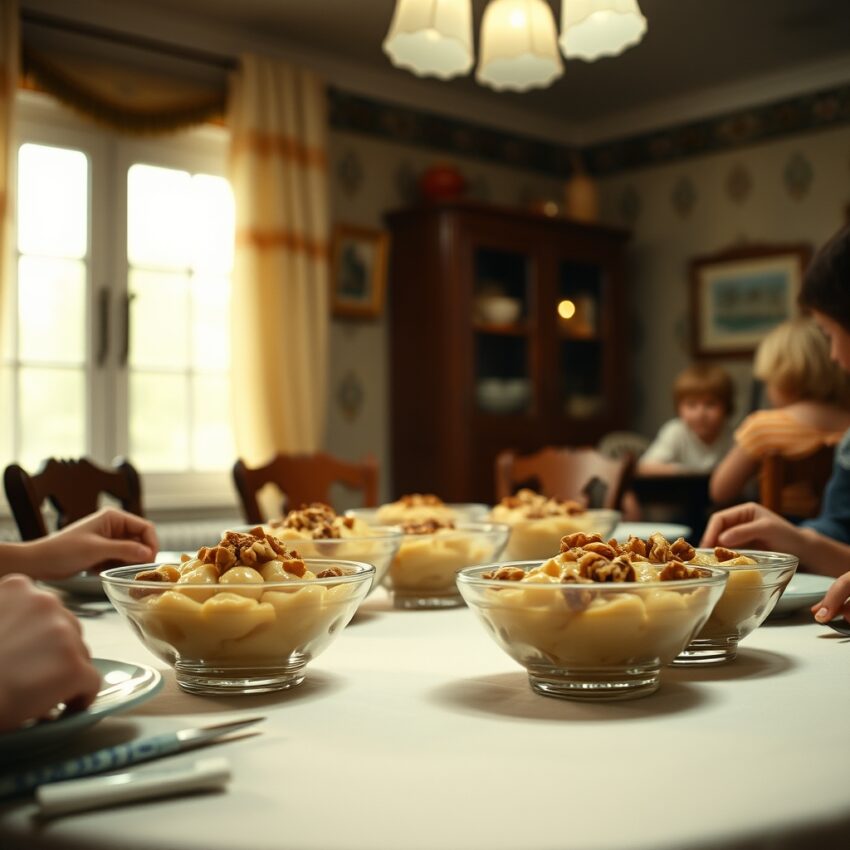
Bir zamanlar mutfaktan gelen tatlı kokusu, daha tencere ocaktan inmeden evin bütün havasını değiştirirdi. Eski usul pelte, gösterişli bir tatlı değildi; rengi bazen nar suyu gibi koyulaşır, bazen nişastanın şeffaflığıyla ışığı üstünde tutar, üstüne serpiştirilen ceviz ya da tarçınla sade bir güzellik kazanırdı. Ama asıl etkisi görünüşünden değil, kurduğu sofradan gelirdi. Çünkü pelte çoğu zaman tek kişilik bir tatlı değil, kalabalık aile masasının sonunda herkese küçük küçük dağıtılan ortak bir tattı. Kaşıkların aynı anda tabağa değmesi, çocukların kendi payını kollaması, büyüklerin “biraz daha var” diye seslenmesi, tatlının etrafında yalnız lezzet değil aidiyet de kurardı.
Damak Hafızası açısından pelte, eski mutfak kültürünün mütevazı ama güçlü örneklerinden biridir. Evde bulunan malzemeyle yapılabilmesi, meyve suyu ya da şerbetle çeşitlenebilmesi, ağır şerbetli tatlılara göre daha hafif bir son söz gibi sofraya gelmesi onu birçok evde unutulmaz kılmıştı. Eski gazetelerde ya da kadın dergilerinde nişastalı tatlı tarifleri, ekonomik mutfak önerileri ve mevsim meyvelerini değerlendirme usulleri yer aldığında aslında yalnız yemek değil, aile düzeni anlatılırdı. Pelte bu düzen içinde hem tasarrufun hem özenin tatlı karşılığıydı. Tencerenin başında kıvam tutturmak maharet ister, topaklanmaması için sabırla karıştırmak gerekirdi. Bu küçük emek, sofraya geldiğinde çok daha büyük bir duyguya dönüşürdü.
İlk lokmada çocukluğu hatırlatmasının nedeni biraz da peltenin yalnız ağızda değil, evin bütün sahnesinde yer etmiş olmasıdır. Tatlı soğusun diye pencere önüne bırakılan kaseler, buzdolabı yaygınlaşmadan önce serin taşlıkta bekletilen tepsiler, kaşığın yüzeyde bıraktığı iz, mutfakta dolaşan meyve ve nişasta kokusu, hepsi birlikte belleğe kaydolurdu. Çocuk için pelte çoğu zaman sabırsızlık demekti; daha tam koyulaşmadan tencereye bakmak, üstündeki buğunun dağılmasını beklemek, ilk servis kime yapılacak diye mutfağın kapısında oyalanmak demekti. Büyükler içinse aileyi aynı sofrada tutmanın sakin yollarından biriydi. Pahalı ya da gösterişli olmayan bir tatlıyla bile herkesin yüzünde aynı memnuniyetin oluşabilmesi, eski ev düzeninin sıcak tarafını gösterirdi.
Kalabalık aile sofraları bu tadı daha da unutulmaz kılan çerçeveyi sağladı. Çünkü pelte çoğu evde tek başına yenmez, akşam yemeğinin ardından çayın ya da meyvenin yanına ilişen bir tamamlayıcı gibi sunulurdu. Masada amca, hala, anneanne, kuzen, komşu çocuk ya da misafir varsa tatlının anlamı da büyürdü. Bir kaseyi bölüşmek, son kaşığı kime bırakacağını düşünmek, birinin tarif istemesi ya da “bizim evde buna karanfilli yapılırdı” demesi, lezzeti sözle ve hatırayla çoğaltırdı. Bu yüzden eski usul pelte yalnız mutfakta pişen bir tarif değil, sofrada çoğalan bir aile sesi hâline gelmişti. Tat bir kez ağızda belirir, ardından o sofranın gürültüsü, sandalye sesleri ve mutfaktan gelen son tabak şıngırtısı hafızada tamamlanırdı.
Bugün hâlâ ilk lokmada çocukluğu hatırlatmasının asıl sebebi, o tadın basitliğinde saklı duygusal yoğunluktur. Bazı yiyecekler gösterişli değildir ama doğrudan eve bağlanır. Pelte de böyledir; serin, yumuşak, hafif titrek dokusuyla insanı bir anda yıllar önceki mutfaklara, açık pencere önlerine ve kalabalık akşam sofralarına götürür. İçinde sadece nişasta, şeker, meyve suyu ya da su değil; bekleme, paylaşma, ölçü, sabır ve birlikte yeme alışkanlığı da vardır. Bu nedenle peltenin unutulmayan tadı aslında tek başına bir tatlı tadı değil, ailece yaşanmış zamanın damakta kalan şeklidir. İlk lokmada çocukluğun dönüp gelmesi de tam bundan olur.
🇬🇧 English | Old-Style Pelte and the Unforgotten Taste of Crowded Family Tables: Why Does It Still Recall Childhood at the Very First Bite Even Today?
There was a time when the sweet scent rising from the kitchen changed the atmosphere of the whole house before the pot had even been taken off the stove. Old-style pelte was never a showy dessert. Sometimes its color deepened like pomegranate juice, sometimes the transparency of starch held the light on its surface, and a scattering of walnuts or cinnamon gave it a quiet beauty. Yet its real force came not from appearance, but from the table it created. Pelte was usually not a dessert for one person. It was a shared taste placed at the end of a crowded family meal and portioned out in small bowls for everyone. The sound of spoons touching the dish at once, children guarding their share, and elders calling, “there is a little more,” created not only flavor around the dessert, but belonging.
As part of taste memory, pelte is one of the modest yet powerful examples of old kitchen culture. The fact that it could be made from ingredients already in the house, varied with fruit juice or syrup, and served as a lighter final note than heavier sweets made it unforgettable in many homes. When old newspapers or women’s magazines printed starch-based desserts, economical kitchen advice, or methods for using seasonal fruit, they were describing not only food, but also family order. Pelte was the sweet counterpart of both thrift and care within that order. Achieving the right consistency demanded skill, and preventing lumps required patient stirring. By the time this small labor reached the table, it had turned into a much larger feeling.
The reason the first bite still recalls childhood is that pelte settled not only on the tongue, but across the whole domestic scene. Bowls left by the window to cool, trays set in a cool stone pantry before refrigerators became common, the trace left by a spoon on the surface, and the smell of fruit and starch circulating through the kitchen all entered memory together. For a child, pelte often meant impatience: peeking into the pot before it had fully thickened, waiting for the steam to lift from the top, lingering in the kitchen doorway to see who would be served first. For adults, it was one of the calm ways of holding the family around the same table. The fact that even a dessert that was neither costly nor ostentatious could place the same satisfaction on every face showed the warm side of the old household order.
Crowded family tables provided the frame that made this taste even more unforgettable. In many homes pelte was not eaten alone, but served after dinner like a gentle companion to tea or fruit. If an uncle, aunt, grandmother, cousin, neighbor’s child, or guest was at the table, the meaning of the dessert grew larger. Sharing one bowl, thinking about whom to leave the final spoonful, hearing someone ask for the recipe, or hearing the remark, “in our house this used to be made with cloves,” multiplied the taste through words and memory. That is why old-style pelte became not only a recipe cooked in the kitchen, but a family sound growing at the table. The taste appeared first in the mouth, and then the noise of the meal, the movement of chairs, and the last clink of dishes from the kitchen completed it in memory.
The real reason it still recalls childhood at the first bite is the emotional density hidden inside its simplicity. Some foods are never spectacular, yet they attach themselves directly to the idea of home. Pelte is one of them. With its cool, soft, slightly trembling texture, it carries a person at once to kitchens from years ago, to open windowsills, and to crowded evening tables. Inside it there is not only starch, sugar, fruit juice, or water, but also waiting, sharing, proportion, patience, and the habit of eating together. For that reason, the unforgotten taste of pelte is not simply the flavor of a dessert. It is the shape that time lived as a family leaves on the palate. That is why childhood returns with the very first bite.
🇧🇷 Português (Brasil) | O Sabor Inesquecido da Pelte à Moda Antiga e das Mesas de Família Cheias: Por Que Ainda Hoje Faz Lembrar a Infância Já na Primeira Mordida?
Houve um tempo em que o cheiro doce vindo da cozinha mudava o ar da casa inteira antes mesmo de a panela sair do fogo. A pelte à moda antiga nunca foi uma sobremesa vistosa. Às vezes sua cor escurecia como suco de romã, às vezes a transparência do amido segurava a luz na superfície, e uma pitada de nozes ou canela lhe dava uma beleza discreta. Mas sua força verdadeira não vinha da aparência, e sim da mesa que ela criava. A pelte quase nunca era uma sobremesa individual. Era um sabor compartilhado, servido no fim de uma refeição de família cheia e dividido em pequenas porções para todos. O som das colheres tocando o prato ao mesmo tempo, as crianças cuidando da própria parte e os mais velhos dizendo “ainda tem mais um pouco” criavam em torno da sobremesa não apenas gosto, mas pertencimento.
Dentro da memória do paladar, a pelte é um dos exemplos modestos e fortes da antiga cultura de cozinha. O fato de poder ser feita com ingredientes já existentes em casa, variar com suco de fruta ou calda e chegar à mesa como uma nota final mais leve do que os doces pesados fez dela algo inesquecível em muitas casas. Quando jornais antigos ou revistas femininas publicavam receitas com amido, sugestões de cozinha econômica e maneiras de aproveitar frutas da estação, descreviam não apenas comida, mas também a ordem da família. Nesse contexto, a pelte era a face doce tanto da economia quanto do cuidado. Acertar o ponto exigia habilidade, e evitar grumos pedia paciência ao mexer. Quando esse pequeno esforço chegava à mesa, ele já tinha se transformado num sentimento bem maior.
O motivo de a primeira colherada ainda lembrar a infância está no fato de a pelte não se fixar só na boca, mas em toda a cena da casa. Tigelinhas colocadas na janela para esfriar, travessas deixadas num espaço fresco antes de a geladeira se tornar comum, a marca da colher sobre a superfície e o cheiro de fruta com amido percorrendo a cozinha entravam juntos na memória. Para uma criança, a pelte significava muitas vezes impaciência: olhar dentro da panela antes de engrossar por completo, esperar o vapor da superfície se dispersar, ficar rondando a porta da cozinha para descobrir quem receberia a primeira porção. Para os adultos, era um dos modos tranquilos de manter a família em torno da mesma mesa. O fato de até uma sobremesa simples e nada ostentosa conseguir colocar a mesma satisfação em todos os rostos revelava o lado caloroso da antiga ordem doméstica.
As mesas cheias de família ofereciam a moldura que tornava esse sabor ainda mais inesquecível. Em muitas casas, a pelte não era comida sozinha, mas servida depois do jantar como um complemento suave ao chá ou à fruta. Se à mesa havia tio, tia, avó, primo, filho da vizinha ou algum convidado, o significado da sobremesa crescia. Dividir uma tigela, pensar em quem ficaria com a última colherada, ouvir alguém pedir a receita ou comentar “na nossa casa isso levava cravo” ampliava o sabor por meio das palavras e da lembrança. Por isso a pelte à moda antiga se tornou não apenas uma receita feita na cozinha, mas um som de família que crescia à mesa. O gosto surgia primeiro na boca, e logo depois o barulho da refeição, o arrastar das cadeiras e o último tilintar de pratos vindo da cozinha completavam a lembrança.
O verdadeiro motivo de ela ainda fazer lembrar a infância já na primeira mordida está na densidade afetiva escondida em sua simplicidade. Alguns alimentos não são espetaculares, mas se ligam diretamente à ideia de casa. A pelte é um deles. Com sua textura fresca, macia e levemente trêmula, ela leva a pessoa de volta, num instante, às cozinhas de anos atrás, às janelas abertas e às mesas cheias do fim da tarde. Dentro dela há não só amido, açúcar, suco de fruta ou água, mas também espera, partilha, medida, paciência e o hábito de comer juntos. Por isso, o sabor inesquecido da pelte não é apenas o gosto de uma sobremesa. É a forma que o tempo vivido em família deixa na boca. E é por isso que a infância volta logo na primeira colherada.