 Eski Pano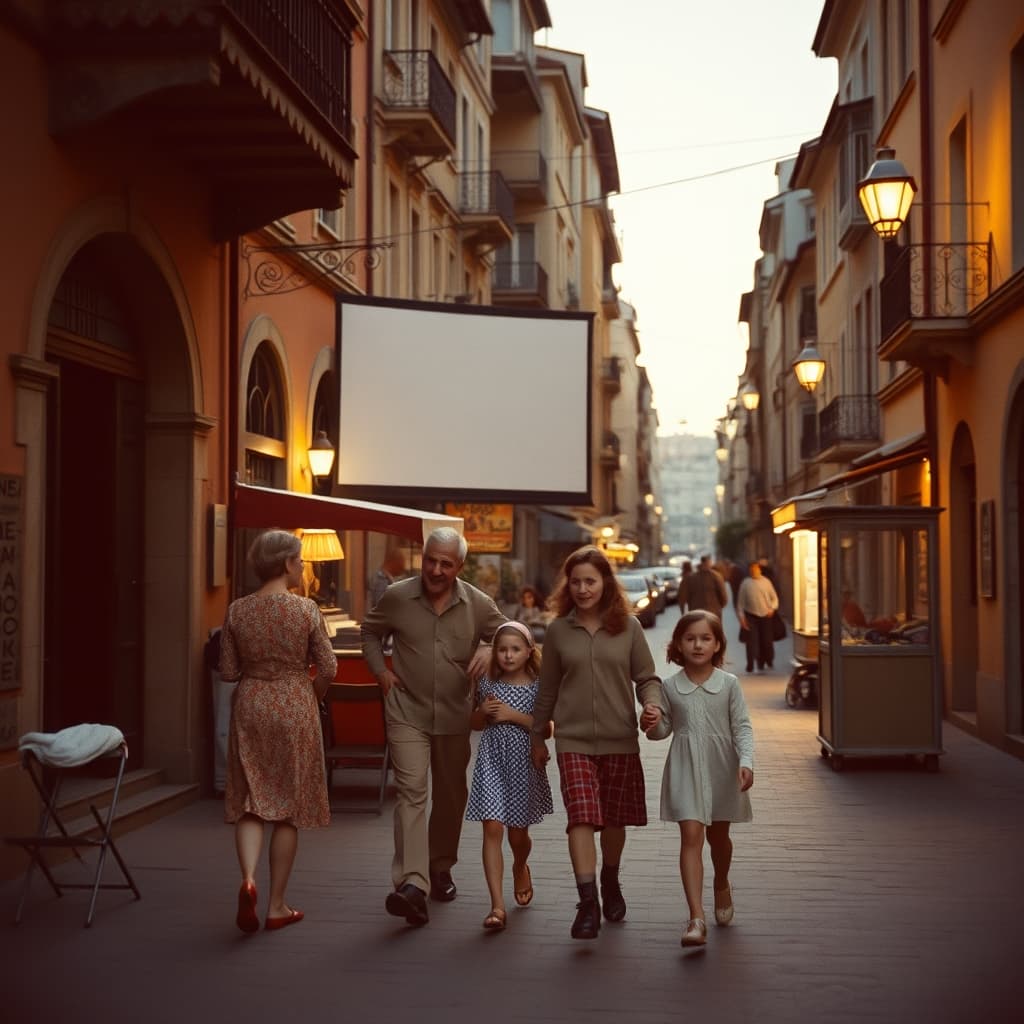
When an open-air cinema ended, its audience did not disappear at the gate. Families, couples and groups of children entered the surrounding streets together, carrying the final scene into conversation. Chairs scraped behind them, a projector cooled and vendors counted what remained. For a short period, the neighbourhood received a crowd moving in the same direction under the night air.
Summer cinemas varied from purpose-built gardens to temporary screens in open plots. Their schedules depended on weather, darkness, film distribution and local demand. The screen created a public event, but the walk home extended it. People compared actors, repeated jokes and argued about endings before reaching separate doors.
The Return Route Produced Practical Safety
Walking in numbers could make late travel feel safer. Adults noticed which children belonged to which household, waited at crossings and accompanied older neighbours. Familiar shopkeepers and street vendors provided lit points along the route. This was not perfect security, and women and girls could still face harassment or restrictions. Community trust should be described without claiming that danger did not exist.
The street also had limits. Excited voices and running feet disturbed residents who had not attended. Informal courtesy meant lowering conversation near sleeping homes and gathering without blocking doors. A cohesive neighbourhood depended not only on sociability but also on the ability to recognise another person's need for quiet.
Projection Labour Continued After the Credits
While viewers discussed the film, workers handled reels, equipment, seats and rubbish. Projection required focus, changeovers, lamp care and rapid response to a broken film. Ticket sellers, ushers, cleaners and snack vendors shaped the evening. Their labour made collective enchantment possible and often lasted after the audience had gone.
Film prints travelled between venues and accumulated scratches, splices and missing frames. Sound and image could falter, producing whistles or interruptions that audiences remembered alongside the story. These imperfections were technical conditions, not proof that every screening was intimate or joyful.
A Shared Film Became Neighbourhood Conversation
The next day, the movie continued at groceries, workshops, balconies and water fountains. People who missed it heard summaries of varying accuracy. Children reenacted scenes, while adults discussed costumes, morality or politics according to the film and period. One admission ticket could therefore generate many hours of local conversation.
Television, changing land values, new cinemas, transport patterns and home entertainment contributed to the decline of many summer venues. Some survived or returned as cultural programmes. Their histories should be mapped precisely because plots were redeveloped and names reused. A remembered screen may otherwise become detached from its actual street.
A Digital Nostalgia Archive can combine programmes, tickets, film advertisements, projection equipment, oral histories and walking routes. Interviews should include workers, nearby residents and people who did not feel welcome, as well as enthusiastic audiences. The post-cinema street mattered because a cultural event temporarily reorganised movement and attention. Neighbourhood solidarity was not created by the screen alone; it was practised on the way home through accompaniment, conversation, restraint and the repeated knowledge of where everyone belonged.