 Eski Pano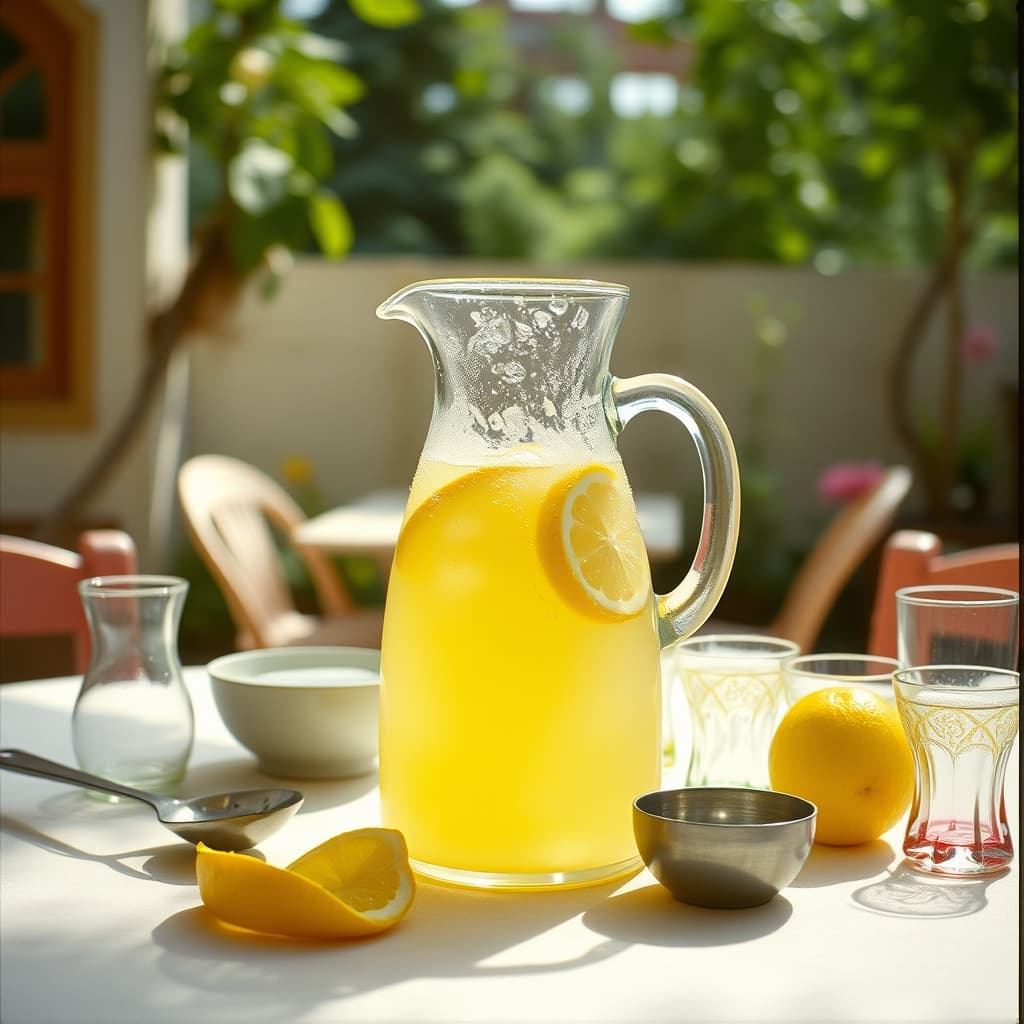
A jug of lemonade could make a summer afternoon feel planned even when the day had been improvised. The first glass carried coldness, acidity, sweetness and the fragrance released from peel. Children remembered the taste as immediate refreshment, but the drink began earlier with washing fruit, measuring sugar, extracting juice and finding enough cool water for everyone.
Homemade lemonade in Turkish kitchens has never followed a single formula. Some methods rubbed grated zest into sugar to capture aromatic oils. Others rested sliced lemons, used only juice or added orange for softness. Mint might appear at serving. The balance changed with the fruit, whose acidity, bitterness and aroma varied across season and storage.
The Peel Offered Fragrance and Bitterness
The yellow outer zest contains oils that give lemonade much of its recognisable scent. The white pith underneath is more bitter. Grating too deeply or leaving crushed peel for too long could dominate the drink. Cooks adjusted by straining, shortening the resting time or increasing dilution rather than simply adding more sugar.
Fruit needed thorough washing, especially when peel was used. Clean boards, knives and hands reduced contamination. Damaged or mouldy lemons should be discarded rather than trimmed for a raw drink. These basic decisions belong to the recipe as much as flavour does.
Cooling Was a Household Technology
Before every home had a large refrigerator, cooling might depend on a cool pantry, well water, ice bought from a vendor or a container wrapped and kept away from sun. Later refrigerators made advance chilling easier, though door space and family food still competed with a tall jug. Ice diluted the drink, so some households prepared a stronger mixture.
The glass jug and tumblers shaped perception. Condensation gathered outside, a spoon struck the rim and floating lemon slices signalled freshness. Yet decorative slices left for hours could add bitterness. Serving utensils and covered storage protected the drink from dust and insects during an open-window afternoon.
A Shared Jug Measured Hospitality
Lemonade could welcome a neighbour, accompany Bayram preparation or reward children after play. The host judged whether the jug would stretch to another glass and whether more water or sugar should be added. Such adjustment was practical hospitality, although it also reflected the hidden labour of the person returning repeatedly to the kitchen.
Sweetness deserves historical context. Sugar availability, price and family preference affected recipes. A strongly sweet childhood memory should not be turned into a health claim. Modern households may reduce sugar, serve smaller portions or emphasise citrus aroma, while preserving the social ritual of a shared cool drink.
A Digital Nostalgia Archive can collect recipes together with lemon source, season, zest technique, cooling method, jug type and number served. Handwritten ratios and stained strainers reveal adaptation better than a perfected photograph. The taste recalls childhood because it combined several sensory cues at once: cold glass, sharp fragrance, street heat and a pause at the table. Preserving that memory responsibly means acknowledging the washing, grating, straining and cooling that made the effortless first sip possible.