 Eski Pano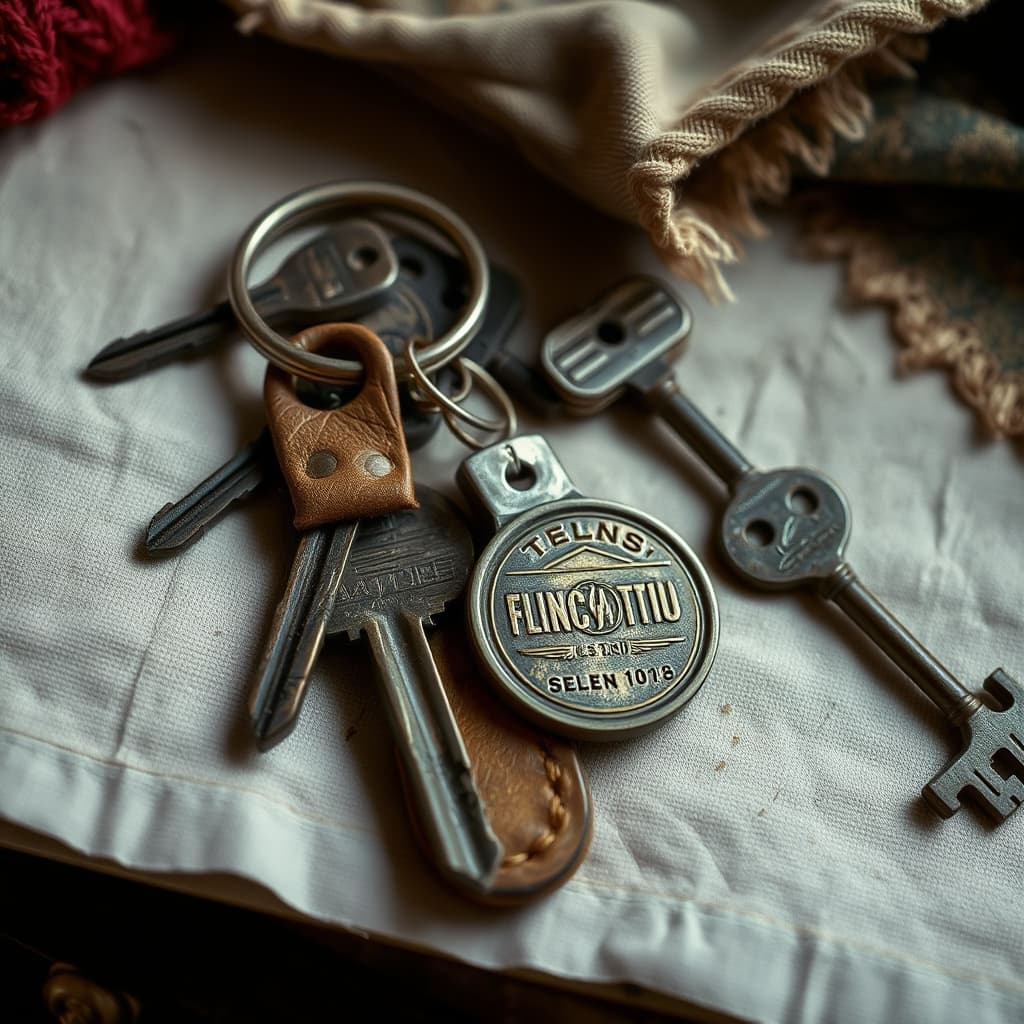
An old keyring found at the bottom of a chest can feel immediately important even when no one recognises its keys. Worn edges show handling, a faded token suggests a shop or journey, and different keys imply that the group changed over time. The object shines for nostalgia collectors because it is compact evidence of movement, access, responsibility, and places that may no longer exist.
Keyrings vary from simple split rings and leather fobs to chains, clips, advertising plaques, hotel tags, souvenir miniatures, religious tokens, and handmade repairs. Keys can belong to doors, wardrobes, desks, trunks, vehicles, machinery, padlocks, or no surviving lock at all. Shape alone rarely establishes purpose or age. Maker marks, patents, catalogues, property records, photographs, and testimony should be compared.
Wear Mapped the Hand and Pocket
Polished high points, bent rings, scratches, textile fibres, paint, corrosion, and replacement links show how the object travelled. A key used daily may wear differently from one stored for years. Dirt can preserve residues and associations, so aggressive polishing before examination may erase evidence. Photographing both sides, dimensions, marks, and attachment order should precede cleaning.
A mixed keyring is an edited object. Someone added a house key, removed a workplace key, attached a promotional fob, or kept an obsolete key after moving. The sequence may reflect a job, marriage, inheritance, retirement, travel, or simple convenience. Without a named source, these remain hypotheses. A compelling interpretation should not be promoted to family fact merely because it fits the object.
Keys Carry Security and Privacy
A historic-looking key may still open a current door, cabinet, vehicle, storage unit, or institutional space. Detailed public photographs can reveal bitting patterns, addresses, tag numbers, or access systems. Before publication, archivists should establish whether the lock remains active, remove identifying address labels from access copies, and consult owners. Physical possession is not permission to test every lock.
Hotel and workplace tags can expose personal travel, employment, room numbers, or security practices. Lost-property labels may contain names and telephone numbers. These details help provenance but may affect living people. Restricted metadata, redaction, delayed release, and clear access rules allow research without turning a family keepsake into a security leak.
Conservation Begins with Separation of Risks
Iron, steel, brass, aluminium, plated metals, leather, plastic, paint, and paper can react differently to moisture and cleaning. Corrosion from one component can stain another. Cellulose nitrate or unstable early plastics require specialist identification and safe isolation. Oils and metal polishes may darken leather, remove plating, spread residues, or make labels unreadable.
Storage should be dry and stable, with support that prevents heavy keys from pulling on fragile fobs. Each component's position can be photographed and numbered without permanently marking the object. Detached pieces belong in labelled enclosures linked to the record. Gloves may protect some surfaces, but secure handling is essential because dropped keys can chip, scratch, or injure.
Collectors should establish legal and ethical provenance. Keys removed from active buildings, archaeological sites, railway property, hotels, workplaces, or abandoned houses may be stolen, unsafe, or culturally sensitive. A sale listing is not proof of lawful removal. Receipts, previous owners, find circumstances, and uncertainty should follow the keyring into any collection.
A Digital Nostalgia Archive can connect the keyring with locks, property plans, shop advertisements, hotel records, travel photographs, chest inventories, moving lists, repair marks, and family interviews. The object glows because it suggests doors, but its strongest story comes from disciplined restraint. Preserving it means reading wear and additions while respecting active security, privacy, mixed materials, provenance, and the possibility that some keys will remain unidentified.