 Eski Pano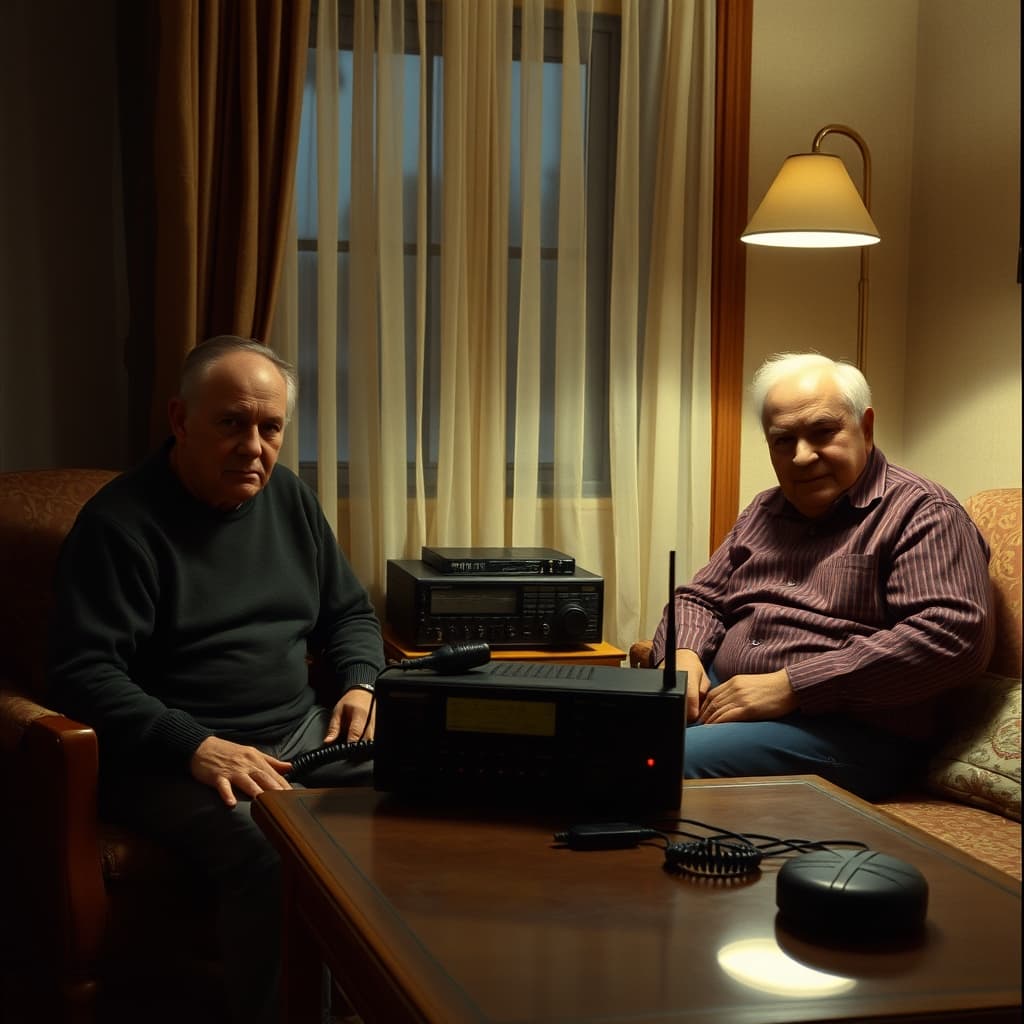
The most attentive moment around an amateur radio set could be the one in which nobody in the room spoke. The operator had called, then stopped transmitting. A reply might follow, or there might be no clear answer. For relatives sitting nearby, this interval made communication feel different from a programme that continued regardless of whether its audience was waiting.
The interest lay in a possible exchange, not a promised performance. Amateur radio brought a remote participant into the household’s attention only when conditions and other people allowed it. The sitting room could prepare to listen, but it could not decide that the distant voice would arrive on cue.
Calling Was Followed by Listening
The International Amateur Radio Union’s DX Code of Conduct emphasises listening before calling and allowing a reasonable interval afterwards rather than calling continuously. It also asks operators to respect contacts already in progress and calls addressed to someone else. This etiquette helps explain the wait as a purposeful part of communication, not merely empty time between words.
A family memory should still distinguish what its particular operator did from general guidance. The equipment, period and kind of contact matter. A spoken exchange should not be assumed if the station used another mode. Here the focus is a remembered voice contact and the attention surrounding it, rather than a universal description of every amateur station.
The Family Heard a Different Kind of Silence
Someone familiar with the activity might listen for a recognisable response while another relative simply waited for any voice. They occupied the same room without hearing the interval in exactly the same way. The operator’s technical attention and a visitor’s curiosity could coexist beside the receiver.
A small movement could acquire importance in the pause. A hand remained near the controls; another person delayed a question. This did not require the household to become perfectly silent for an entire evening. The brief adjustment made space for a possible reply within a room that still had other uses.
A Voice Needed to Be Recognised, Not Just Heard
Hearing speech did not by itself establish that the call had been answered. The operator needed to understand enough to identify the exchange. Nearby listeners might hear the excitement in a reaction before they understood its reason. The link between sound and recognition was part of the experience.
The Code’s attention to call signs and to whom a call is addressed reinforces this distinction. A response intended for another station was not an invitation to take over. The drama of distance rested on listening accurately to other participants, not simply on filling the room with a remote voice.
No Reply Was Also an Ending
An unanswered call could lead to another attempt later or to the session being set aside. The family’s expectation did not guarantee a successful contact. Remembering the unsuccessful intervals prevents a home station from becoming a collection of extraordinary moments with all the ordinary waiting removed.
A successful reply changed the atmosphere differently. The possible exchange had become an actual one, and attention moved towards following it. The people nearby might stay, ask afterwards what had happened or return to their own activities. Participation in the household scene did not make them all operators.
The quiet interval preserved the uncertainty that made amateur radio engaging. A person in one room offered a call; someone elsewhere might choose and be able to answer. Between those acts, the family shared a wait without controlling its outcome. That experience gave the equipment a place in domestic memory: a corner of the sitting room briefly organised around listening for another person.