 Eski Pano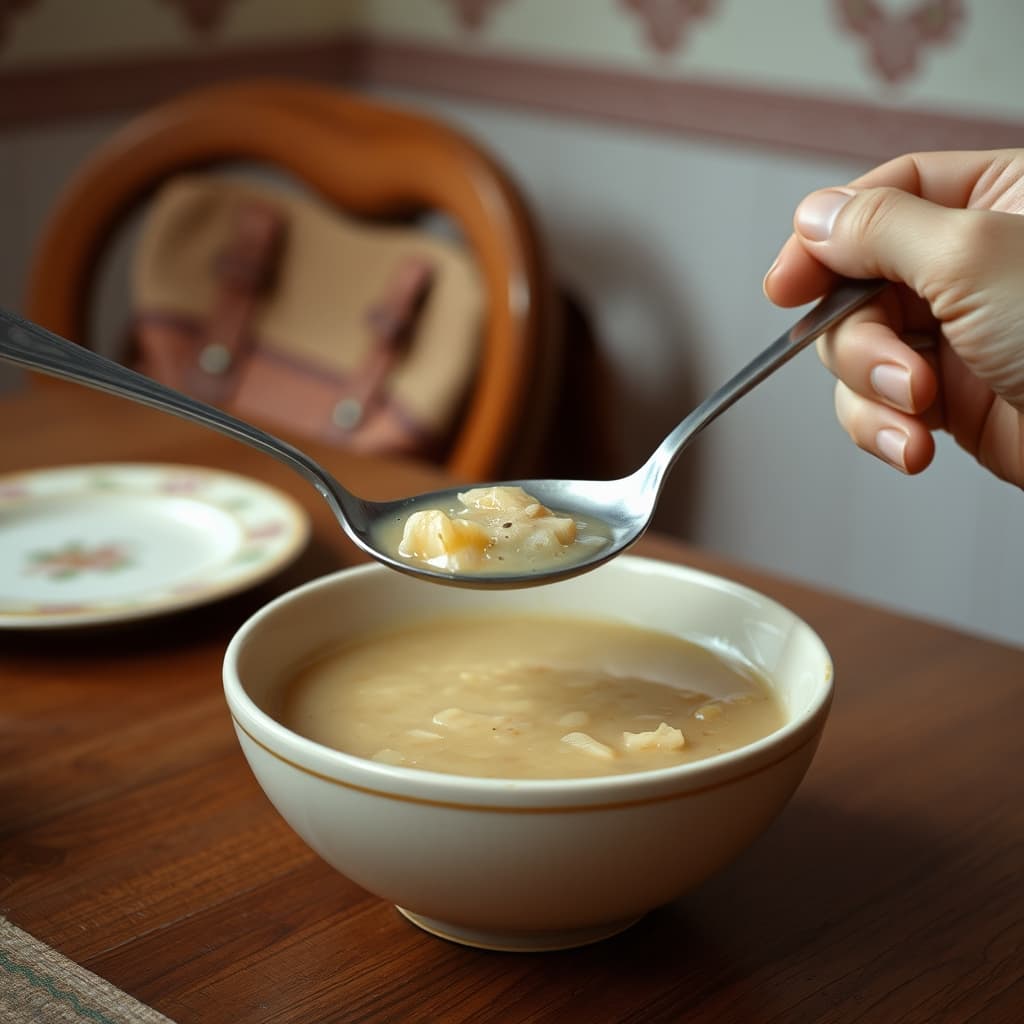
The first spoonful of tarhana after school began before the spoon reached the mouth. A bowl was placed within reach, the surface moved slightly, and the returning child looked at a food already familiar from other days. The first choice might be a shallow spoon from the edge or a fuller one from the centre. Even before tasting, the meal had acquired a small personal sequence.
The soup’s place in family memory is easier to understand through that encounter than through a claim that every household followed one recipe. Tarhana preparations differ, and so do the finished bowls. What was familiar at one table could be the colour, thickness or flavour that another family would have found different.
The Surface Offered a First Impression
A bowl of soup looked different before it was disturbed. The surface could appear smooth, or show ingredients and small variations belonging to the actual preparation. These details should be described from the remembered bowl rather than borrowed from a supposedly standard version.
The spoon changed that view immediately. It drew a path through the surface and returned with a portion whose texture could be felt as well as seen. A thin spoonful moved differently from a thicker one. The first taste was therefore also an encounter with the consistency the household had chosen that day.
A Familiar Bowl Still Required a Moment
Someone coming home hungry might want to begin at once, while the person serving asked them to wait. That interval could be part of the routine without becoming its most memorable feature. The soup was present, but the first mouthful did not necessarily follow immediately.
A spoon rested at the rim or returned to the bowl while conversation began. A question about school might receive an answer before eating continued. The order varied from home to home. Remembering the wait keeps the meal connected to the person arriving and the person serving, rather than presenting the bowl as comfort that appeared by itself.
The First Taste Met an Existing Expectation
A child familiar with the soup had something to compare it with. The bowl might seem thicker than usual, or a flavour stand out more clearly. Recognising a difference did not mean the family recipe had been abandoned. Quantities, additions and the particular preparation could change the result without replacing the household’s understanding of the dish.
The exact cause of a remembered flavour needs the cook’s account. Sourness alone cannot tell us the full ingredient list or how a stored tarhana mixture was prepared. It is possible to describe the taste without reconstructing an undocumented method. The family’s recipe matters most when its specific choices are kept distinct from guesses made afterwards.
Another Spoonful Made the Bowl Less Formal
As eating continued, the untouched serving became a meal in progress. The level changed, the spoon returned to familiar parts of the bowl, and attention could move between food and conversation. The first spoonful remained important partly because it marked this transition from arrival to sitting down.
Not every child enjoyed the same soup. A preference for a thinner portion or hesitation about a familiar taste belongs beside memories of eagerness. The family recipe held a place in everyday life even when the people eating it disagreed. Affection for the routine should not make the responses at the table identical.
Tarhana’s special place in an after-school memory comes from a repeated preparation meeting a particular appetite at a particular moment. The bowl, the spoon and the brief wait gave a family recipe a recognisable form without making it universal. Its flavour could be carried across many days, while the first mouthful brought the returning child into the household’s present meal, one spoonful at a time.