 Eski Pano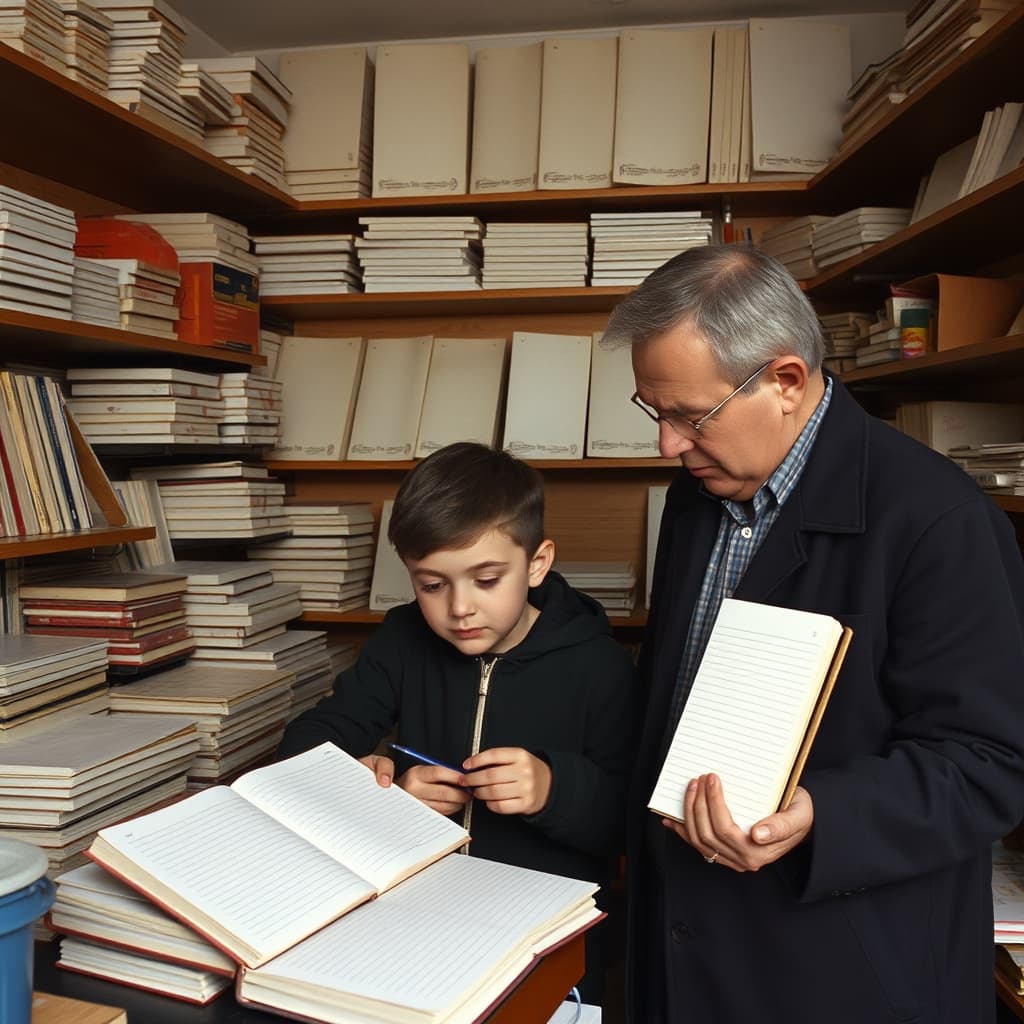
A first stationery purchase could be full of uncertainty. On a later visit, the customer had something to refer to: the notebook that had worked, the size used at school or the page layout they wanted again. Returning to the corner kırtasiye with a familiar request changed the conversation. The shop was becoming a place where a need could be described more accurately.
The relationship with the shopkeeper grew through these repetitions, not only through long hours of browsing. A child might become more confident about asking, while the person behind the counter learned which questions helped identify the item. Recognition was useful, but it still had to be joined to checking what was actually required.
A Remembered Cover Was Only a Starting Point
The colour of a cover could be easier to recall than the layout inside. A similar-looking notebook might contain different ruling or have another size. The customer’s memory and the shopkeeper’s stock therefore needed to meet at the object itself. Opening a sample or comparing an existing notebook could clarify what words alone had left uncertain.
This comparison also gave the customer a role beyond receiving whatever was handed over. They could notice a difference and ask about it. The exchange was a small practical lesson in stating a need, checking a suggestion and deciding whether it matched. Confidence came from that participation, not merely from being recognised at the door.
The Shopkeeper Could Remember and Still Ask
A familiar face did not mean that the same purchase was always wanted. Another school subject, a changed requirement or a different household errand could bring the customer back. Asking again allowed recognition to remain helpful without turning it into an assumption.
From the shopkeeper’s side, many similar requests had to be distinguished. The useful memory might be of the notebook type rather than the person’s name. Recalling one did not establish that every detail of a child’s school life was known. A shop relationship could be close in a particular task without becoming an intimate knowledge of the family.
The Usual Item Might Not Be There
When the familiar notebook was unavailable, the return visit required another decision. The customer could compare an alternative, wait or take the question home. Which happened depended on time, budget and the actual requirement. The shopkeeper’s explanation mattered most when there was no immediate identical replacement.
Trust could grow from an honest distinction between similar and suitable. A cover that looked familiar was not enough if the pages did not serve the need. This gave the counter conversation a practical purpose beyond friendliness: it helped avoid a purchase that would have to be explained or replaced later.
A Successful Choice Travelled Back to School
Once the notebook entered use, the visit acquired a result beyond the shop. Its pages could support the work intended for them, or reveal that another detail had been overlooked. The next return might bring that information back across the counter. The relationship developed through feedback as much as through repeated payment.
Children and adults could take different parts in this sequence. A parent might make the purchase after a child described the need, or the child might ask directly. These arrangements should not be merged into one model of independent childhood. The bond with the neighbourhood trader could be built through either route.
Returning for the same notebook made the corner shop familiar in a specific way. The customer arrived with experience, the shopkeeper responded with stock and questions, and both checked a modest object that mattered elsewhere. The hours remembered in the kırtasiye were not all spent admiring its shelves. Some belonged to learning how to ask for something, and discovering that a familiar counter could help make the request clearer.