 Eski Pano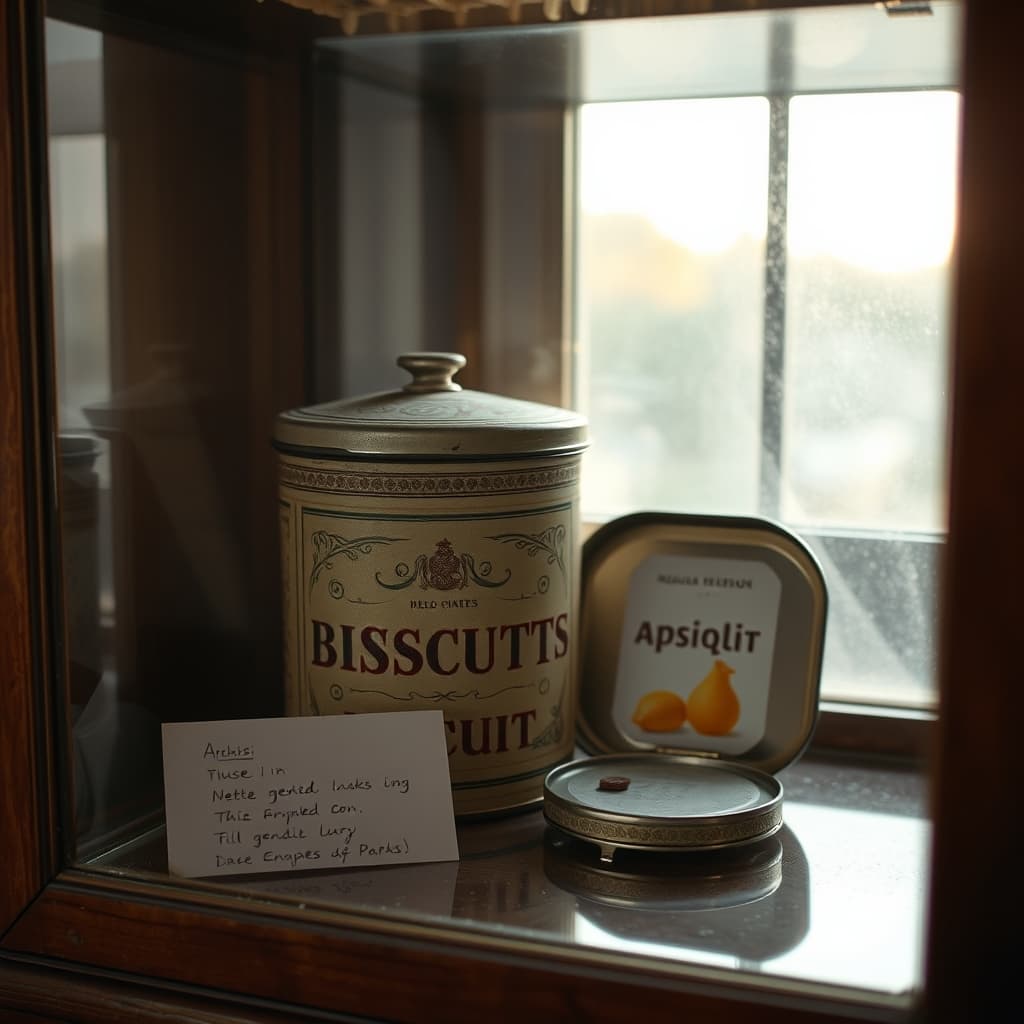
An old biscuit tin can return to the most visible corner of a living-room cabinet without returning to food service. That distinction matters. A familiar lid and colourful surface invite reuse, yet age, rust, unknown coatings and earlier contents may make direct food contact unwise. Renewed interest in tins is best served by looking closely at what survives and choosing a role that respects both the object and the household.
Tin is a convenient family name for containers made from thin metal sheet, often formed, joined and decorated in ways that vary by manufacturer and period. A photograph cannot establish composition or food safety. Neither can nostalgia. Begin by recording dimensions, lid type, seams, dents, decoration and any marks without polishing them away. Provenance should state what relatives remember and where certainty ends.
The Seam Tells a Different Story from the Picture
Printed decoration attracts the eye, but edges and seams reveal use. Repeated opening can loosen a lid; dents can disturb a joint; scratches may expose metal beneath a coating. Red or brown corrosion, flaking surfaces, sticky residue, powder, pinholes and sharp edges are reasons to stop food use. An unfamiliar odour or evidence that the box held chemicals, sewing supplies or pest treatments also changes the decision.
Cleaning should not begin with soaking. Water trapped in a rolled edge can encourage corrosion, while abrasive powders remove printing and protective surfaces. First use a soft dry brush or cloth, supporting weak areas and testing any further method in an inconspicuous place. Valuable, heavily corroded or unusually decorated tins deserve advice from a conservator. Household repair paint is not automatically safe for contact with food.
A Liner Cannot Solve Every Uncertainty
Placing packaged biscuits inside may reduce contact, but it does not repair sharp metal, active rust, mould, strong odour or unstable coating. Loose paper or cloth can retain moisture, and a plastic bag does not turn an unknown container into certified food storage. If the condition is uncertain, use a modern food-safe container for the biscuits and let the old tin serve as display or hold inert, non-sensitive objects.
Even non-food reuse needs thought. Old photographs and letters should not rest directly against corroding metal or acidic paper liners. Coins, jewellery and textiles may react with residues or rough surfaces. An archival box placed nearby can hold vulnerable family material while the tin remains associated through a catalogue number and photograph. The connection survives without forcing everything back inside.
The Cabinet Was Part of the Object’s Meaning
A prominent cabinet position could signal pride, decorative taste or simply a practical place beyond children’s reach. It should not be turned into a precise family history without testimony. Ask who chose the shelf, whether the tin was empty, what else stood beside it and when it moved. Changes in arrangement can reveal inheritance and household priorities more clearly than a general claim that such boxes were treasured everywhere.
Display brings its own care. Strong sunlight fades decoration; damp exterior walls and fluctuating temperature encourage corrosion. Support the tin on a stable shelf, keep the lid from falling and avoid stacking heavy objects on it. Photograph all sides before changing the arrangement. If lid and base no longer fit safely, store them together without forcing the closure.
A Digital Nostalgia Archive can preserve the tin’s surface, wear, remembered name, former contents and place in the room. It should also record the present decision: food use ended, dry display chosen, or professional assessment requested. The object does not lose meaning when it stops holding biscuits. Its next responsible use may be to show how a family kept, reinterpreted and protected an ordinary container after its first purpose was over.