Eski Pano
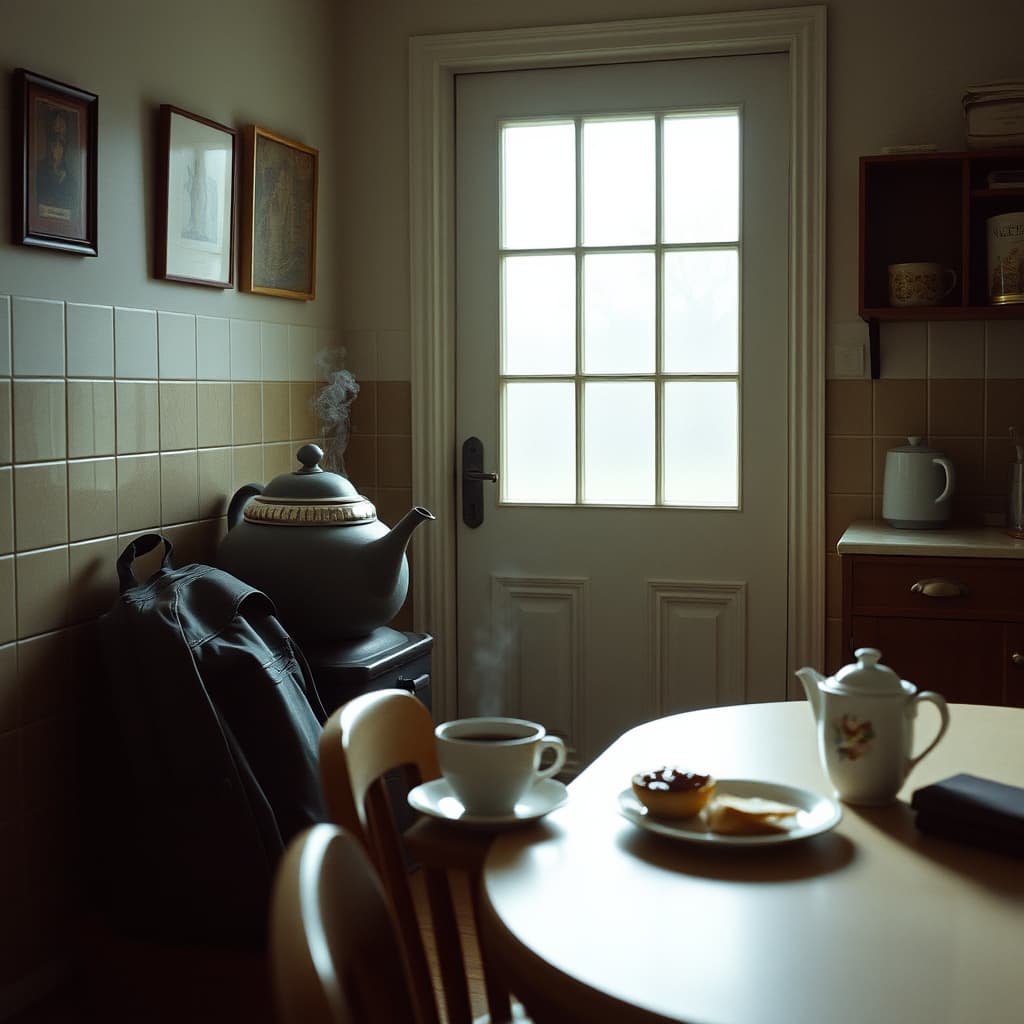
There was a time when coming home from school meant more than simply arriving at the house; it meant reaching the second warmth of the day. The moment the door opened, in the entry where shoes were taken off, a familiar scent met the body together with the slight chill carried indoors. Rabbit-blood-red tea spreading from the teapot established the language of late afternoon before anyone even sat down. A child’s hand reaching toward the plate, perhaps searching for a few slices of bread, some jam, or a small piece of cheese, belonged to a daily scene completed around that tea. During seasonal transitions, this scene gained even greater meaning. The looseness of summer had already withdrawn, yet the hardness of winter had not fully arrived. One day felt mild, the next windy and uncertain. In precisely that instability, the color, warmth, and aroma of the tea gave the house a sense of balance. The strong brew known as rabbit-blood-red had a gathering effect not only on the palate, but on the spirit.
From the perspective of taste memory, the smell of tea rising from the teapot is one of the most enduring threshold moments in Turkish domestic life. Morning tea has its place, and tea at the dinner table has another, but the tea of after-school return stands apart. It answers a period of waiting. After hours spent at school, the child returns to the safe rhythm of home; for adults, the second half of the day turns toward domestic tempo. The first spoon reaching the plate does not move only toward food, but toward rest, conversation, and recovery. A window fogging over, the dark color rising in the narrow glass, the sound of a metal spoon touching a plate in the kitchen all feel more intense during seasonal change. While the weather outside remains undecided, the tea ritual inside the house stays constant. Perhaps that is why the smell can still warm a person instantly many years later.
One reason this scene has settled so strongly in memory is that tea was never a drink consumed in isolation. It was the social form of coming home. While a mother said, “The tea has just finished brewing,” a child would begin to tell something that had happened at school. Small plates set on the table, bread crumbs, sometimes orange peel and sometimes tahini with molasses changed according to the season. On days turning toward autumn, toasted bread seemed to suit the tea best; on cool spring afternoons, the brightness of jam made the table seem lighter. The smell rising from the teapot did not remain in the kitchen. It moved into the corridor, the sitting room, and even the corner where the school bag had been dropped. It gathered the day’s fatigue scattered through the house. That is why strong tea gains more meaning during seasonal transitions: it soothes both the body’s chill and the day’s disorder at once.
Looking back now, it becomes clearer why that tea remained so special. The matter is not only taste, but rhythm. When the seasons change, a person’s inner balance changes too, and the home repairs it through small habits. The tea remembered with the first spoon reaching the plate after school becomes more than a drink for exactly that reason. It is the moment in which coming home is confirmed. Against wind outside, the possibility of rain, or an early darkness falling through the window, the smell of dark tea from the kitchen says that life is still in its place. When the same aroma is encountered years later, what fills the person is not only the past, but the consolation the past once offered. Rabbit-blood-red tea gains deeper meaning during seasonal transitions because it represents the warmth of home that does not change even when the weather does.
The Rabbit-Blood-Red Tea Spreading from the Teapot and Remembered with the First Spoon Reaching the Plate After School: Why Does It Gain Even More Meaning During Seasonal Transitions?