
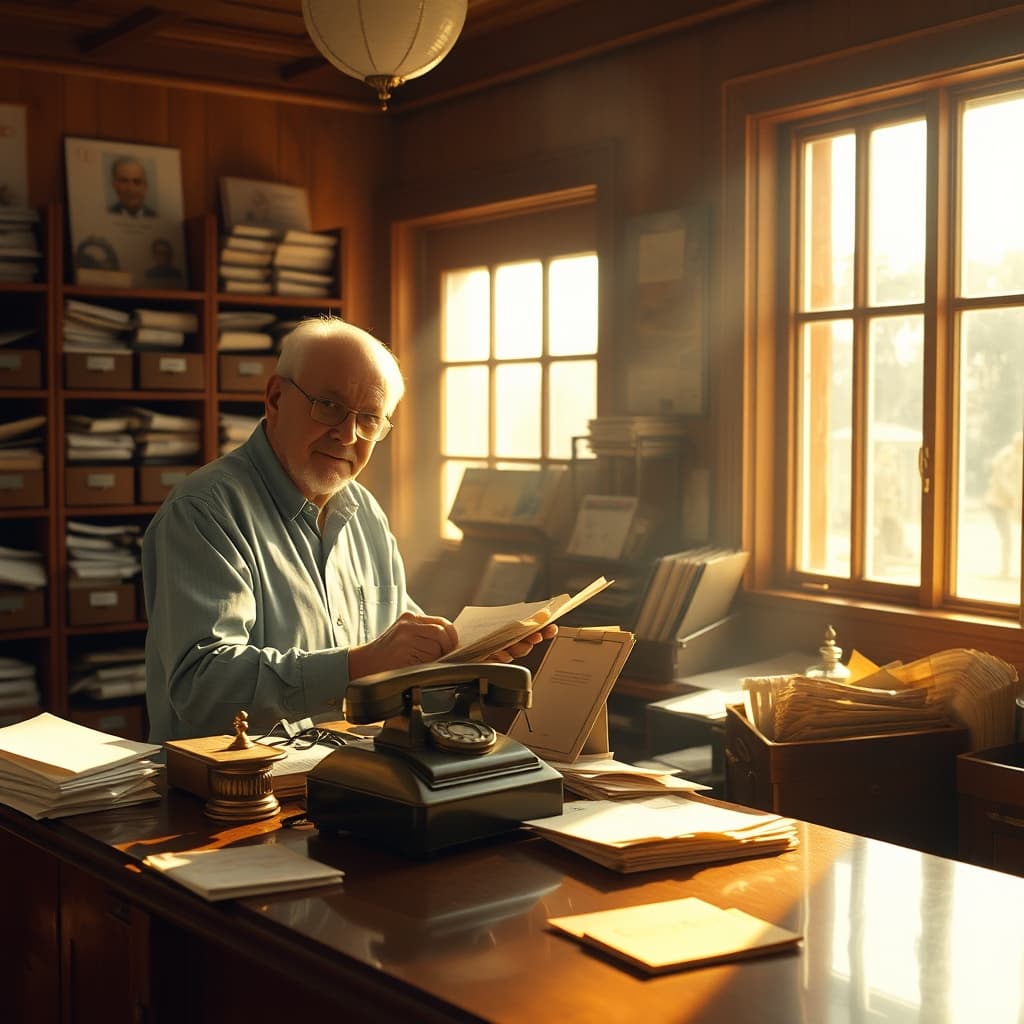
The Quiet Bustle of Old Post Offices as a Scene Never Fading from the Neighborhood Calendar: Why Holiday-Scented Days Are Still Remembered Like a Gentle Ache Today

🇹🇷 Mahalle Takviminden Düşmeyen Bir Sahne Olarak Eski Postanelerin Uzakları Yakın Eden Sessiz Telaşı: Neden Bugün Bile Bir Sızı Gibi Hatırlanıyor Tatil Kokulu Günler

🇵🇹 O Alvoroço Silencioso dos Antigos Correios Como uma Cena que Nunca Desaparece do Calendário do Bairro: Por que os Dias Com Cheiro de Férias Ainda São Lembrados Como uma Dor Suave Hoje

The Quiet Bustle of Old Post Offices as a Scene Never Fading from the Neighborhood Calendar: Why Holiday-Scented Days Are Still Remembered Like a Gentle Ache Today

🇬🇧 The Fragrant Echoes of Handwritten Letters and Waiting

There was a time when distance was not measured in instant blue ticks or gigabytes, but in the physical weight of paper and the slow passage of days. In those years, the local post office was not just a public building; it was the sacred bridge of the neighborhood, connecting hearts separated by mountains, seas, and long roads. Especially during the eves of holidays, New Year’s, or the peak of summer vacations, these small, wooden-countered spaces transformed into hubs of a unique, quiet bustle. Today, even in our hyper-connected world, the memory of those holiday-scented days lingers like a gentle ache in our hearts.

The Sanctuary of Distant Voices

Stepping into an old post office was a sensory experience. The air was a rich blend of dried glue, yellowing paper, heavy ink, and the faint scent of tea brewing in a back room. Behind the worn wooden counters, postmasters worked with a rhythmic, almost meditative speed. They were the silent keepers of a thousand secrets, joys, and sorrows.

In this sanctuary, people waited patiently in line, holding envelopes close to their chests as if protecting a fragile bird. There was no rush of modern anxiety here; instead, there was a shared understanding of waiting. Every stamp licked and stuck, every heavy ink stamp brought down with a satisfying thud, was a promise that a voice would soon travel across the country to find its listener.

The Ritual of the Holiday Card

The true magic of the post office blossomed during festive seasons. Weeks before a holiday, local stationery shops would display wire racks filled with postcards. Choosing the perfect card was a serious ritual. You would look for the one that best spoke your unspoken feelings—perhaps a snowy landscape for New Year, a bouquet of roses for a distant mother, or an illustration of a quiet coastal town for a summer greeting.

Writing those cards required a quiet corner at home, a steady hand, and a thoughtful mind. You couldn't delete a mistake with a backspace; every word had to be deliberate. Once written, they were carried to the post office. Dropping those colorful cards into the yellow metal mailbox was like releasing a flock of birds into the sky. The anticipation of their arrival, and the hope of receiving one in return, filled the days with a sweet, lingering excitement.

Why the Ache Persists

Why does the memory of those days still hurt with a sweet nostalgia today? Perhaps because we have traded the beauty of anticipation for the cold efficiency of immediacy. Today, we can send a message to the other side of the world in a millisecond, yet we often feel more disconnected than ever.

The old post offices taught us the value of patience. They reminded us that things of true worth require time, effort, and physical touch. The gentle ache we feel today is not just for the old buildings or the paper cards; it is a longing for a time when we were more present, when we waited with hope, and when a simple piece of paper carried the warmth of a human hand across the miles.

🇹🇷 El Yazısı Mektupların Ve Beklemenin Kokulu Yankıları

Uzaklığın anlık mavi tıklarla ya da gigabaytlarla ölçülmediği, kağıdın ağırlığıyla ve günlerin yavaş akışıyla hissedildiği bir zaman vardı. O yıllarda mahalle postanesi sadece resmi bir devlet dairesi değil; dağların, denizlerin ve uzun yolların ayırdığı kalpleri birbirine bağlayan kutsal bir köprüydü. Özellikle bayram arifelerinde, yılbaşı öncesinde ya da yaz tatillerinin tam ortasında, bu ahşap bankolu küçük mekanlar kendine has, sessiz bir telaşın merkezine dönüşürdü. Bugün, her an her yere ulaşabildiğimiz bu dijital çağda bile, o tatil kokulu günlerin hatırası içimizde ince bir sızı gibi yaşamaya devam ediyor.

Uzak Seslerin Sığınağı

Eski bir postanenin kapısından içeri adım atmak, duyusal bir yolculuğa çıkmak gibiydi. İçerideki hava; kuruyan tutkalın, sararmış kağıtların, ağır mürekkebin ve arka odada demlenen çayın kokusuyla harmanlanırdı. Aşınmış ahşap veznelerin arkasında çalışan memurlar, ritmik ve adeta meditatif bir hızla hareket ederlerdi. Onlar, binlerce sırrın, sevincin ve kederin sessiz bekçileriydi.

Bu sığınakta insanlar, ellerindeki zarfları göğüslerine bastırarak, sanki ürkek bir kuşu korur gibi sabırla sıra beklerlerdi. Modern zamanların o aceleci kaygısı yoktu burada; onun yerine beklemenin ortaklaşa paylaşılan huzuru vardı. Yalanıp yapıştırılan her pul, masaya tok bir sesle inen her mühür, bir sesin ülkenin bir ucundan diğer ucuna ulaşıp sahibini bulacağına dair verilmiş sessiz bir sözdü.

Bayram Kartlarının Ritüeli

Postanelerin asıl büyüsü, bayramlar ve özel günler yaklaştığında ortaya çıkardı. Haftalar öncesinden kırtasiye vitrinlerini süsleyen dönen tel stantlardaki kartpostallar arasından seçim yapmak, başlı başına bir törendi. Söyleyemediklerinizi en iyi anlatan o tek kartı arardınız: Belki karlı bir kış manzarası, belki uzaktaki bir anneye gönderilecek gül demeti, belki de yaz sıcağını müjdeleyen sakin bir sahil kasabası resmi.

O kartları yazmak için evde sessiz bir köşe, titremeyen bir el ve özenli bir zihin gerekirdi. Yanlış bir kelimeyi tek tuşla silemezdiniz; her harf kalpten süzülerek kağıda dökülmeliydi. Yazılan kartlar postaneye götürülür, o sarı metal kutunun karanlığına bırakılırdı. O an, gökyüzüne bir kuş sürüsü salıvermiş gibi hissederdiniz. Kartın ulaşıp ulaşmadığını merak etmek ve karşılığında bir kart almayı umut etmek, günleri tatlı bir heyecanla doldururdu.

Sızı Neden Dinmiyor?

Bugün o günlerin hatırası neden hala içimizde tatlı bir sızı olarak kalıyor? Belki de beklemenin o asil güzelliğini, hızın soğuk verimliliğine feda ettiğimiz içindir. Artık dünyanın öbür ucundaki birine milisaniyeler içinde ulaşabiliyoruz ama kendimizi hiç olmadığı kadar yalnız ve kopuk hissediyoruz.

Eski postaneler bize sabretmenin değerini öğretmişti. Gerçekten değerli olan şeylerin emek, zaman ve fiziksel bir dokunuş gerektirdiğini hatırlatırdı. Bugün hissettiğimiz o ince sızı, sadece eski binalara ya da kağıt parçalarına duyulan bir özlem değil; insanın insana daha yakın olduğu, umutla beklediği ve bir parça kağıdın kilometrelerce öteden bir elin sıcaklığını taşıyabildiği o samimi zamanlara duyulan hasardir.

🇵🇹 Os Ecos Perfumados das Cartas Escritas À Mão e da Espera

Houve um tempo em que a distância não era medida em confirmações de leitura instantâneas ou gigabytes, mas no peso físico do papel e na lenta passagem dos dias. Naqueles anos, os correios do bairro não eram apenas um prédio público; eram a ponte sagrada da vizinhança, conectando corações separados por montanhas, mares e longas estradas. Especialmente nas vésperas de feriados, no Ano Novo ou no auge das férias de verão, esses pequenos espaços de balcões de madeira transformavam-se no centro de um alvoroço único e silencioso. Hoje, mesmo em nosso mundo hiperconectado, a lembrança daqueles dias com cheiro de férias permanece como uma dor suave em nossos corações.

O Santuário das Vozes Distantes

Entrar em um antigo posto de correios era uma experiência sensorial. O ar era uma mistura rica de cola seca, papel amarelado, tinta forte e o aroma sutil de chá sendo preparado nos fundos. Atrás dos balcões de madeira desgastados, os funcionários trabalhavam com uma velocidade rítmica, quase meditativa. Eles eram os guardiões silenciosos de mil segredos, alegrias e tristezas.

Nesse santuário, as pessoas esperavam pacientemente na fila, segurando envelopes contra o peito como se protegessem um pássaro frágil. Não havia a pressa da ansiedade moderna aqui; em vez disso, havia uma compreensão compartilhada da espera. Cada selo lambido e colado, cada carimbo pesado de tinta batido com um som seco e satisfatório, era a promessa de que uma voz logo viajaria pelo país para encontrar seu ouvinte.

O Ritual dos Cartões de Boas Festas

A verdadeira magia dos correios florescia durante as épocas festivas. Semanas antes de um feriado, as papelarias locais exibiam suportes de arame cheios de cartões-postais. Escolher o cartão perfeito era um ritual sério. Procurava-se aquele que melhor expressasse os sentimentos não ditos — talvez uma paisagem nevada para o Ano Novo, um buquê de rosas para uma mãe distante ou a ilustração de uma pacata cidade litorânea para uma saudação de verão.

Escrever esses cartões exigia um canto silencioso em casa, uma mão firme e uma mente reflexiva. Não era possível apagar um erro com um clique; cada palavra precisava ser deliberada. Uma vez escritos, eram levados aos correios. Depositar aqueles cartões coloridos na caixa de correio de metal amarelo era como soltar um bando de pássaros no céu. A expectativa de sua chegada, e a esperança de receber um de volta, enchia os dias com uma doce e persistente emoção.

Por Que a Saudade Ainda Dói

Por que a lembrança daqueles dias ainda dói com uma doce nostalgia hoje? Talvez porque tenhamos trocado a beleza da expectativa pela eficiência fria do imediatismo. Hoje, podemos enviar uma mensagem para o outro lado do mundo em um milissegundo, mas muitas vezes nos sentimos mais desconectados do que nunca.

Os antigos correios nos ensinaram o valor da paciência. Eles nos lembravam que as coisas de valor real exigem tempo, esforço e toque físico. A dor suave que sentimos hoje não é apenas pelos prédios antigos ou pelos cartões de papel; é o desejo de um tempo em que estávamos mais presentes, quando esperávamos com esperança, e quando um simples pedaço de papel carregava o calor de uma mão humana através das milhas.