Eski Pano
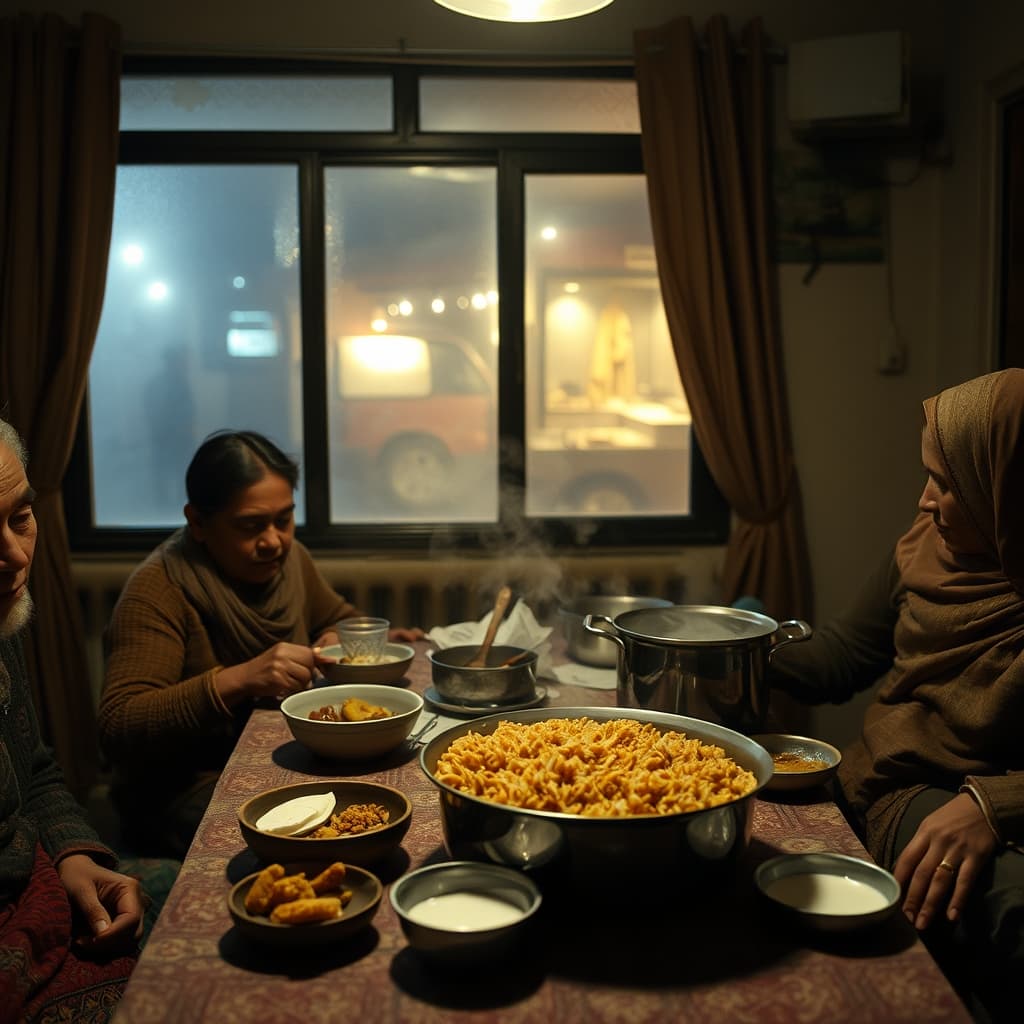
On winter evenings, encountering the smell of chickpea rice in a side street while walking home over stone pavements made a person slow down. The steam rising from a small stall, the scent of rice mingled with butter, and the full warmth of chickpeas reached the homes behind fogged windows. When the rice came to the table, the whole house filled with the same smell, because this dish came not only from the pot, but from the street, the neighborhood, and the tiredness of the day. Once it was divided onto plates, everyone took up a spoon at the same time, and the winter cold remained outside the door for a while. Chickpea rice looked simple, yet it united the home through a shared appetite.
From the perspective of taste memory, chickpea rice stands in a special place between street food and the home table. On one side, it carries the practical, filling smell of side-street stalls; on the other, when cooked at home, it settles into the safe warmth of family order. The rice being separate grain by grain, the chickpeas boiled well, the measure of fat, and the black pepper sprinkled on top all determine the dish’s place in memory. Its strength comes not from display, but from balance. With few ingredients, it feeds many people, increases conversation at the table, and quietly adapts to the daily rhythm of the home.
When the smell of side-street chickpea rice entered the house, it built an invisible bridge between outside and inside. Children wiped the fog from the window and watched passersby, adults called toward the kitchen to ask whether the rice was ready, and pickles, ayran, or yogurt were brought to the table. Sometimes the rice was bought from outside and given a small touch at home; sometimes it was cooked at home but recalled the smell of the street stall. Even a vendor’s voice passing the doorway or footsteps heard on the stairs could announce the approaching evening meal. This two-way memory made the dish stronger. Chickpea rice belonged both to the home and to the neighborhood, and when it arrived on the plate it carried the scent of both worlds at once.
The reason this dish filled the entire house with the same smell was its shared warmth. When the lid of the pot was lifted, steam spread from room to room, and the distance between kitchen and living room disappeared. Small decisions were made around the table: could one extra plate be served, should some be sent to a neighbor, should a little more chickpea be added to the children’s plates? Beyond feeding hunger, rice also carried domestic fairness, sharing, and daily cheer. When everyone ate from the same pot, the smell of the meal gathered the family into the same moment. That is why chickpea rice became one of the strongest unifiers of simple tables.
When we remember that smell today, we remember not only the taste of a dish, but also the bond old city evenings formed between home and street. The cold of stone pavements, fogged windows, small stalls, steam rising from the pot, and children called to the table merge within the same memory. Side-street chickpea rice is a taste mark carrying both family recipes and neighborhood rhythm. This is why it filled the whole house with the same smell: that scent belonged not only to rice and chickpeas, but to warming together, eating together, and sharing a simple evening.
Why the Whole House Filled with the Same Smell When Side-Street Chickpea Rice Came to the Table, Passing Along Stone Pavements and Striking Winter's Fogged Glass