Eski Pano
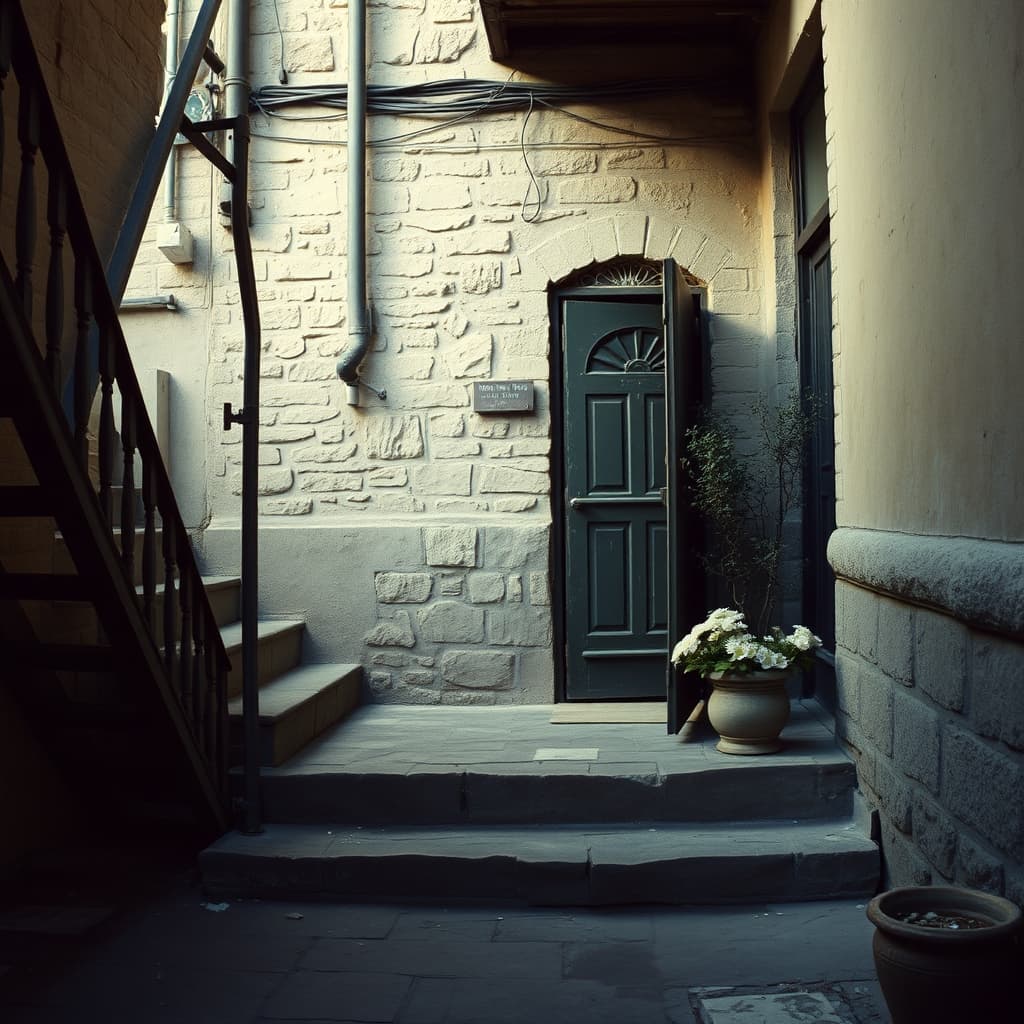
In the first days of spring, a strange but familiar smell moved through old apartment entrances. Coal dust left from winter, damp stone stairs, cool air coming through a newly opened door, and the smell of food drifting down from upper floors mingled together. Outside, the weather was beginning to soften, yet the inside of the apartment building still carried winter’s traces. Coal-cellar doors were opened, empty buckets were set aside, and children listened to the echo of their voices in the stairwell. These entrances were the warmest scenes of old neighborhoods because the change of season was felt there not only in nature, but also in the shared spaces of homes.
From the perspective of neighborhood culture, the apartment entrance was a living threshold between private life and street life. Shoes were straightened near the door, mailboxes checked, a neighbor greeted briefly, and the dusty smell rising from the coal cellar carried the memory of the whole winter. At the beginning of spring, this space became even more active. People talked about the last buckets of the stove season, some saved their remaining coal, some cleaned under the stairs, and others placed the first flowerpot by the entrance. The apartment entrance was therefore not merely a place to pass through, but a stage where small news, assistance, and seasonal changes gathered.
It may seem surprising at first that the smell of a coal cellar could feel warm, yet that smell told how homes had survived the winter. Evenings spent by the stove, coal carried in buckets, the rush of removing ash, and fogged windows were all hidden inside it. When spring arrived, the coal cellar ceased to be a burden and became a reminder of the cold that had been left behind. For children, it was somewhat mysterious, somewhat forbidden, and somewhat full of play. For adults, it was a place of accounting, cleaning, and preparation. Small shovels left near the coal cellar, empty sacks, and buckets leaning against the wall quietly showed that the season was changing. The meeting of these different feelings in the same entrance created the warmth that tied apartment life to neighborhood culture.
In old neighborhoods, apartment entrances witnessed the simplest forms of neighborly relations. While one person washed the stairs, another held the hose; an elderly neighbor’s bucket was carried upstairs; a caretaker or resident swept before the coal cellar as part of spring cleaning. Items emerging from winter were aired, mats were shaken, and children were warned not to go too close to the coal storage. These small warnings and acts of help made the apartment feel like a shared home. The beginning of spring meant not only branches budding, but common spaces being put in order again. Entrances smelling of coal cellars were the most real places of that reordering.
To remember that smell today is not to remember the flaws of old apartments, but the texture of shared life. Modern buildings may have cleaner, quieter, and more odorless entrances, yet sometimes they lack the density of life found on those old stone stairs. Apartment entrances smelling of coal cellars at the beginning of spring announced at once the labor of winter, neighborly assistance, and the changing season. That is why they were the warmest scenes of old neighborhoods: everyone who stepped through the door entered not only a private home, but a common story.
Why Apartment Entrances Smelling of Coal Cellars at the Beginning of Spring Were the Warmest Scene of Old Neighborhoods