Eski Pano
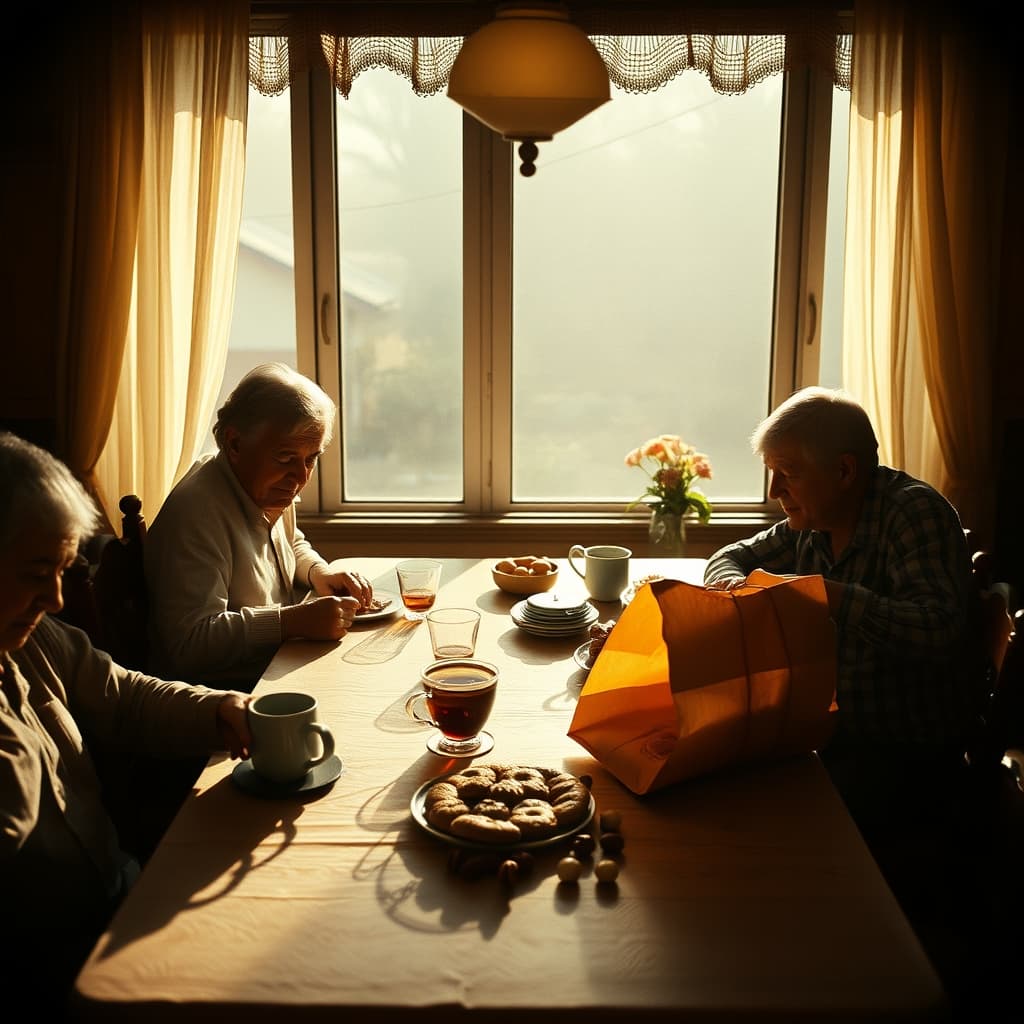
There was a time when one of the most reassuring smells to enter the home toward late afternoon belonged to the bakery pogaca from the neighborhood. The scent of butter, yeasted dough, and lightly browned sesame rising from a paper bag spread before the bag was even opened, moving from the entrance hall into the sitting room, kitchen, and children’s room. This smell did not merely announce food; it changed the rhythm of the house. Tea was brewed again, plates were taken out, and someone inevitably said, “Let’s eat it while it’s warm.” As the lengthening shadows of afternoon reached the windowsills, the fatigue of the day met the gathering feeling of evening around the same table. That is why the neighborhood bakery’s pogaca was never only a pastry; it was an everyday ritual carrying order, closeness, and a long-awaited release into the house.
Seen through the lens of taste memory, the true strength of this pogaca lies less in its recipe than in the way it circulated. In almost every neighborhood, the bakery display shone with the same attraction at the hours when school let out or work ended, and the smell of fresh trays from inside pulled people through the door like an invisible line. Wrapped in paper and brought home, the pogaca built a delicious bridge between the city outside and the family table within. In one house the cheese-filled kind was taken first, in another plain pogaca was dipped into tea, in another children picked away at the edge even if they did not like the olive filling. Everyone had a different relation to it, yet one thing remained shared: once that smell entered the house, the family felt that the rest of the day would now be lived together.
This is precisely what gave neighborhood bakeries their cultural importance. They were not only places of sale, but small centers that helped set the neighborhood’s sense of time. Arriving before the trays were empty, getting the warmest batch, and carrying newly baked pogaca home quickly became routine habits. The shopkeeper knew the customer, asked, “You’re taking some for the children too, I suppose,” and sometimes slipped one extra into the bag. What reached home, then, was not simply a purchased item, but also the continuation of trust, familiarity, and everyday courtesy within the neighborhood. The rhythm stretching from day into night through lengthening shadows was softened by that small exchange.
Today, among the orderly shelves of chain bakeries, it becomes easier to understand why that old pogaca is missed so deeply. What is absent is not only taste or texture, but the shared anticipation created by its smell at home. The moment a paper bag was set on the table, everyone turned their head, tea glasses were filled, and someone called, “Wait for me.” Such gestures lifted the pastry out of ordinariness. In older domestic life, some foods functioned less as meals than as signals: the rush of the day was easing, the household was drawing closer, and evening conversation could begin. The neighborhood bakery’s pogaca was one of those signals.
Perhaps what filled the whole house with one smell was never only the warmth of dough. Inside that scent lived the return from school, the end of the workday, familiarity with neighborhood shopkeepers, the discipline of tea time, and the habit of moving together toward the same table. When the pogaca arrived, the house was not only preparing to eat; it was rebuilding its own inner rhythm. If that smell remains so vivid in memory today, it is because more than flavor lingered in it. It made an entire afternoon shareable.
Why the Whole House Filled with the Same Smell When Bakery Pogaca from the Neighborhood Arrived at the Table in the Rhythm Stretching from Day to Night Through Lengthening Afternoon Shadows