 Eski Pano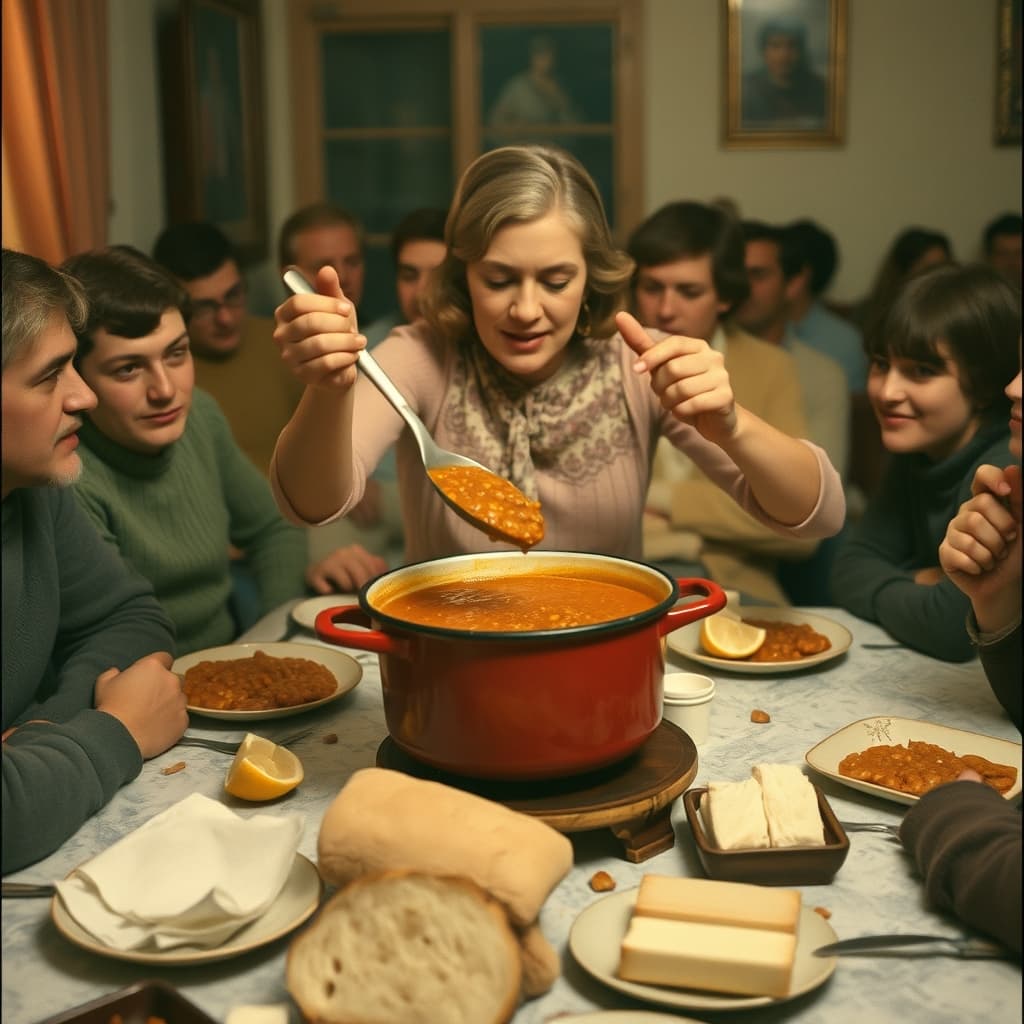
A pot of lentil soup could begin a meal for many people without pretending every household used the same recipe. Red lentils, onion, fat, water and seasoning formed a practical base, but carrot, potato, flour, tomato paste, stock or spices changed according to region, pantry and family preference. The phrase “mother's style” names a relationship more than a standard formula.
Before cooking, lentils were checked for small stones or damaged grains and rinsed until the water behaved as the cook expected. Packaged products reduced some sorting but did not remove the need to inspect. The amount chosen reflected diners, accompanying dishes and whether another meal was planned from the same pot.
The Base Created Depth Before Boiling
Onion could soften in butter or oil before paste and vegetables were added. Cooking paste briefly changed its raw character, while burning it made bitterness difficult to hide. Water or stock entered with attention to salt already present in other ingredients. A pressure cooker shortened time but demanded correct filling, sealing and release procedures.
Lentils thicken as they break down. Stirring prevented sticking, especially as the soup concentrated. Extra liquid could loosen it, but repeated uncontrolled dilution weakened flavour. The cook tasted for salt, acidity and spice near the end rather than relying only on a written quantity.
Texture Became a Family Signature
Some tables expected a completely smooth soup passed through a sieve or blender; others preferred visible pieces. A whisk or traditional strainer required more labour than an electric blender. Hot blending brings burn risk, so equipment limits and ventilation must be respected.
Lemon, dried mint, red pepper butter or toasted bread could be offered separately. This allowed diners to adjust flavour and made one pot serve different ages and preferences. It also turned the table into the final stage of cooking rather than treating the kitchen as the only place where taste was decided.
A Large Pot Needed a Leftover Plan
Serving many people required bowls, ladles, bread and the timing of the main course. The person at the stove often monitored portions to ensure the final diner received enough. Shared abundance depended on calculation, and that labour should not disappear behind the sentimental name of the dish.
Remaining soup needed prompt cooling and refrigeration in suitable containers. A deep hot pot cools slowly, so dividing can help. Only the needed amount should be reheated thoroughly. Adding clean liquid during reheating may restore consistency, while repeated warming harms quality and increases risk.
Pot size affected more than quantity. A wide base encouraged even cooking and easier stirring, while an overfilled vessel risked boiling over. Choosing the familiar large pot was part of recipe knowledge, linking written ingredients to the actual equipment available in the home.
A Digital Nostalgia Archive can preserve a family version with lentil type, pot, fuel, texture, garnish, number served and the name of the cook. Stained recipe pages and oral corrections show how the formula changed. Lentil soup carries a culture of sharing because it scales, adapts and welcomes additions. Its remembered taste comes not from universal sameness, but from one household repeatedly balancing pantry, appetite, time and care around a pot large enough to reach the crowded table.