 Eski Pano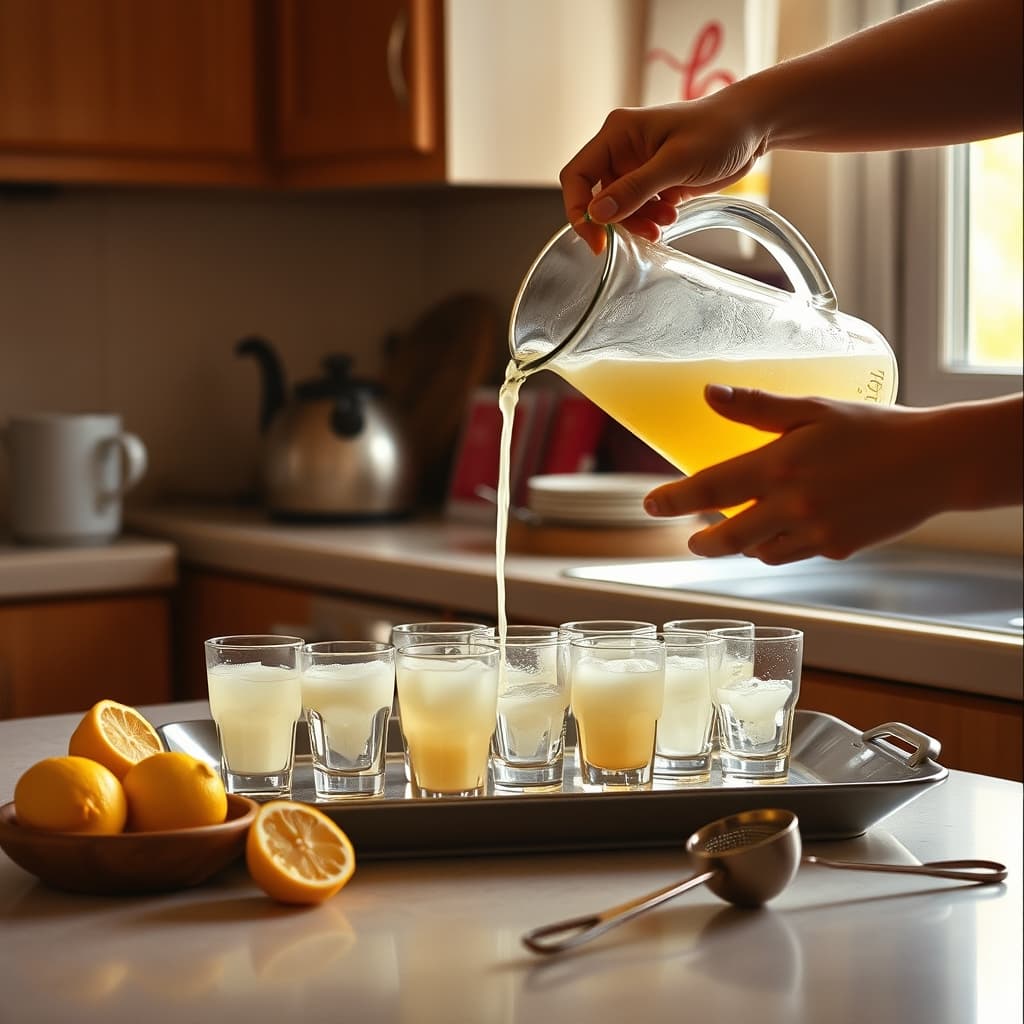
The lemonade was not quite finished when it entered the jug. Someone still tasted it, added a little water, tasted again and counted the glasses on the tray. For a summer afternoon with visitors, preparing the drink meant reconciling several things at once: the lemons available, the strength of the mixture and the number of people expected. That last adjustment is a useful place to find the household knowledge behind a familiar taste.
Homemade lemonade has no single family formula. Some preparations emphasise the juice, others the aroma of the peel; some are strained very clear, while others retain a little pulp. Sweetness and dilution differ too. Remembering a particular jug should begin with those distinctions. Calling every version traditional can hide the very detail that makes one household’s drink recognisable to the people who grew up with it.
The Peel Arrived Before the First Sip
The smell of a cut lemon could announce preparation before anyone saw the drink. Where the outer peel was used, it contributed an aroma different from the juice alone. The pale layer beneath it could also affect bitterness. A remembered instruction about how much peel to take was therefore a practical choice, not just an ornamental flourish. It connected the movement of a hand with the flavour expected later.
No complete recipe is needed to appreciate that judgement. Ask the person who prepared it whether the peel was included, how the mixture was strained and when water was added. The order of those actions can explain why an attempted recreation tastes different even with similar ingredients. It also gives credit to the person making decisions that were never written in the family notebook.
Water Changed Both Flavour and Hospitality
Dilution was more than a way to fill the jug. Too little water could leave a sharp or very sweet drink; too much could erase the character of the lemon. Ice, when used, changed the balance as it melted. A person preparing several servings had to imagine how the lemonade would taste after it reached the table, not only at the moment of mixing.
Counting glasses brought another kind of arithmetic. A small serving could stretch a jug across an unexpected visit, while refills let guests choose how much they wanted. These choices should not be treated automatically as either abundance or deprivation. The size of the glass, the length of the visit and what else was being served all shaped the amount that seemed appropriate.
The Tray Made the Drink a Shared Event
A jug on a kitchen counter belonged to preparation; glasses arranged on a tray belonged to receiving people. Carrying them into the room divided a task into visible stages. Someone made space, another passed a glass, and a guest waited until the tray reached them. The drink’s social life lay partly in this sequence, even when nobody remarked on it.
The labour could be unevenly distributed. The person refilling glasses might miss the conversation they had helped make possible. A family account becomes richer when it names who prepared, carried and cleared away, as well as who enjoyed the first sip. Sharing a drink and sharing the work were related possibilities, but they were never automatically the same thing.
A useful record of family lemonade includes the jug, approximate serving size, use of peel or pulp, sweetness preference and the occasion. It can also preserve disagreements: one relative remembers it sharper, another remembers more water. Neither memory has to become the official recipe. Taste changes with the fruit and with the person recalling it, so uncertainty belongs beside the measurements.
At the end of an afternoon, the remaining lemonade might taste different because the ice had melted and the conversation had lasted longer than expected. That changing jug is more revealing than an idealised photograph of a perfect glass. It shows a drink adjusted for real visitors by someone who knew when to pause, taste once more and make the table ready.