🇹🇷 Türkçe | kurmalı saat ve anneanne evinin değişmeyen köşesi: ev hayatının ritüellerini nasıl şekillendirdi
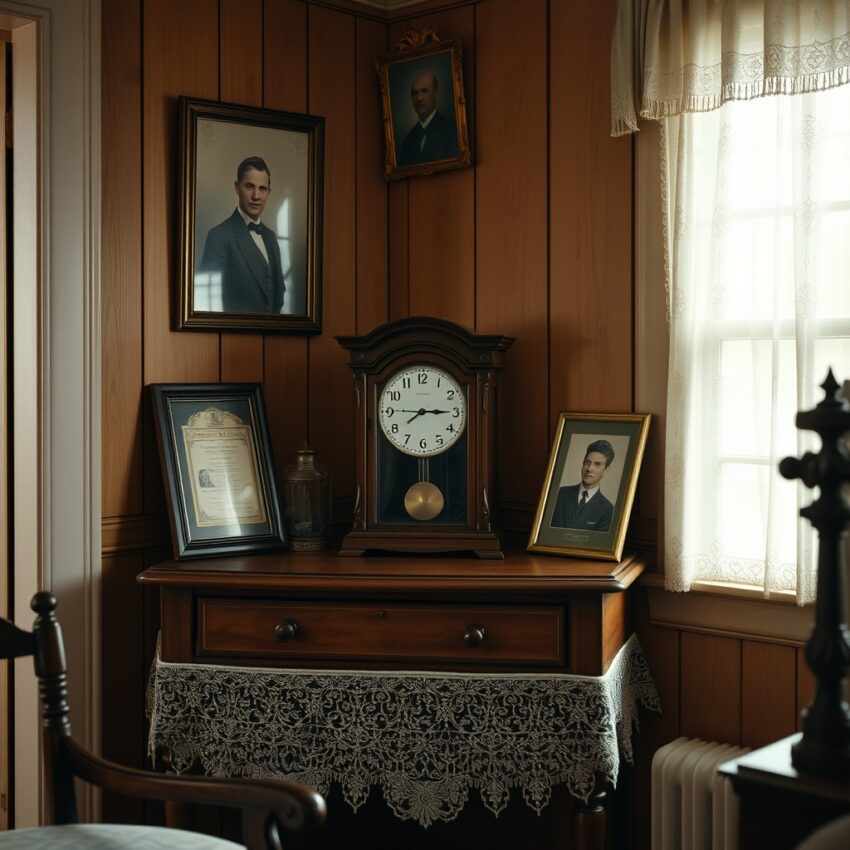
Bir zamanlar bazı evlerin zamanı duvardaki takvimden değil, aynı köşede duran kurmalı saatten anlaşılırdı. Anneanne evine girildiğinde ilk fark edilen şey çoğu zaman o saatin düzenli tik takı olur; dantel örtülü konsolun üstündeki sabit yeri, etrafındaki aile fotoğrafları ve yanındaki küçük porselen biblo ile birlikte evin sessiz merkezi gibi dururdu. Sabah perdeler aralanırken, öğle yemeği hazırlanırken, ikindi çayı demlenirken ve akşam haberleri başlamadan hemen önce aynı ritim duyulurdu. Kurmalı saatin sesi, evin içindeki işleri buyurgan olmadan sıralayan görünmez bir işaret gibiydi. Ev halkı çoğu zaman saate bakmadan da hangi anın geldiğini anlardı; çünkü o köşeden yayılan düzen, gündelik hayatın akışına çoktan karışmış olurdu.
Obje Hikayeleri açısından bakıldığında kurmalı saat, yalnız zamanı gösteren bir eşya değil; tasarımı, sesi ve yerleştiği mekânla ev içi ritüelleri biçimlendiren bir merkez nesneydi. Ahşap kasası cilalanır, camı bezle silinir, haftanın belli bir gününde anahtarı dikkatle çevrilirdi. Bu kurma hareketi başlı başına bir ritüeldi; çoğu evde ya anneanne ya da evin en titiz büyüğü bu işi yapar, saatin fazla ya da eksik kurulmasına izin vermezdi. Böylece nesneyle insan arasında yalnız kullanım değil, bakım ilişkisi de kurulurdu. Saatin bulunduğu köşe, misafirlerin otururken göz ucuyla baktığı, çocukların erişmemesi için tembihlendiği ve bayram temizliğinde özel olarak silinen bir alan hâline gelirdi. Saat yalnız zamanı değil, düzen fikrini de görünür kılardı.
Ev hayatının ritüelleri biraz da bu değişmeyen köşe etrafında şekillenirdi. Sabah kahvaltısı çoğu zaman o saatin gösterdiği dakikaya göre toparlanır, öğleden sonra komşuya gidilecekse “saat üç olmadan çıkalım” denir, akşam ezanı yaklaşırken sofranın hazırlığı onun tik takıyla birlikte hızlanırdı. Çocuklar için saat, zamanı öğrenmenin ötesinde ev içi ciddiyetin işaretiydi. Yanında yüksek sesle koşulmaz, konsola yaslanılmaz, kurma anahtarı izinsiz alınmazdı. Böylece kurmalı saat, bir disiplin nesnesi olmaktan çok, ortak yaşamın ritmini ayarlayan sessiz bir büyüğe dönüşürdü. Anneanne evinin değişmeyen köşesi, aile üyeleri değişse, mevsimler geçse, perdeler yenilense bile aynı kalır; süreklilik hissi tam da oradan beslenirdi.
Bugün dijital ekranlar saati her yerde gösteriyor olabilir, ama hiçbirinin ev içine böyle dokunsal bir düzen duygusu yerleştirdiği söylenemez. Kurmalı saat bize eski ev hayatında eşyaların yalnız kullanılmadığını, davranışları ve alışkanlıkları da şekillendirdiğini hatırlatır. Tik tak sesi, aynı zamanda beklemeyi, zamanı kollamayı ve günün bölümlerini hissetmeyi öğretirdi. Bu yüzden anneanne evinin o değişmeyen köşesi, yalnız bir mobilya düzeni değil; kuşakların evi nasıl yaşadığının, zamanı nasıl saygıyla karşıladığının ve gündelik ritüelleri nasıl ördüğünün güçlü bir hatırasıdır. Kurmalı saat hâlâ hatırlanıyorsa, biraz da onun yalnız dakikaları değil, ev hayatının ölçüsünü de tutmuş olmasındandır.
O köşenin hafızadaki gücü biraz da sessiz sürekliliğinden gelirdi. Evde yeni bir halı serilse, salon takımı değişse ya da çocuklar büyüyüp başka şehirlere gitse bile saat çoğu zaman aynı yerde kalırdı. Bayram sabahı daha erken kurulur, kışın daha belirgin duyulur, yazın açık pencereyle birlikte mahalle seslerine karışırdı. Böylece kurmalı saat, yalnız evin içinde duran bir eşya olarak değil, mevsimlerle ve aileyle birlikte yaşayan bir tanık olarak hatırlanırdı. Anneanne evine dair birçok anı silikleşse bile o köşedeki düzen, zihinde hep net kalırdı.
🇬🇧 English | The Winding Clock and the Unchanging Corner of Grandmother’s House: How It Shaped the Rituals of Domestic Life
There was a time when the passing of hours in certain homes was understood not from a calendar on the wall, but from the winding clock standing in the same corner every day. Upon entering grandmother’s house, the first thing often noticed was that regular ticking, coming from its fixed place on top of a lace-covered cabinet, surrounded by family photographs and a small porcelain ornament. The same rhythm could be heard when curtains were opened in the morning, while lunch was being prepared, when afternoon tea was brewed, and just before the evening news began. The sound of the clock acted like an invisible signal arranging the tasks of the home without ever sounding forceful. Most of the household did not even need to look at it to know what time of day had arrived, because the order spread from that corner had already entered everyday life.
Seen through the lens of object stories, the winding clock was not merely something that showed time. Through its design, its sound, and the place it occupied, it became a central object that shaped domestic ritual. Its wooden case was polished, its glass wiped with a soft cloth, and on a certain day each week its key was turned with care. That act of winding was a ritual in itself; in many houses, grandmother or the most meticulous elder performed it, never allowing the clock to be over-wound or neglected. In that way, the relationship between person and object became one of care as well as use. The corner where the clock stood became a place guests glanced toward, children were warned not to touch, and special attention was given during holiday cleaning. The clock made not only time, but also the idea of order, visible.
Much of domestic life took shape around that unchanging corner. Breakfast was often gathered according to the minute the clock suggested, afternoon visits to neighbors were timed with phrases like “let’s leave before three,” and as evening approached, preparations for the table seemed to accelerate in step with the ticking. For children, the clock meant more than learning the hours; it was a sign of seriousness within the home. No one ran loudly beside it, leaned against the cabinet, or borrowed the winding key without permission. In this way, the winding clock became less a tool of discipline than a quiet elder arranging the rhythm of shared life. Even as family members changed, seasons passed, and curtains were replaced, that corner remained the same, and from it came the feeling of continuity.
Today digital screens may show the hour everywhere, yet almost none place such a tactile sense of order into a home. The winding clock reminds us that in older domestic life, objects were not merely used; they also shaped behavior and habit. Its ticking taught people to wait, to watch time, and to feel the divisions of the day. That is why the unchanging corner of grandmother’s house remains more than a piece of furniture arrangement. It is a strong memory of how generations inhabited a home, respected time, and wove daily rituals together. If the winding clock is still remembered, it is because it kept not only minutes, but the measure of domestic life itself.
Part of the power of that corner in memory came from its quiet continuity. Rugs might be replaced, the living room set might change, and children might grow up and move to other cities, yet the clock often remained in the same place. On holiday mornings it was wound earlier, in winter it sounded more clearly, and in summer it blended with neighborhood noises entering through the open window. In that way, the winding clock was remembered not simply as an object standing in the home, but as a witness living alongside seasons and family life. Even when many details of grandmother’s house faded, the order gathered in that corner stayed vivid.
🇧🇷 Português (Brasil) | O Relógio de Corda e o Canto Imutável da Casa da Avó: Como Moldou os Rituais da Vida Doméstica
Houve um tempo em que, em certas casas, as horas não eram percebidas pelo calendário na parede, mas pelo relógio de corda que permanecia no mesmo canto todos os dias. Ao entrar na casa da avó, a primeira coisa notada muitas vezes era o tique-taque regular vindo do lugar fixo sobre o aparador coberto com renda, ao lado de fotografias da família e de um pequeno bibelô de porcelana. O mesmo ritmo acompanhava a abertura das cortinas pela manhã, o preparo do almoço, o chá da tarde e os minutos antes do jornal da noite. O som do relógio funcionava como um sinal invisível que organizava a rotina da casa sem dar ordens. Muitas vezes ninguém precisava sequer olhar para ele para saber o momento do dia, porque a ordem irradiada daquele canto já fazia parte da vida cotidiana.
Pelo olhar das histórias dos objetos, o relógio de corda não era apenas um item que marcava as horas. Pelo desenho, pelo som e pelo lugar que ocupava, tornava-se um objeto central que moldava o ritual doméstico. A caixa de madeira era lustrada, o vidro era limpo com cuidado e, em um dia específico da semana, a chave era girada devagar. Esse gesto de dar corda era um ritual em si. Em muitas casas, a avó ou a pessoa mais cuidadosa assumia essa tarefa, sem permitir excesso nem descuido. Assim, a relação entre a pessoa e o objeto passava a ser também uma relação de cuidado. O canto onde o relógio ficava virava o lugar para onde os visitantes olhavam, de onde as crianças eram afastadas com recomendações e que recebia atenção especial nas limpezas de festa. O relógio tornava visível não só o tempo, mas também a ideia de ordem.
Grande parte dos rituais da vida doméstica se organizava ao redor desse canto imutável. O café da manhã era encerrado conforme o minuto indicado pelo relógio, as visitas à vizinha eram planejadas com frases como “vamos sair antes das três”, e a preparação da mesa do jantar ganhava pressa conforme o tique-taque avançava. Para as crianças, o relógio significava mais do que aprender as horas; era um sinal da seriedade da casa. Não se corria alto perto dele, não se encostava no móvel e não se pegava a chave sem autorização. Assim, o relógio de corda deixava de ser apenas um instrumento de disciplina e se tornava uma espécie de ancião silencioso regulando o ritmo da vida compartilhada. Mesmo quando as pessoas mudavam, as estações passavam e as cortinas eram trocadas, aquele canto permanecia igual, sustentando a sensação de continuidade.
Hoje, as telas digitais mostram as horas em toda parte, mas quase nenhuma coloca dentro de casa um senso tão tátil de ordem. O relógio de corda nos lembra que, na vida doméstica antiga, os objetos não eram apenas usados; eles também moldavam comportamentos e hábitos. Seu tique-taque ensinava a esperar, a acompanhar o tempo e a sentir as divisões do dia. Por isso, o canto imutável da casa da avó é mais do que um arranjo de móveis. É uma lembrança forte de como gerações habitaram a casa, respeitaram o tempo e teceram seus rituais cotidianos. Se o relógio de corda ainda é lembrado, é porque guardou não só os minutos, mas a medida da própria vida doméstica.
Parte da força desse canto na memória vinha de sua continuidade silenciosa. O tapete podia mudar, o conjunto da sala podia ser renovado e as crianças podiam crescer e ir para outras cidades, mas o relógio quase sempre permanecia no mesmo lugar. Nos feriados era dado corda mais cedo, no inverno seu som parecia mais nítido e no verão ele se misturava aos ruídos da vizinhança que entravam pela janela aberta. Assim, o relógio de corda era lembrado não apenas como um objeto parado na casa, mas como uma testemunha que vivia junto com as estações e com a família. Mesmo quando outros detalhes da casa da avó se apagavam, a ordem daquele canto continuava clara na lembrança.