🇹🇷 Türkçe | buzdolabı tamircisini bekleyen apartmanlar neden eski şehir hayatının kalbinde yer etti soba başı sessizliğinde zihinde kalan eski bir melodiyle
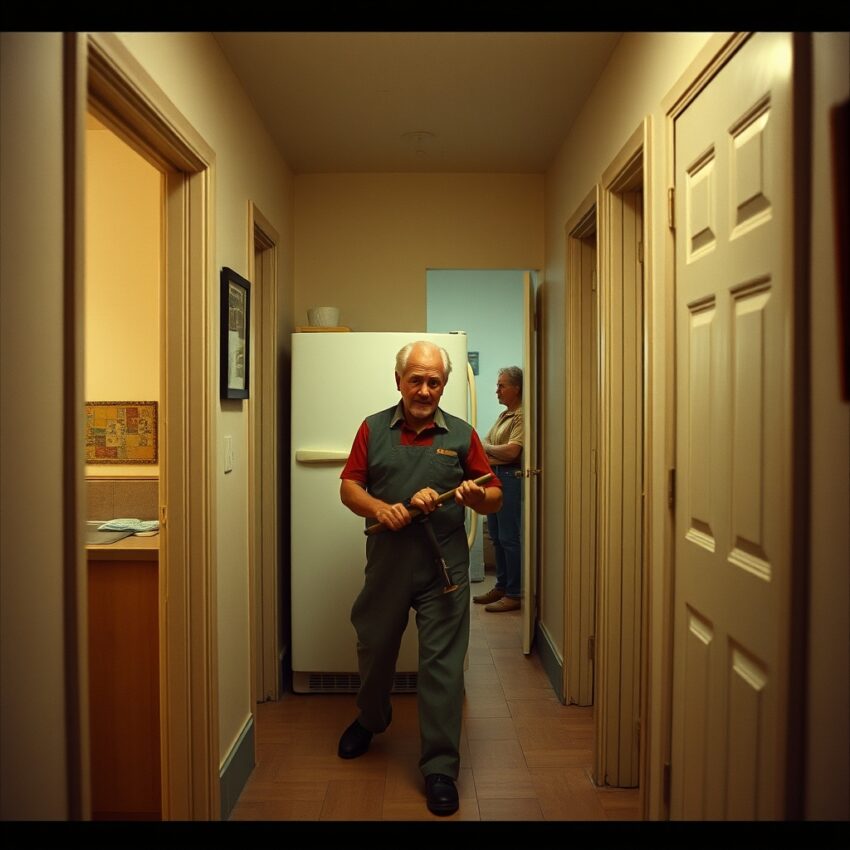
Bir zamanlar bir apartmanın koridorunda duyulan en dikkatli bekleyişlerden biri buzdolabı tamircisi içindi. Kapı önlerine bırakılmış pazar fileleri, mutfakta erimeye yüz tutan buzluk kokusu, kapıcıya “gelirse haber ver” diye bırakılan not ve merdiven boşluğunda yankılanan ayak sesleri bu bekleyişin küçük işaretleriydi. Tamirci henüz gelmeden bile apartmanda ortak bir hareketlilik başlardı. Bir komşu, çalışmayan buzdolabındaki yoğurdu üst kata çıkarır; bir diğeri, “bizim eski ustanın numarası duruyor” diyerek kapı aralığından seslenirdi. Eski şehir hayatında bazı teknik arızalar yalnız bir dairenin meselesi olarak kalmaz, apartmanın içindeki ilişkileri görünür kılan küçük dayanışma anlarına dönüşürdü.
Mahalle Kültürü açısından bakıldığında buzdolabı tamircisini bekleyen apartmanlar, modern şehir yaşamının sandığımız kadar yalnız olmadığını gösteren canlı bir örnektir. Buzdolabı, ev içi düzenin merkezinde duran yeni nesil bir cihazdı; bozulduğunda mesele yalnız teknik arıza değil, gündelik hayatın sekteye uğramasıydı. Süt bozulacak mı, akşama yapılacak yemek korunabilecek mi, çocukların ertesi güne kalan tatlısı ne olacak; bütün bunlar mutfağın içinden apartman sohbetine taşardı. Tamirci geldiğinde yalnız eve değil, çoğu zaman apartmanın hafızasına da girerdi. Hangi zilin bozuk olduğunu, kimin mutfağında eski model dolap bulunduğunu, hangi komşunun ona kahve ikram ettiğini bilirdi. Böylece tamirci ile bina arasında tek seferlik değil, zamanla güvene dayanan bir ilişki kurulurdu.
Bu bekleyişin şehir hayatındaki kalbi andıran tarafı, tam da gündelik hayatı birbirine bağlamasıydı. Bir apartmanda buzdolabı bozulduğunda kapılar daha sık açılır, mutfak cümleleri merdiven boşluğuna taşar, çocuklar ustanın alet çantasına merakla bakar, yaşlılar eski cihazların daha dayanıklı olduğundan söz ederdi. Ustanın tornavidası, conta sesi, motorun yeniden devreye girmesi ve ardından gelen rahat nefes, kentin küçük ama çok insani ritüellerinden biriydi. Apartman sakinleri için tamir yalnızca eşyanın düzelmesi anlamına gelmez; aynı zamanda birbirinin hayatına kısa bir süre için daha yakından değebilmek anlamına gelirdi. Bu yüzden buzdolabı tamircisi, görünüşte teknik bir figür olsa da eski şehir hayatında komşuluk bağlarını tazeleyen tanıdık bir karakterdi.
Bugün arızalanan birçok eşya hızla değiştirilirken, o eski bekleyiş biçimine duyulan özlem biraz da tamir etrafında kurulmuş insan ilişkilerinden kaynaklanıyor. Buzdolabı tamircisini bekleyen apartmanlar, şehirlerin yalnız beton bloklardan ibaret olmadığını; aynı koridorda yaşanan küçük telaşların, yardımların ve sohbetlerin de kentsel belleği kurduğunu hatırlatıyor. Soba başı sessizliğinde zihinde kalan eski melodi de belki buradan geliyor: mutfakla merdiven boşluğu arasındaki seslerden, kapı aralığında kurulan cümlelerden ve düzelince herkesin içini ferahlatan o ortak rahatlıktan. Eski şehir hayatının kalbi bazen büyük meydanlarda değil, tamirciyi bekleyen apartman koridorlarında atardı.
Üstelik bu tamir bekleyişi, apartmanların birbirini tanıma biçimini de güçlendirirdi. Kimlerin evinde eski tip dolap bulunduğu, kimin motor sesinden hemen anladığı, kimin yoğurdu komşuda sakladığı gibi ayrıntılar zamanla ortak apartman bilgisinin parçası olurdu. Usta merdivenlerden inerken ona “bizimkine de bir bakarsın” diye seslenenler çıkar, tamir sonrası kapı önlerinde kısa değerlendirmeler yapılırdı. Bu küçük konuşmalar, şehir hayatının resmî olmayan sosyal ağıydı. Buzdolabı tamircisi bazen yalnız arızayı değil, apartmanın gündelik iletişimini de yeniden çalıştırırdı.
🇬🇧 English | Why Did Apartment Buildings Waiting for the Refrigerator Repairman Take Their Place at the Heart of Old Urban Life with an Old Melody Lingering in the Silence by the Stove
There was a time when one of the most attentive forms of waiting in an apartment building was reserved for the refrigerator repairman. Market bags left by the door, the faint smell of a freezer beginning to thaw, a note left with the concierge saying “let us know when he arrives,” and footsteps echoing through the stairwell were all small signs of that expectation. Even before the repairman appeared, a shared movement began inside the building. One neighbor carried yogurt upstairs to keep it cold, another called out through a half-open door, “I still have the number of our old repairman.” In older city life, certain household breakdowns did not remain the private concern of one flat; they became moments of solidarity that made relationships inside the building visible.
Seen through the lens of neighborhood culture, apartment buildings waiting for the refrigerator repairman show that modern urban life was not nearly as isolated as it may seem today. The refrigerator stood at the center of domestic order, and when it failed, the problem was not only technical. Would the milk spoil, could dinner ingredients be saved, what would happen to the dessert kept for the children tomorrow? Questions like these moved from the kitchen into conversations across the building. When the repairman arrived, he entered not only the apartment, but often the memory of the building itself. He knew which bell did not work, which kitchen still held an older model appliance, and which neighbor always offered coffee. In this way, a bond formed between repairman and building that was based not on one visit, but on familiarity and trust.
What made this waiting feel like the heartbeat of city life was the way it connected ordinary routines. When a refrigerator broke, doors opened more often, kitchen sentences spilled into the stairwell, children stared curiously at the tool bag, and elders began talking about how older machines used to last longer. The sound of the repairman’s screwdriver, the fitting of a gasket, the motor beginning to run again, and the shared sigh of relief afterward formed one of the small yet deeply human rituals of the city. For residents, repair did not mean only that an object had been fixed; it also meant that for a short while people had come into closer contact with one another. That is why the refrigerator repairman, though seemingly a technical figure, became in old city life a familiar character who refreshed the bonds of neighborliness.
Today, when many broken appliances are replaced almost immediately, the longing for that old way of waiting comes partly from the human relationships built around repair. Apartment buildings waiting for the refrigerator repairman remind us that cities are not made only of concrete blocks; they are also shaped by small tensions, acts of help, and hallway conversations lived within the same building. The old melody lingering in the silence by the stove perhaps survives there: in the sounds between kitchen and stairwell, in the phrases exchanged through a doorway, and in the shared relief that arrived once the machine worked again. The heart of old urban life sometimes beat not in grand squares, but in apartment corridors waiting for the repairman.
That waiting also strengthened the way residents came to know one another inside the building. People gradually learned who still had an older refrigerator model, who could recognize a motor problem by sound alone, and whose yogurt was always kept safely at a neighbor’s home during an outage. As the repairman walked down the stairs, someone else might call out, “Could you look at ours too?” and short evaluations followed in the doorway after the work was done. These small conversations formed an unofficial social network of city life. At times, the refrigerator repairman restored not only a machine, but the everyday communication of the apartment building itself.
🇧🇷 Português (Brasil) | Por Que os Prédios que Esperavam o Consertador de Geladeira Ocuparam o Coração da Antiga Vida Urbana com uma Velha Melodia que Permanece na Quietude ao Pé do Fogão
Houve um tempo em que uma das esperas mais atentas dentro de um prédio era a do consertador de geladeira. As sacolas de feira deixadas perto da porta, o cheiro leve do congelador começando a descongelar, o recado dado ao porteiro para avisar quando ele chegasse e os passos ecoando na escada eram sinais desse estado de expectativa. Mesmo antes de o técnico aparecer, já começava um movimento coletivo no edifício. Uma vizinha levava o iogurte para o andar de cima, outra chamava da porta entreaberta para dizer que ainda tinha o telefone do antigo profissional. Na antiga vida urbana, certas falhas técnicas não ficavam restritas a um único apartamento; transformavam-se em pequenos momentos de solidariedade que tornavam visíveis as relações entre vizinhos.
Pelo olhar da cultura de bairro, os prédios que esperavam o consertador de geladeira mostram que a vida urbana moderna não era tão solitária quanto às vezes parece hoje. A geladeira ocupava o centro da ordem doméstica, e quando parava, o problema não era apenas técnico. O leite iria estragar? O jantar da noite ainda poderia ser salvo? O doce reservado para as crianças aguentaria até o dia seguinte? Questões assim saíam da cozinha e passavam a circular nas conversas do prédio. Quando o consertador chegava, entrava não só no apartamento, mas também na memória do edifício. Sabia qual campainha falhava, em qual cozinha ainda havia um modelo antigo e qual vizinha sempre oferecia café. Assim, criava-se uma relação baseada não em uma visita isolada, mas em familiaridade e confiança.
O que fazia dessa espera algo tão central para a vida da cidade era justamente a maneira como ela ligava as rotinas cotidianas. Quando uma geladeira quebrava, as portas se abriam mais vezes, frases de cozinha escapavam para a escada, crianças observavam com curiosidade a caixa de ferramentas, e os mais velhos comentavam que os aparelhos antigos duravam mais. O som da chave de fenda, o encaixe de uma borracha, o motor voltando a funcionar e o suspiro coletivo que vinha depois compunham um dos rituais mais humanos da cidade. Para os moradores, o conserto significava não apenas a recuperação de um objeto, mas também a chance de se tocar um pouco mais de perto na vida dos outros. Por isso, o consertador de geladeira, embora parecesse apenas um técnico, tornou-se um personagem conhecido que renovava os vínculos de vizinhança.
Hoje, quando muitos aparelhos quebrados são trocados rapidamente, a saudade daquele modo de esperar nasce também das relações humanas construídas ao redor do conserto. Os prédios que aguardavam o consertador de geladeira lembram que a cidade não é feita só de blocos de concreto; ela também se forma nas pequenas aflições, nas ajudas e nas conversas de corredor. A velha melodia que permaneceu na quietude ao pé do fogão talvez venha justamente daí: dos sons entre a cozinha e a escada, das frases trocadas na porta e do alívio compartilhado quando tudo voltava a funcionar. O coração da antiga vida urbana às vezes batia não nas grandes praças, mas nos corredores de prédios à espera do consertador.
Essa espera também fortalecia a forma como os moradores se conheciam dentro do prédio. Aos poucos, todos sabiam quem ainda tinha um modelo antigo de geladeira, quem identificava o problema do motor só pelo som e em qual apartamento o iogurte podia ficar guardado até o conserto terminar. Enquanto o técnico descia a escada, alguém ainda chamava para pedir que desse uma olhada no outro aparelho, e depois surgiam comentários rápidos na porta sobre o serviço feito. Essas conversas pequenas formavam uma rede social não oficial da cidade. Em muitos casos, o consertador de geladeira fazia voltar a funcionar não só a máquina, mas também a comunicação cotidiana do edifício.