 Eski Pano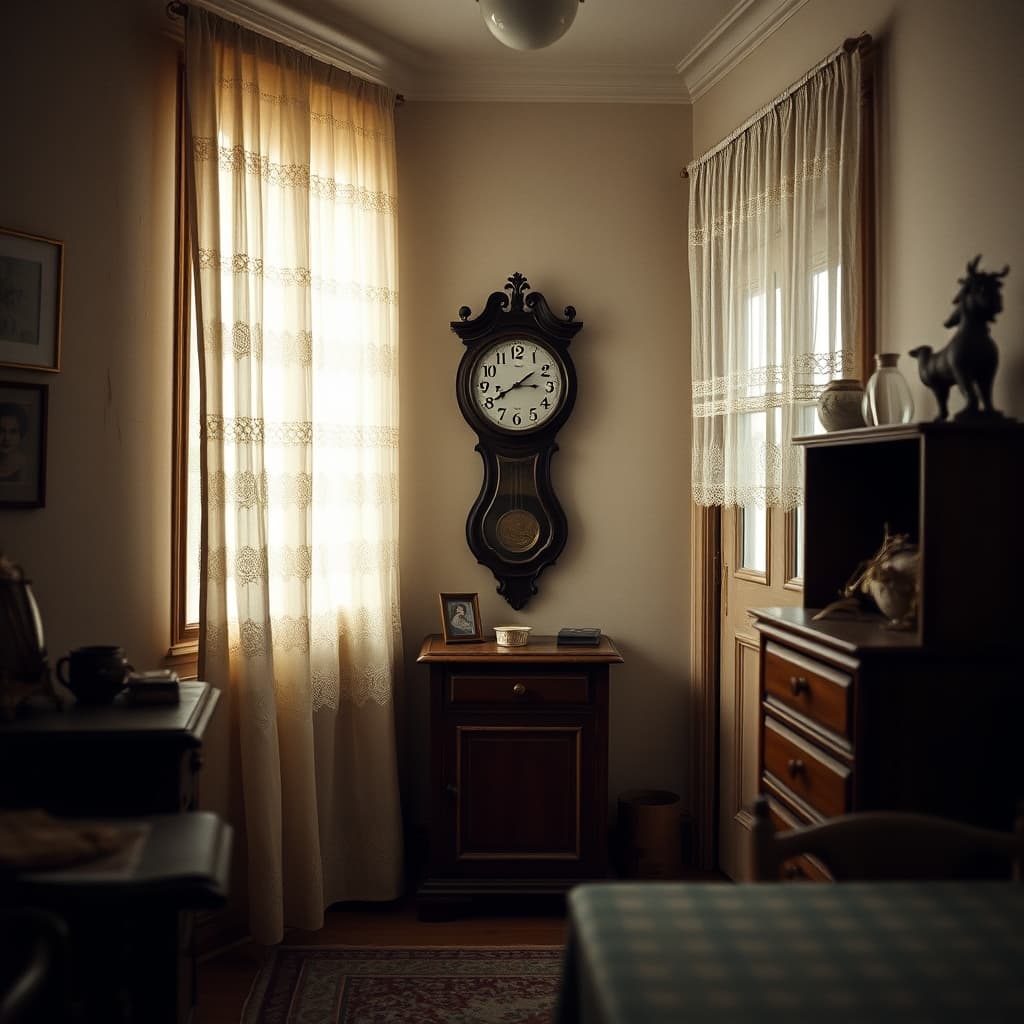
In a grandmother’s home, a winding clock could seem to hold a fixed position while generations moved around it. It stood on a sideboard, hung above a doorway, or occupied a protected shelf. Its face was consulted before school, meals, visits, and evening programmes. Yet the clock did not keep going by itself. At regular intervals someone opened a small door, found the correct key, and wound the mechanism with a practiced hand. That repeated task linked measured time to household care.
Mechanical clocks vary, so no single routine describes them all. Some required winding every day, others approximately once a week. Separate winding points might power the timekeeping train and the strike. Turning direction and safe resistance depended on the movement. The sensible rule was to follow the maker’s instructions and never force a key. A clock inherited without documentation should be examined by a qualified repairer before experimentation.
The Sound Marked More Than the Hour
The tick formed part of the room’s background. Visitors might notice it immediately, while residents heard its absence when the mechanism stopped. A strike or chime divided conversation, sleep, and domestic work into familiar intervals. These sounds were not perfectly neutral. A clock running fast or slow prompted adjustment, and a loud strike could be silenced at night. Even so, its acoustic presence often became inseparable from the memory of the person who maintained it.
Placement mattered. A mechanical clock could react to an uneven surface, vibration, dust, moisture, and temperature change. Moving it without securing the pendulum or other delicate parts risked damage. Oil applied without knowledge could attract dirt or reach the wrong surfaces. Popular household remedies sometimes offered temporary movement at the cost of later wear. Skilled servicing was therefore part of the object’s long life.
An Heirloom Carries Evidence
When the clock passed to another household, relatives inherited questions along with it. Who bought it, and when? Was it a wedding purchase, a retirement gift, or an ordinary object later made precious by use? Which repairer visited the house? Did a missing key or replacement glass belong to a known incident? Receipts, pencil notes, photographs of the clock in its original room, and recorded recollections can answer more than an unsupported family legend.
Alterations also deserve honest documentation. A replaced spring, modern suspension part, repaired dial, or substituted key does not automatically destroy significance. It shows how owners chose continued use over untouched condition. Conversely, aggressive polishing can remove finish and evidence of age. Conservation begins by identifying materials and history before deciding whether the goal is operation, display, or both.
Passing on the Routine
The most valuable inheritance may be practical knowledge. A younger relative who watched the winding learned when to stop, how to listen, and how to notice a change in rhythm. Recording that demonstration on video can preserve hand movements and sound, while written labels should identify the key and the clock it serves. Batteries must never be introduced into a purely mechanical movement, and improvised repairs should be avoided.
For a Digital Nostalgia Archive, the winding clock is not simply an attractive antique. It is a record of repeated attention: the weekly pause, the listening ear, the repair visit, and the decision to keep a familiar sound in the family. Its value grows from verifiable use and remembered relationships rather than age alone. Preserving the clock responsibly means keeping its mechanism, setting, changes, and stories together, so that inherited time remains more than an object on a shelf.