 Eski Pano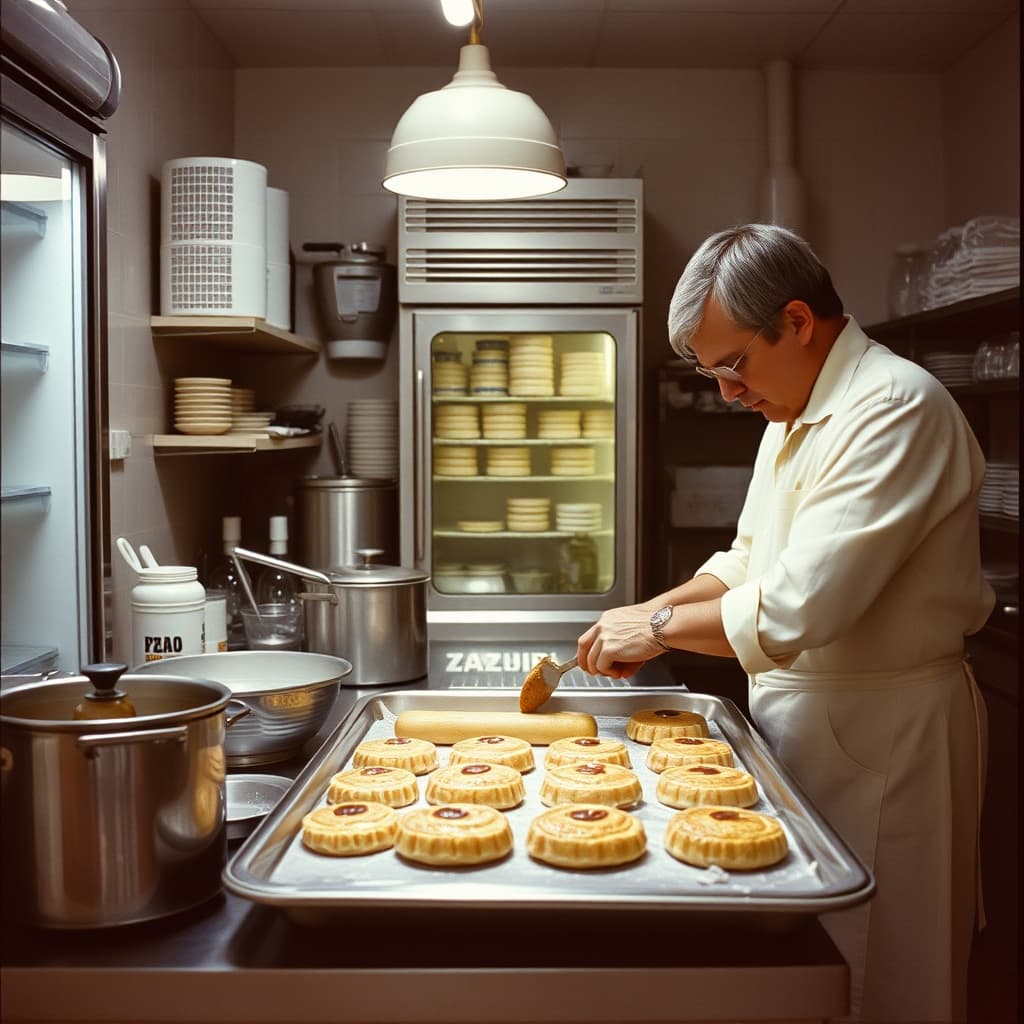
A neighbourhood pudding shop could make kazandibi meaningful at the turn of the season because the dessert balanced warmth and coolness. Milk pudding was cooked over heat, spread into a tray, browned against the metal, cooled, portioned, and often rolled or folded for service. The first bite carried caramelised bitterness, dairy sweetness, and a texture that depended on practiced timing.
Kazandibi has historical and regional variations, and shop practice is not identical to every household recipe. Milk, sugar, rice flour, wheat starch, corn starch, mastic, vanilla, butter, chicken breast in related traditions, and other ingredients may appear depending on period and formula. A useful archive records the actual recipe, shop, maker, date, tray, heat source, yield, and serving style.
Browning Was Controlled, Not Accidental Burning
The characteristic underside formed through concentrated heat, sugar, milk solids, tray contact, and time. The aim was an even caramelised or toasted layer with a deliberate bitterness, not uncontrolled scorching. Tray material, thickness of pudding, coating method, burner pattern, movement, and cooling all influenced colour and flavour.
A skilled maker read smell, edge colour, steam, resistance, and sound while moving or turning the tray. Excessive heat could create harsh flavour, sticking, smoke, or fire; insufficient heat left the defining layer pale. Describing the process only as burning the bottom erases the judgement needed to stop at the right point.
Rolling Required Temperature and Structure
After browning, the pudding needed to set enough for cutting and lifting. Too warm, it tore or collapsed; too cold or dry, it cracked. The server used a suitable spatula to reveal the dark face and shape the portion. Tray preparation, starch balance, depth, cooling time, and knife technique worked together.
Seasonal transitions affected service. Warm weather increased the importance of rapid cooling and refrigeration; cooler evenings made a milk dessert feel comforting after the street. Demand, school calendars, fasting periods, holidays, and local routines could change batch size. These patterns should be documented through shop records and testimony rather than treated as timeless.
The Display Counter Hid a Full Production System
Before one plate reached the customer, someone sourced milk, measured ingredients, stirred heavy pots, managed heat, cleaned trays, cooled batches, cut portions, served tables, washed dishes, handled cash, maintained refrigeration, and closed late. Apprentices, family members, women in kitchens, delivery workers, and cleaners may be missing from the shop's public story.
Milk handling requires pasteurised or otherwise legally compliant supply, clean equipment, controlled cooking, rapid safe cooling, refrigeration, protected display, date management, and prevention of cross-contamination. A large tray cools slowly if handled poorly. Smell and appearance cannot confirm safety, and reheating does not correct every temperature-control failure.
Milk is a major allergen. Wheat or gluten may be present through flour or starch, while recipes and shared kitchens can also involve nuts, eggs, soy, or other allergens. Ingredient lists must match the real batch. Historical claims about chicken-breast traditions should be made carefully and never used to obscure current labelling requirements.
A Digital Nostalgia Archive can connect kazandibi with recipe books, milk invoices, trays, burners, spatulas, refrigeration logs, menus, shop photographs, apprenticeship stories, and customer memories. The dessert keeps old kitchen culture alive when technique remains visible. Preserving it means keeping flavour beside controlled browning, shop labour, temperature safety, allergen accuracy, regional variation, and credit for the people who mastered the tray.