 Eski Pano
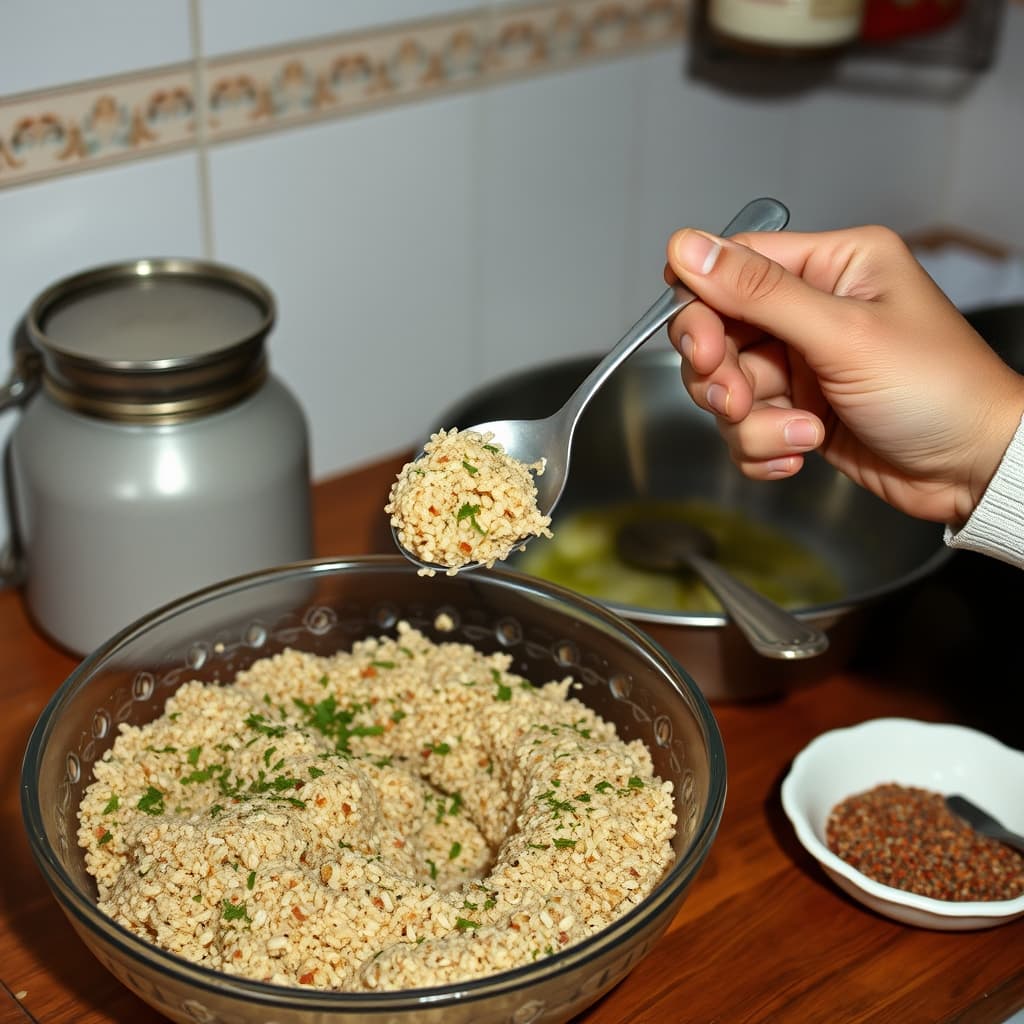
Before sumac kısır reached the serving dish, someone in the kitchen could take a small taste and consider whether it was ready. The decision concerned the bowl in front of them: its tartness, the feel of the bulgur and the relationship between the ingredients already added. A familiar recipe still left room for judgement.
This last taste offers a useful view of a home kitchen’s character. The written or remembered method had brought the dish this far, but a person now had to decide whether the result matched what they intended. The bowl carried both a sequence of preparation and a preference learned through previous meals.
Tartness Was Part of a Balance
Sumac contributed to the character of the dish without necessarily being its only sour ingredient. Household versions could include other additions, and the actual preparation determines what should be named. A general account should not assign lemon, a syrup or a particular paste to every bowl.
The person tasting was not considering sourness in isolation. A tart note arrived with the texture of the grains and the other ingredients. More of one element could change how another was noticed. The final decision belonged to their relationship, not to a claim that the strongest flavour was always the best.
The sumac itself could differ between purchases. A familiar name did not guarantee an identical result each time. This helps explain why tasting remained useful even when the household had made kısır many times before. Repetition developed judgement rather than removing the need for it.
The Cook’s Preference Met the Table’s Preferences
A bowl prepared for several people had to leave the kitchen as one dish, although the diners might not agree about the ideal balance. The person making it could know some of those preferences and still be unable to satisfy every one at once.
A comment at the table did not necessarily mean the cook had made a mistake. One diner might favour a sharper taste while another preferred the preparation as it was. Family recipes could stay recognisable while containing these ordinary differences of opinion.
That variation should not be rewritten as a competition over a single authentic version. The value of a household account lies in identifying its own ingredients and choices. A recipe can belong strongly to a family without requiring neighbouring kitchens to make it the same way.
Moving to the Serving Dish Marked a Decision
Transferring the kısır changed the bowl’s role. What had been a preparation under consideration became something offered to others. The final taste did not make the dish fixed for all time; it concluded the choices for that particular serving.
The serving vessel and its place on the table added another layer of familiarity. A diner might remember the dish as presented rather than the mixing stage. The cook could remember the adjustment or the decision to leave it alone. Both experiences belonged to the same food at different moments.
Preserving the method therefore benefits from more than an ingredient list. It can include what the maker looked for in that last taste and how they described the result. Those descriptions should come from the person who prepared it, not from a quotation invented to make the kitchen sound intimate.
Sumac kısır tells the story of a home through this final, particular decision. The grains and seasoning were brought into a balance someone was ready to share. Its character lay not in being the only correct bowl, but in becoming recognisable to the people for whom that kitchen had repeatedly made it.