 Eski Pano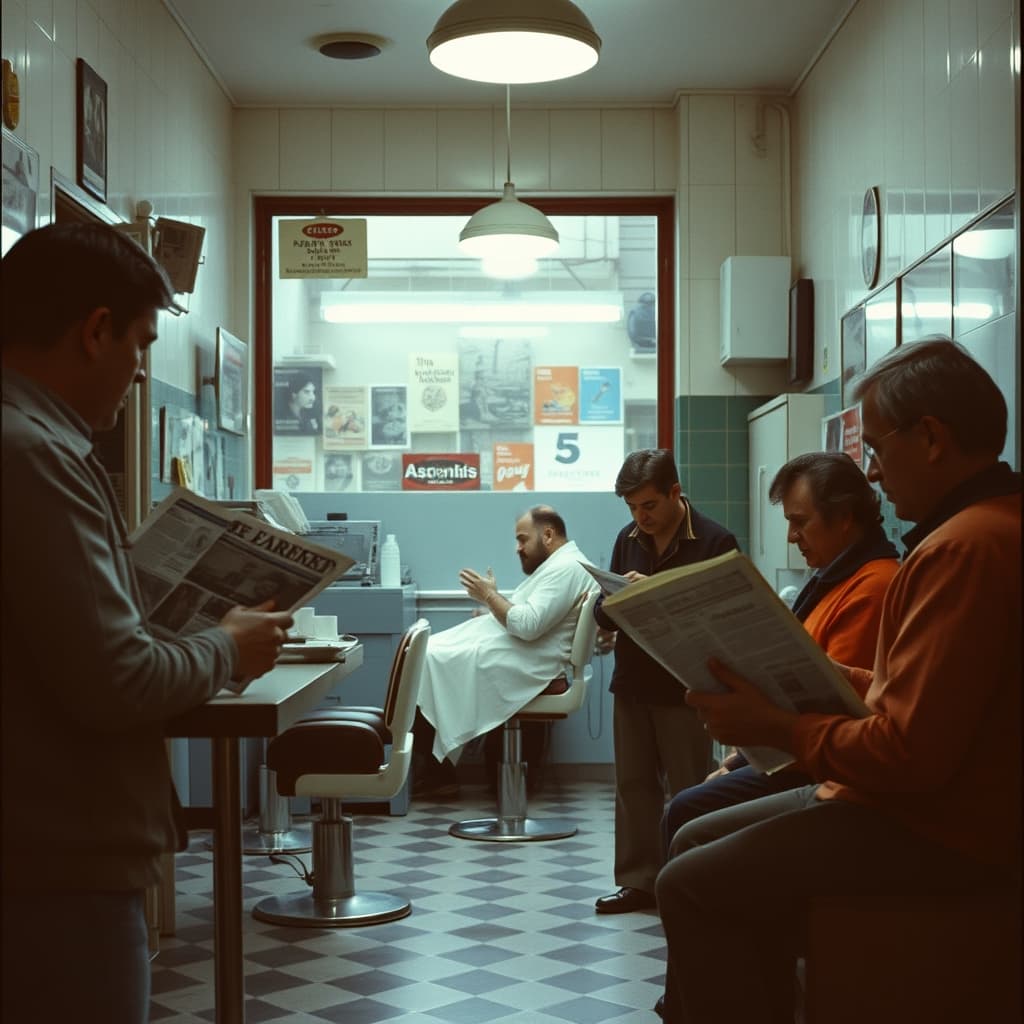
A neighbourhood barbershop could function like a small information network because people waited in the same room while work continued. A newspaper changed hands, a customer mentioned a closure or wedding, a tradesperson supplied a correction, and the barber remembered who had asked about a job or room. The shop did not merely host conversation; its repeated appointments gave local news a route.
Barbershops varied by town, district, period, clientele, licensing, price, and service. A one-chair shop, a busy salon, a village barber, and a modern appointment business created different forms of contact. Photographs, trade permits, price lists, newspapers, appointment books, tools, shop signs, and oral histories should define the place before it becomes a universal symbol of neighbourhood life.
Waiting Produced an Informal News Cycle
Customers arriving at different hours carried information between streets, workplaces, markets, clubs, and homes. News could concern transport, illness, a missing item, funeral, match, election, rent, school, or available work. Because the barber served many people regularly, fragments accumulated. The shop's value came from continuity, but continuity did not make every statement accurate.
Rumour could travel as efficiently as useful information. A responsible archive distinguishes what people said from what records confirm. Names, dates, newspapers, municipal notices, several witnesses, and the testimony of people affected help verify claims. Repeating an old allegation because it is colourful can renew harm long after the original conversation ended.
Conversation Had Boundaries and Exclusions
A customer in the chair could not easily leave while personal questions circulated. Health, debt, family conflict, politics, migration status, religion, or work might be discussed without consent. Barbers often exercised discretion, changed subject, or protected a confidence, but not every shop was safe. Silence, refusal, and the right not to participate belong in the social history.
Traditional men's barbershops could exclude women and reinforce expectations about masculinity, age, class, ethnicity, language, or politics. Other hairdressing spaces created different networks. Describing one male room as the whole neighbourhood erases women, children, queer people, disabled customers, migrants, and those who avoided the shop because they felt unwelcome.
The Information Network Rested on Skilled Service Work
The barber stood for long hours, scheduled turns, sharpened or replaced blades, cleaned tools, washed towels, swept hair, managed cash, maintained chairs and mirrors, monitored skin conditions, handled impatient customers, and kept conversation moving without delaying the cut. Apprentices and family members added labour that may not appear on the sign.
Current hygiene requires clean hands, properly disinfected reusable tools, single-use items where required, safe blade disposal, clean capes and towels, skin assessment, ventilation, and compliance with public-health and occupational rules. Historic razors and brushes should not be used on visitors simply for atmosphere. Blood exposure, fungal infection, allergies, and chemical products require professional controls.
Accessibility includes a step-free entrance where possible, sufficient manoeuvring space, stable seating, clear communication, sensory consideration, price transparency, and respectful service for different hair and skin needs. A crowded pavement of waiting customers must not block public passage. Modern appointment systems can reduce spontaneous talk while improving predictability for people who cannot wait.
A Digital Nostalgia Archive can connect the shop with licences, chairs, razors, appointment books, newspapers, mirrors, photographs, price boards, and interviews with barbers, apprentices, customers, and people who stayed away. The barbershop held the agenda because skilled service created repeated contact. Preserving that role means keeping companionship beside verification, privacy, exclusion, hygiene, accessibility, and the worker who carried both scissors and conversation through the day.