 Eski Pano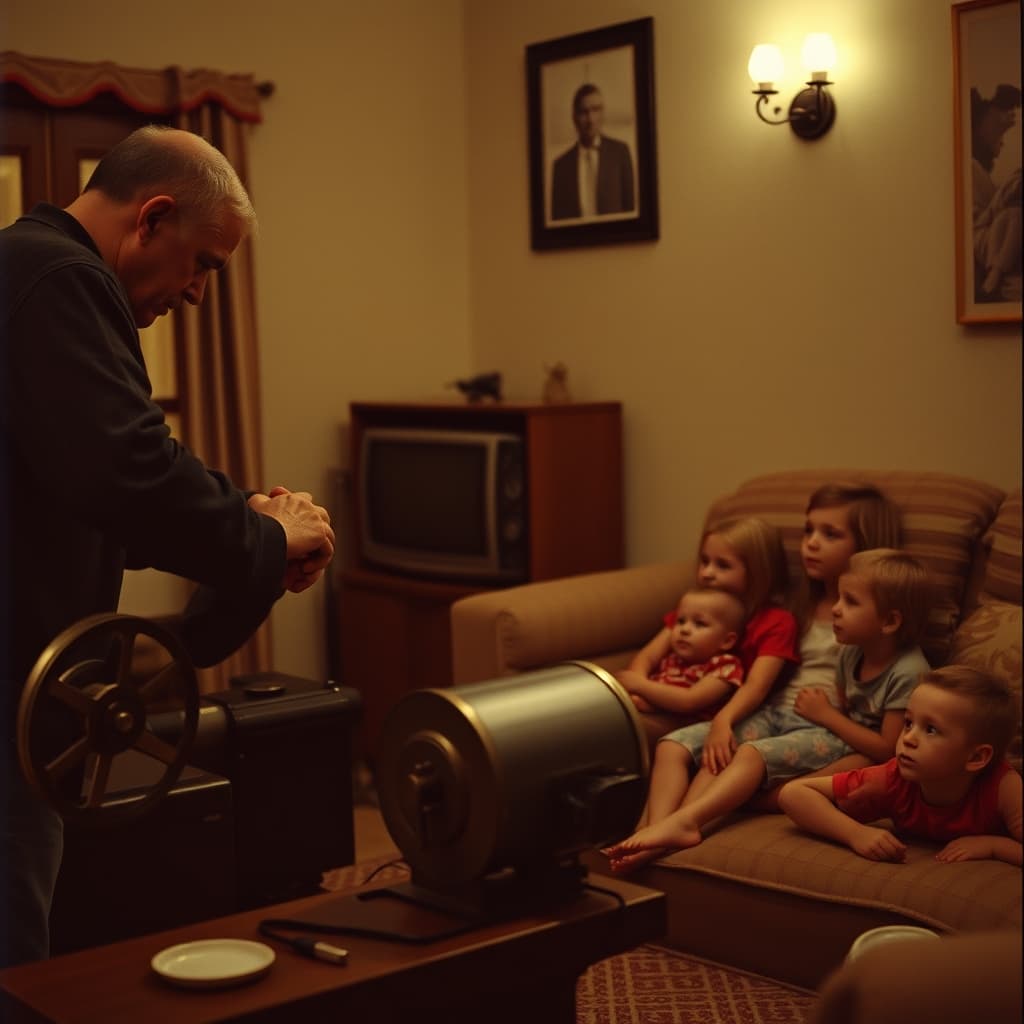
A film rewind crank could extend a family screening long after the final image disappeared. Someone turned the handle, one reel emptied into another, children watched the loops tighten, and adults discussed what had just been seen. The mechanism made analogue cinema visible as work: film had to be threaded, projected, collected, rewound, labelled, and returned to its box before another viewing.
A remembered crank may belong to a projector, separate rewinds, editing bench, camera, viewer, or film-processing device. Formats such as 8 mm, Super 8, 9.5 mm, 16 mm, and 35 mm use different perforations, reels, equipment, and safety contexts. Model numbers, gauge, reel core, perforation pattern, edge markings, photographs, manuals, and family testimony should identify the system before operation.
Rewinding Was Part of Film Handling
Manual rewinds allowed the film to move at a controlled pace while the operator inspected edges, splices, torn perforations, dirt, and uneven winding. The crank direction, reel alignment, tension, and guide placement mattered. Turning too quickly could create static, cinch marks, scratches, snapped splices, tangled loops, or a tightly packed reel that damaged the film.
Good winding produces an even pack without excessive tension. Gloves are not always appropriate for every task because reduced touch can cause mishandling; clean dry hands or conservator-recommended protection depends on the material and procedure. Film should be handled by edges and supported on suitable equipment, never dragged across a table or floor.
The Living-Room Screening Required Hidden Labour
Someone darkened the room, cleared a wall or hung a screen, arranged chairs, found extension leads, threaded the projector, focused, changed reels, managed sound, kept children away from hot equipment, rewound afterwards, and stored the collection. Tea and hospitality added another layer of work, often performed by people who missed parts of the film.
The footage might include birthdays, travel, weddings, school events, commercially purchased films, or copied material. The person holding the camera shaped who appeared and who remained behind it. Family screenings could create joy while also exposing embarrassing, private, or painful images. Consent matters when old home movies are digitised or published.
Old Film and Projectors Need Specialist Assessment
Projectors may contain degraded wiring, hot lamps, failing capacitors, brittle belts, lubricants, sharp mechanisms, and components that remain dangerous after disconnection. Unknown equipment should not be plugged in or opened casually. A qualified technician should assess electrical and mechanical safety, while a film conservator evaluates the reel before projection.
Cellulose nitrate film is highly flammable and can remain dangerous even when deteriorated; it requires specialised identification, storage, and emergency procedures. Acetate film can develop vinegar syndrome, shrinkage, and brittleness. Polyester has different characteristics. Unknown film should not be tested with flame, sniffed closely, or projected through a hot gate.
Digitisation may use a professional scanner rather than a domestic projector, especially for fragile or shrunken film. Documentation records gauge, length, edge codes, reel order, frame rate, colour, sound, splices, shrinkage, equipment, operator, date, and processing. The unedited scan should be preserved separately from stabilised, colour-corrected, or narrated versions.
A Digital Nostalgia Archive can connect the crank with projector, reels, boxes, splicing tools, screens, chairs, receipts, notes, and interviews with camera operators and viewers. The handle matters because it reveals the manual chain behind family cinema. Preserving that chain means keeping anticipation beside technical identification, careful winding, domestic labour, fire and electrical safety, privacy, copyright, and the physical film that made the evening possible.