 Eski Pano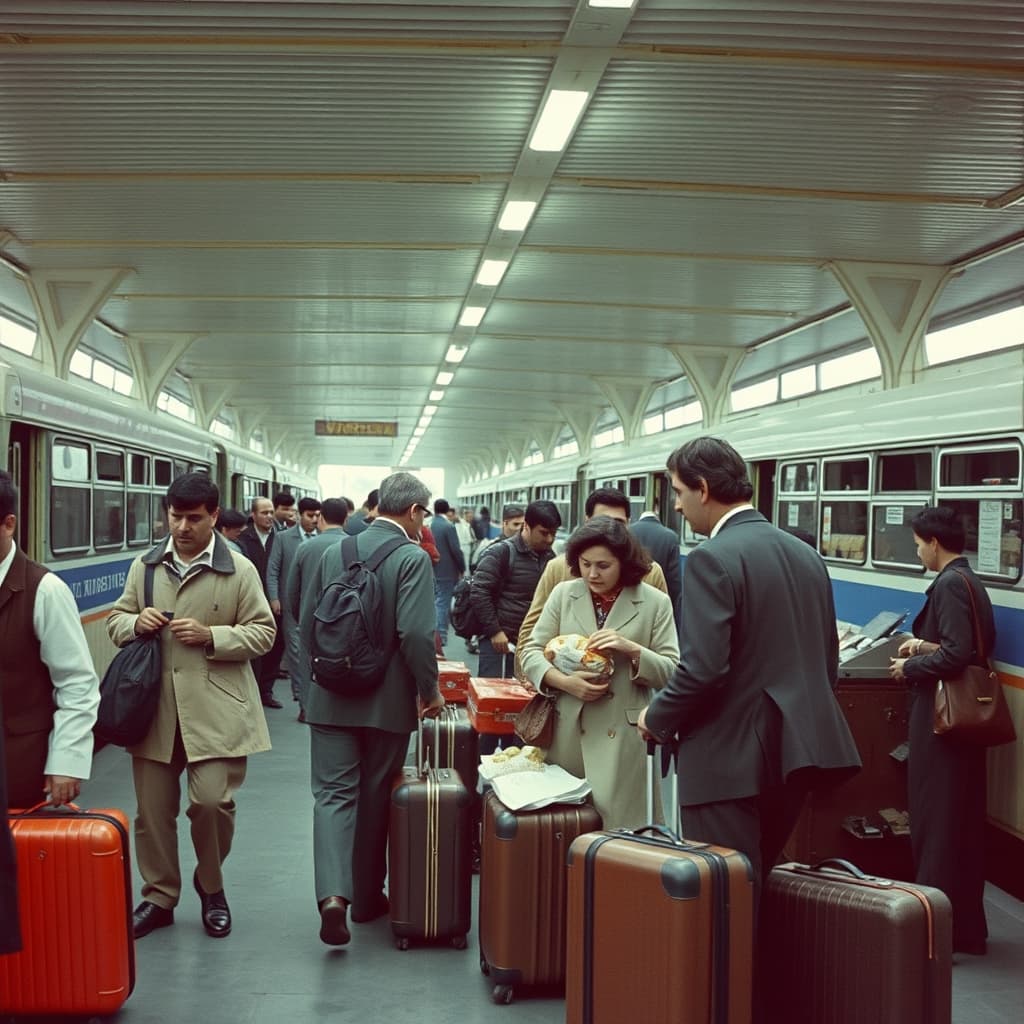
An intercity bus terminal could make the geography of migration visible in one crowded hall. Workers left for industrial cities, students carried bedding and books, families sent food parcels, and seasonal travellers returned with gifts. Farewell and homecoming shared the same platforms, which is why terminals remain brighter in memory than their concrete, exhaust, fluorescent light, and long waits might suggest.
Terminals varied by town, decade, operator, route network, regulation, and building type. A roadside agency, municipal coach station, city-edge complex, and informal departure square organised travel differently. Ticket stubs, timetables, company records, route maps, luggage labels, parcel receipts, photographs, municipal plans, and oral histories are needed before one terminal story represents an entire migration era.
Tickets Turned Distance into a Schedule
A ticket connected origin, destination, date, departure time, seat, fare, and company. Travellers planned work leave, school registration, military service, hospital appointments, and family visits around that promise. Delays from weather, roads, breakdowns, traffic, or overbooking made the schedule uncertain. Missing a departure could mean lost wages, an unsafe night, or no available seat for days.
The journey began before boarding. Someone bought the ticket, confirmed the platform, weighed or labelled luggage, wrapped food, found drinking water, guarded children, and carried parcels entrusted by relatives. Informal package delivery linked households and migrants, but it also created questions of loss, prohibited contents, liability, and privacy. Archived labels may reveal names and addresses that need protection.
The Terminal Economy Relied on Many Workers
Drivers and attendants were only part of the system. Ticket agents, dispatchers, mechanics, cleaners, porters, security staff, tea sellers, food workers, toilet attendants, luggage handlers, sign painters, and nearby taxi or minibus drivers kept the terminal functioning. Long shifts, night work, exhaust, noise, passenger conflict, and economic uncertainty shaped their experience.
Family labour could be hidden inside small agencies and kiosks. Women prepared food, managed accounts, cleaned, answered telephones, or received passengers without appearing on the company sign. Children sometimes helped with errands. A complete archive records the people who enabled movement as well as the traveller whose departure dominates the photograph.
Mobility Was Unequal and Sometimes Compelled
A bus journey required money, documents, time, physical access, and freedom to travel. Economic necessity, displacement, education, marriage, military service, health care, and political pressure could all stand behind the word gurbet. Nostalgia should not turn every departure into adventure or every return into a permanent homecoming.
Women travelling alone, children, older passengers, disabled people, minorities, migrants, and people unfamiliar with the language or city could face harassment, misinformation, inaccessible toilets, unsafe waiting areas, or discriminatory scrutiny. Clear signs, transparent fares, safe lighting, staff assistance, complaint systems, and dignified waiting spaces matter as much as efficient departures.
Modern passenger safety includes licensed operation, maintained vehicles, qualified and rested drivers, seat belts where provided, safe luggage loading, controlled platforms, emergency routes, and accurate information. Travellers should not enter vehicle manoeuvring areas for photographs or reunions. Heritage displays must separate visitors from live traffic and maintain accessible circulation.
A Digital Nostalgia Archive can connect terminals with tickets, parcel labels, agency signs, route maps, worker rosters, vehicle photographs, migration letters, recorded announcements, and testimonies from passengers and staff. The terminal recorded migration because repeated departures turned private decisions into public patterns. Preserving those patterns means keeping affection beside labour, compelled movement, unequal access, personal data, road safety, and the practical systems that made distance survivable.