 Eski Pano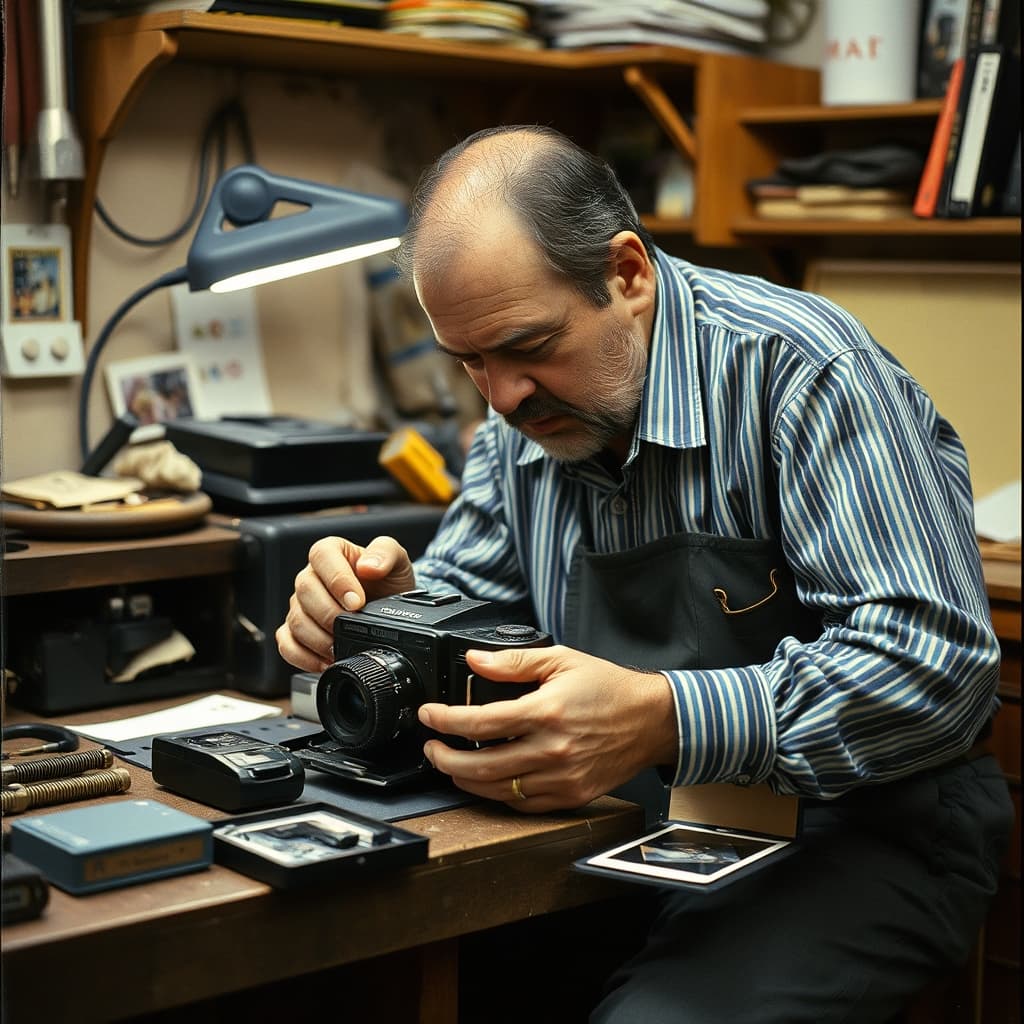
An instant camera promised a photograph without the delay of a laboratory. The shutter clicked, the sheet emerged, and an image slowly became visible in the hand. When the camera failed, that apparent simplicity dissolved. A dark frame, uneven development or a photograph that would not eject could originate in film, battery power, rollers, shutter timing, light leaks or user technique.
Repairers gave these cameras a second life by separating symptoms from causes. They asked what film pack had been used, whether the camera had been stored in heat, when it last worked and exactly what sound it made. Good diagnosis prevented unnecessary dismantling. It also protected fragile plastic housings and mechanisms for which replacement parts might be scarce.
The Film Pack Was Part of the Machine
Many instant systems placed important functions inside the film cartridge. Depending on model, the pack could include a battery that powered exposure and ejection. Old or incompatible film therefore made a working camera appear dead. Other models used separate cells. Identifying the exact camera and film system is essential; “Polaroid” describes a broad family, not one universal mechanism.
Film condition affected results. Heat, age and poor storage altered chemistry. Shielding a newly ejected image from strong light could matter with certain materials, while shaking it was never a general repair method. Contemporary film may behave differently from historical stock, so instructions should match the product rather than inherited folklore.
Clean Rollers Produced an Even Image
After exposure, rollers spread processing chemicals across the sheet. Dirt or residue could leave repeated bands, patches or incomplete development. Cleaning required appropriate guidance, gentle materials and attention to chemical residue. Scratching or misaligning the rollers created a new fault while trying to solve the first.
Folding cameras added bellows, hinges and focusing components. Tiny holes admitted unwanted light; hardened grease restricted movement. Electronic models introduced sensors, flash circuits and capacitors that could retain hazardous charge. A camera that looks harmless on a shelf may not be safe for untrained electrical work.
Repair Preserved Knowledge as Well as Hardware
Experienced technicians developed model-specific habits: listening to a motor, observing shutter leaves, checking contacts and testing with an empty cartridge prepared for diagnosis. Some parts came from donor cameras. Others were fabricated or carefully adapted. The repair bench connected mechanical, optical, chemical and electrical knowledge in one compact object.
Collectors should document condition before cleaning or repair. Serial numbers, original cases, manuals, receipts and dated photographs establish provenance. Cosmetic yellowing and scratches may record use; aggressive whitening or repainting can erase material history. A non-working camera can still be significant if its limitations are described honestly.
A Digital Nostalgia Archive can preserve repair manuals, technician interviews, demonstration videos and sample failures alongside successful photographs. Each image should be linked to camera model, film type and approximate date where known. Instant photography deserves this technical context because its magic was never effortless. The picture appeared quickly only because precision rollers, fresh chemistry, power, timing and skilled maintenance worked together. Repairers extended that collaboration, allowing a camera built around a fleeting moment to remain useful across decades.