 Eski Pano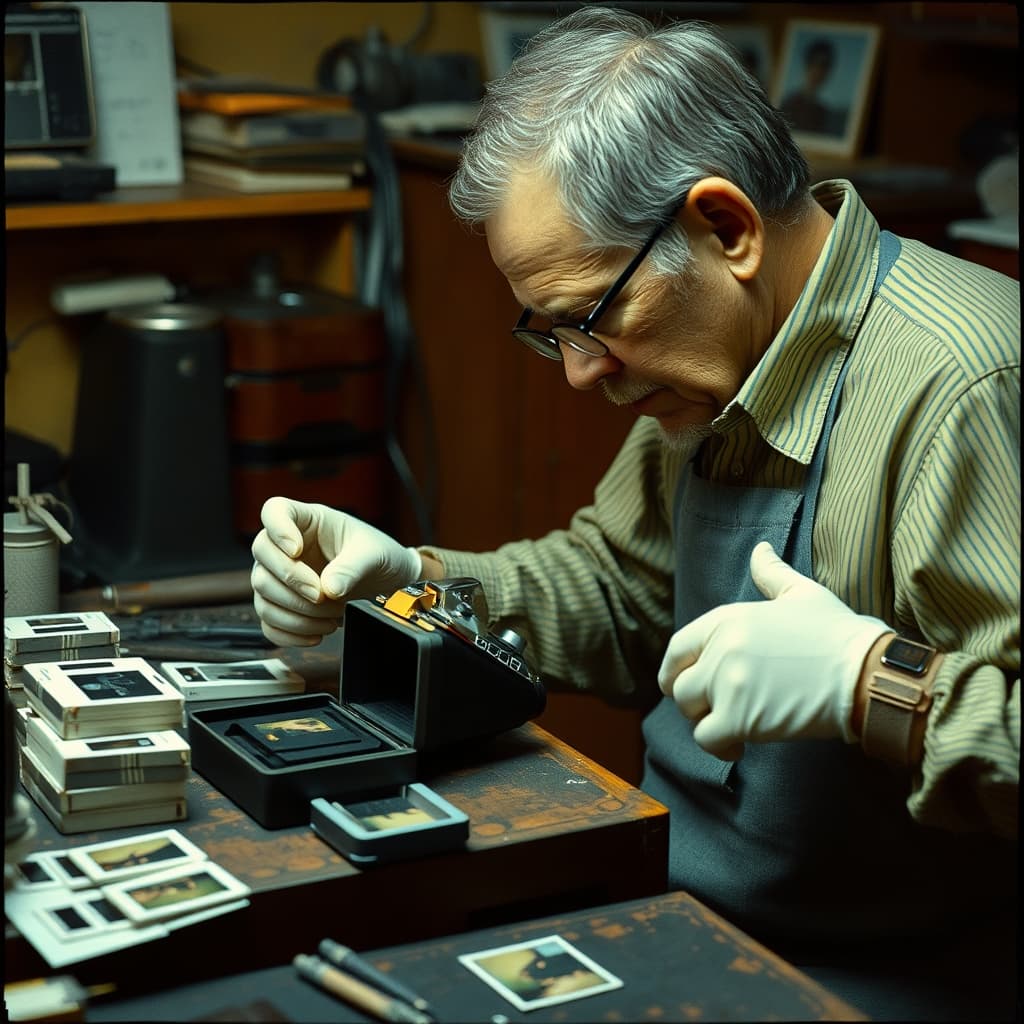
An old instant camera can look wonderfully simple: press a button and a photograph appears. Inside, however, mechanics, optics, batteries, rollers, ageing plastics, high-voltage flash parts, and chemical film packs must cooperate. A careful revival begins with identification, not with forcing the shutter or inserting whichever cartridge happens to fit the opening.
Record the maker, exact model name, serial number, lens markings, film-door labels, and every accessory before cleaning. Photograph the camera from all sides and note missing screws, cracked hinges, corrosion, powdery residue, swollen compartments, and unusual smells. Manuals and specialist repair references can then confirm the intended film family, battery arrangement, and controls without guesswork.
Film and Power Belong to One System
Some classic instant cameras receive power from a battery built into each film pack; others use separate cells in the body. Similar-looking films are not necessarily interchangeable. Dimensions, chemistry, development timing, electrical contacts, and image format differ. Never trim a cartridge, bridge contacts, puncture a pack, or improvise a higher voltage. Check current manufacturer guidance and reputable model-specific documentation.
Expired film may produce beautiful surprises, but age also makes results unpredictable. Chemical pods can dry, separate, or leak, and old batteries can corrode. Wear disposable gloves when handling a damaged pack, keep it away from children and food, avoid contact with eyes and skin, and follow local hazardous-waste advice. Do not open failed photographs to investigate the reagent inside.
Clean the Path Before Testing
Begin with a soft brush and dry microfibre cloth on accessible exterior surfaces. Do not flood leather, bellows, lenses, switches, or seams with solvent. Film rollers need particular attention because dried reagent or grit can create repeating marks and pressure failures. Turn only parts designed to move freely, support brittle doors, and stop if resistance suggests a hidden latch or hardened mechanism.
Inspect folding bellows in a dim room with a cool, low-output light rather than strong heat. Pinholes admit light and can ruin every frame. Lens haze, fungus, separated optical cement, sticky shutters, weak springs, and damaged mirrors require different remedies. A cosmetic polish cannot solve them, and aggressive household cleaners may remove coatings or drive dirt deeper into the camera.
Respect the Flash Circuit
Electronic flashes can retain a dangerous electrical charge even after batteries or film have been removed. A camera that clicks, whines, becomes warm, smells burnt, or shows exposed wiring should remain unpowered until examined by a qualified repairer. Do not probe the circuit, short a capacitor, or follow an unverified social-media shortcut. Mechanical curiosity is not electrical protection.
When inspection indicates that a test is reasonable, use one known-compatible, fresh power source or film pack. Work through the manual in order: door, dark-slide ejection, shutter, flash-ready indicator, focus, rollers, and print exit. Never sacrifice several expensive packs to the same unknown fault. Write down each symptom so a repairer receives evidence rather than a vague report that it does not work.
Keep unsuccessful prints, test notes, removed original parts, packaging, receipts, and repair invoices with the camera. They document its second life and prevent the same diagnosis being repeated. Replacement parts should be labelled as replacements, while original pieces remain associated with the object. This distinction matters to collectors, family archives, and future technicians.
Instant photographs also carry privacy and copyright questions. Ask permission before digitising or publishing identifiable people, addresses, medical situations, or intimate family scenes. A Digital Nostalgia Archive preserves more than a machine: it connects the camera with repair knowledge, safe materials handling, the maker of each photograph, and the consent of those pictured. A successful revival is measured not only by a developing image, but by patient, documented, and responsible care.